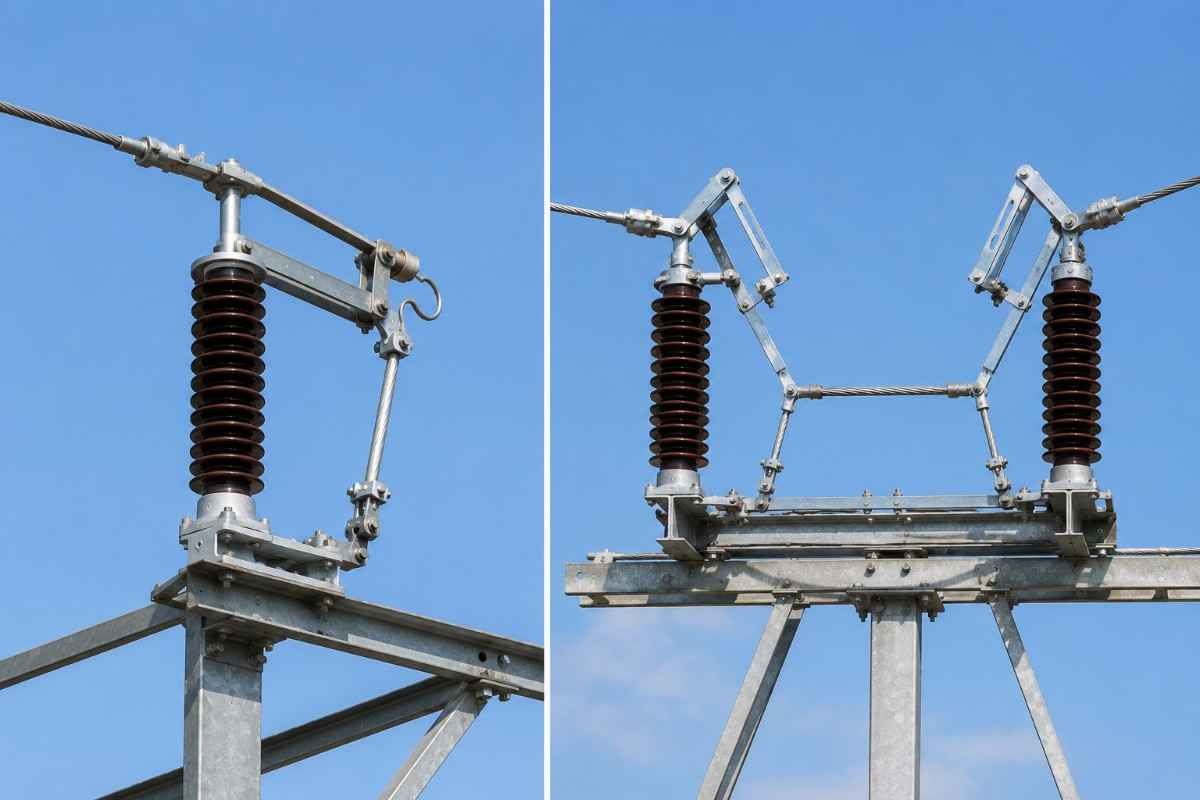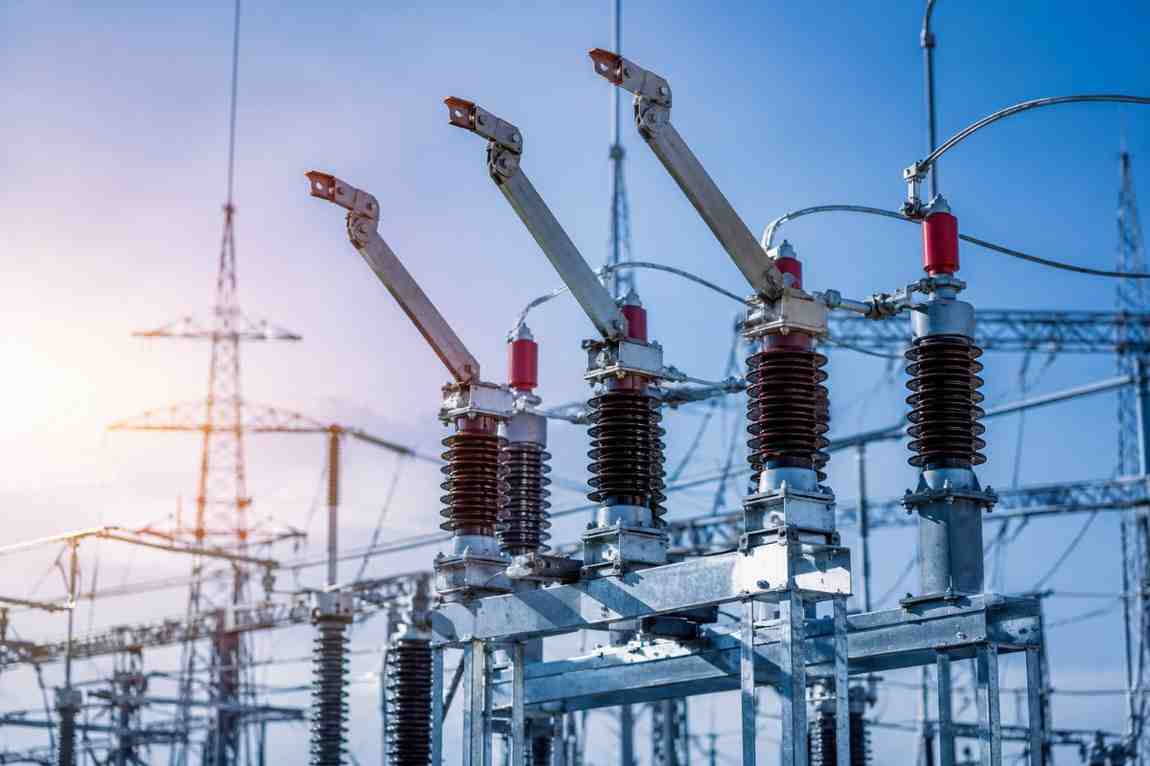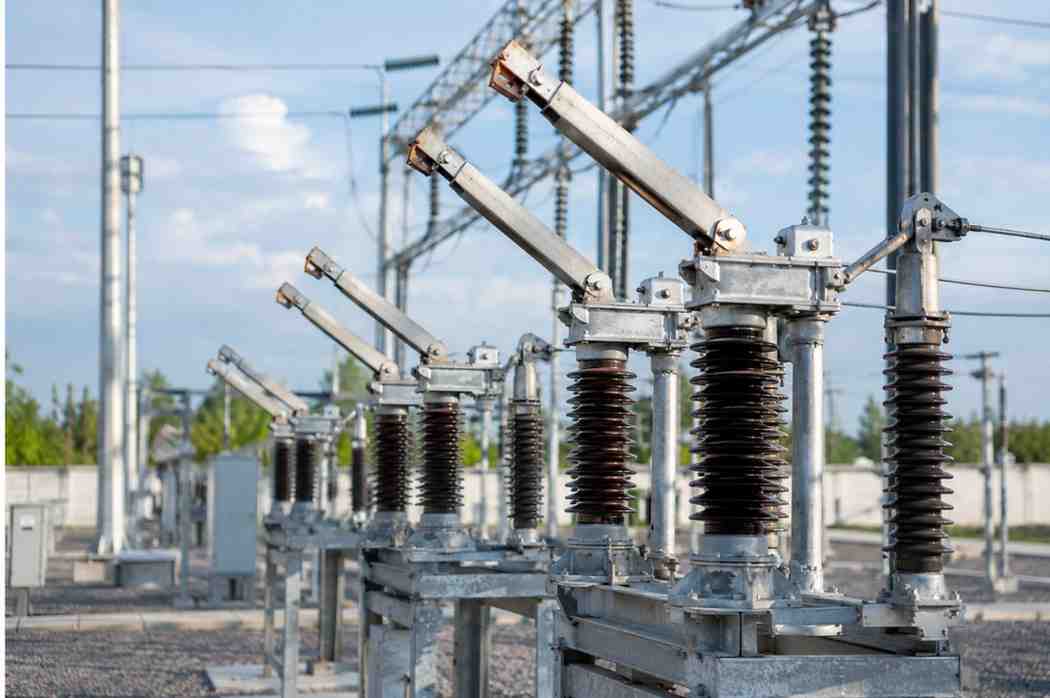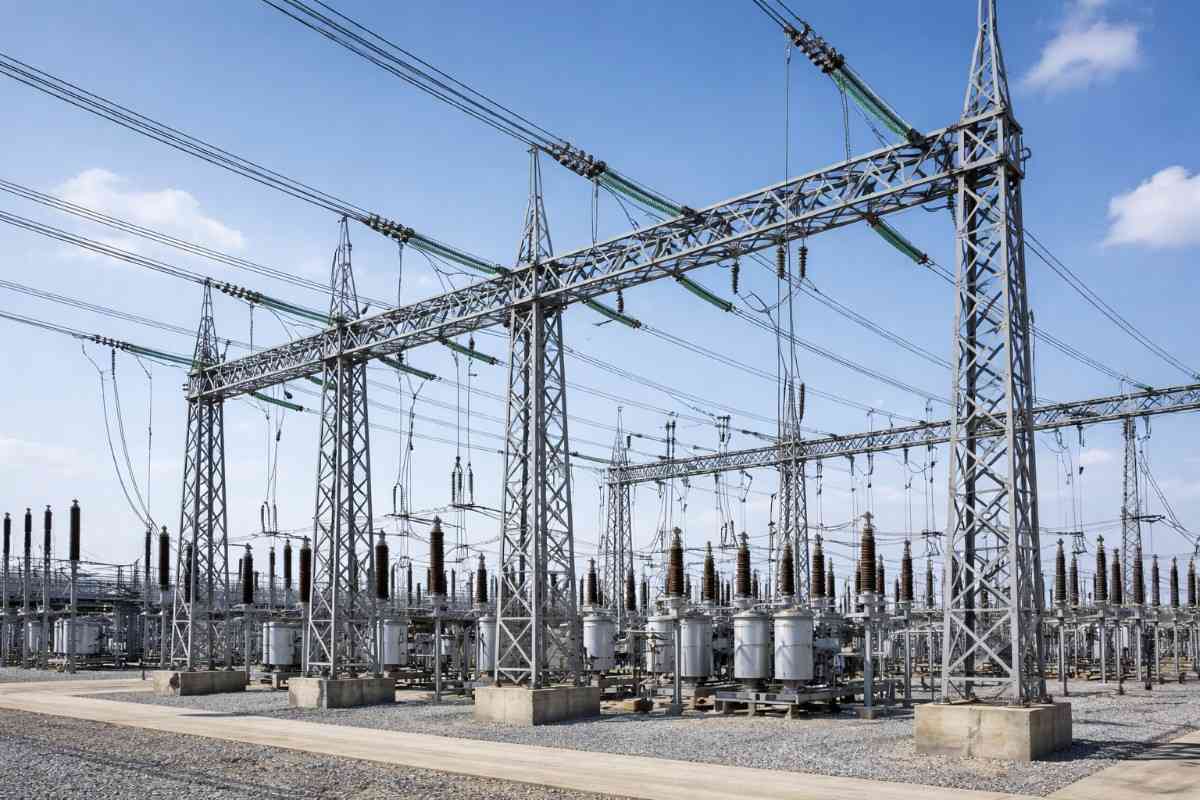
If you have ever stood inside a high-voltage substation and looked up, you have seen it. That tall, rigid steel framework holding up bus bars, insulators, and conductors like the skeleton of the entire facility. That is your substation gantry structure. And yet, despite being one of the most critical structural components in any substation, it is often the most under-researched purchase on the bill of materials.
Procurement managers ask for the cheapest quote. Site engineers assume all gantries are the same. EPC contractors pick familiar vendors without checking compliance. And then six months into operation, you are dealing with corrosion, sagging conductors, failed welds, or worse, a structural collapse during a storm.
This guide exists to make sure that does not happen to your project.
Whether you are buying for a 33kV distribution substation, a 132kV grid station, or a large industrial switchyard, these seven things will save you time, money, and a lot of headaches on site.
First, What Exactly Is a Substation Gantry Structure?
Before getting into the buying tips, it helps to be clear on what we are talking about.
A substation gantry structure is a fabricated steel framework installed in outdoor substations to support overhead conductors, bus bars, strain insulators, lightning arresters, and other high-voltage equipment. It acts as the primary load-bearing structure that keeps your entire overhead system in place.
You will typically find two main configurations on site. A portal gantry is a two-column frame connected by a horizontal beam at the top, commonly used at the entry and exit points of substations for incoming and outgoing lines. A multi-bay gantry spans across multiple bays in larger switchyards and supports complex bus bar arrangements.
Both types are engineered to handle electrical loads, mechanical tension from conductors, wind pressure, seismic forces, and the weight of equipment mounted on them.
Now, here is what you need to know before you buy one.
1. Material Grade Is Not Just a Spec on Paper
The most common mistake buyers make is treating steel grade as a formality. It is not.
Substation gantry structures in India are typically fabricated from IS 2062 grade structural steel. The difference between E250 and E350 grades is not just tensile strength on paper. It directly affects how the structure performs under wind loads, short circuit electromagnetic forces, and long-term fatigue.
For substations in high-wind zones like coastal Andhra Pradesh, Gujarat, or cyclone-prone Odisha, E350 grade is worth specifying even if your initial cost goes up slightly. The structure will outlast cheaper alternatives by years.
Always ask your supplier for mill test certificates. If they cannot provide traceability on the steel used, that is a red flag worth taking seriously.
2. Hot-Dip Galvanizing Is the Only Finish Worth Specifying Outdoors
Paint corrodes. Primer peels. But a properly done hot-dip galvanized coating on a substation gantry structure gives you 25 to 40 years of corrosion protection in most Indian environments.
The process involves immersing the fabricated steel in molten zinc at around 450 degrees Celsius. The zinc metallurgically bonds with the steel surface, creating a coating that protects from the inside out, not just on the surface.
For coastal sites, high-humidity regions, or industrial areas with chemical exposure, ask for a minimum zinc coating thickness of 85 microns as per IS 4759. Some project specifications in marine zones demand 100 microns or higher.
One thing to watch out for: some suppliers send structures with zinc-rich paint instead of actual hot-dip galvanizing and present it as equivalent. It is not. Ask specifically for hot-dip galvanizing and ask to see the process confirmation.
3. Wind Zone and Seismic Zone Classification Will Define Your Design
India is not a uniform country when it comes to natural forces. A substation gantry structure designed for Wind Zone II in central India will be dangerously underspecified if installed in Wind Zone V along the eastern coastline.
IS 875 Part 3 governs wind load design for structures in India. Your supplier should be designing or verifying the gantry against the wind zone applicable to your project site. The same applies to seismic zones under IS 1893.
This is not just a compliance checkbox. Wind and seismic loads directly influence column sizing, base plate design, anchor bolt specifications, and cross-bracing requirements. Getting this wrong means your structure may look fine on day one but fail under the first major storm.
Before signing a purchase order, ask your supplier if the design has been checked against the wind and seismic classification of your project location. A competent supplier will have this documented.
4. The Foundation Interface Is Often Overlooked Until It Is Too Late
Here is something that rarely gets discussed in gantry procurement conversations: the structure itself is only as good as its interface with the foundation.
Base plate dimensions, anchor bolt pattern, bolt diameter, and grade all need to be coordinated between the structural engineer designing the foundation and the supplier fabricating the gantry. If this coordination does not happen early, you end up on site with anchor bolts that do not match the base plate holes, or worse, an undersized base plate on an oversized foundation.
Ask your supplier for a foundation interface drawing before fabrication begins. It should show base plate dimensions, anchor bolt layout, bolt grade, and recommended embedment depth. Share this with your civil contractor before any concrete is poured.
This one step prevents a surprisingly common and expensive site problem.
5. Conductor Tension Loads Are What Actually Stress the Structure
Most buyers focus on the dead weight of the structure itself. What actually governs the design in most cases is the horizontal tension from conductors and bus bars strung between gantries.
In a 220kV or 400kV substation, the tension in ACSR conductors or tubular bus bars can be significant. This tension creates a horizontal pull on the gantry top, which in turn creates bending moments in the columns and uplift forces on one side of the base.
Your supplier needs the following information from you or your design consultant before finalizing the structure:
- Conductor type and size
- Span between gantries
- Number of conductor runs and their vertical spacing
- Maximum stringing tension under everyday and maximum load conditions
Without this data, any gantry design handed to you is essentially a guess. Good suppliers will ask for it. If yours does not, ask them why.
6. Fabrication Quality and Weld Inspection Matter More Than You Think
Two gantry structures can look identical on paper and be completely different in quality. The difference is in fabrication.
Key things to check or ask about:
Weld quality should meet IS 816 standards for structural welding. Critical joints like column to base plate and rafter to column connections should be full penetration welds, not partial fillet welds.
Bolt holes should be drilled, not gas-cut. Gas-cut holes introduce micro-cracks and compromise the bolt connection over time.
All cut edges should be ground smooth before galvanizing. Sharp edges cause poor zinc adhesion and become early corrosion points.
If your procurement value justifies it, ask for a third-party inspection at the fabrication stage. For large EPC projects, this is standard practice. For smaller buyers, at minimum ask for a factory inspection visit before dispatch.
7. Delivery, Dispatch, and Site Handling Planning Is Part of the Purchase
A substation gantry structure is a large, heavy fabricated item. Columns can be 8 to 12 metres long. Rafters can span 6 to 10 metres. Improper handling during transport or site storage will damage galvanizing, distort members, and create installation problems.
Ask your supplier about:
- How members are bundled and protected for dispatch
- Whether they provide an erection drawing and bolt tightening torque chart
- Lead time from order to dispatch, including galvanizing time
- Whether they have supplied similar structures to projects in your region before
The last point matters because a supplier with local project experience will understand the specific requirements of state DISCOMs or central utilities operating in your area, including documentation, inspection, and dispatch procedures.
Why Engineering Teams and EPC Contractors Trust SPKN India
SPKN India has been manufacturing and supplying structural equipment for power transmission and distribution projects across India for years. Our substation gantry structures are fabricated from IS 2062 certified steel, hot-dip galvanized as per IS 4759, and designed in compliance with IS 802 and relevant wind and seismic zone classifications.
We work closely with EPC contractors, state DISCOMs, and industrial buyers to ensure that every structure we supply is backed by proper documentation including mill test certificates, galvanizing inspection reports, and fabrication drawings.
Our in-house fabrication facility allows us to maintain quality control at every stage, from raw material procurement to final dispatch. We have supplied gantry structures for substations ranging from 11kV to 400kV across multiple states in India, including projects in high-wind coastal zones and heavy-pollution industrial corridors.
When you work with SPKN India, you are not just buying steel. You are buying a structure that has been thought through from design to delivery.
You can also read about our range of substation structures, earthing materials, and overhead line hardware to complete your substation procurement from a single trusted source.
Conclusion
A substation gantry structure is not a commodity purchase. It is a long-life structural asset that your substation depends on every single day. Getting the material grade right, specifying proper galvanizing, accounting for wind and seismic loads, coordinating the foundation interface, providing accurate conductor tension data, verifying fabrication quality, and planning for site handling are not optional steps. They are the difference between a structure that serves you for 30 years and one that creates problems within the first monsoon season.
If you are in the process of specifying or procuring a substation gantry structure for your next project, SPKN India is ready to support you with technical guidance, competitive pricing, and reliable delivery.
Reach out to our team today and let us help you get it right from the start.
Frequently Asked Questions
What is the standard design life of a substation gantry structure in India?
A properly fabricated and hot-dip galvanized substation gantry structure designed as per IS 802 typically has a design life of 25 to 40 years depending on the site environment and maintenance practices.
Which IS standards apply to substation gantry structures?
The primary standards include IS 802 for use of structural steel in overhead transmission line towers and structures, IS 2062 for structural steel material, IS 4759 for hot-dip zinc coatings, and IS 875 Part 3 for wind load design.
What is the difference between a portal gantry and a multi-bay gantry?
A portal gantry is a simple two-column frame used at incoming and outgoing line termination points. A multi-bay gantry spans multiple equipment bays in a switchyard and supports a more complex arrangement of bus bars and conductors.
Can the same gantry design be used across different wind zones?
No. A gantry designed for one wind zone cannot be assumed safe in a higher wind zone. Each structure must be designed or verified against the wind classification of the specific project site as per IS 875 Part 3.
How do I verify the galvanizing quality of a substation gantry structure?
Ask for a galvanizing inspection report showing average and minimum zinc coating thickness measured at multiple points as per IS 4759. For critical projects, a third-party inspection at the galvanizing plant is the most reliable verification.
What information should I give my supplier before ordering?
At minimum, provide the substation voltage level, number of conductor runs and their configuration, conductor type and size, stringing tension data, site wind zone and seismic zone, and any DISCOM or utility-specific requirements.
Does SPKN India provide erection drawings along with the structure?
Yes. SPKN India provides fabrication drawings, foundation interface drawings, and erection guidance as part of the supply package to ensure smooth installation on site.