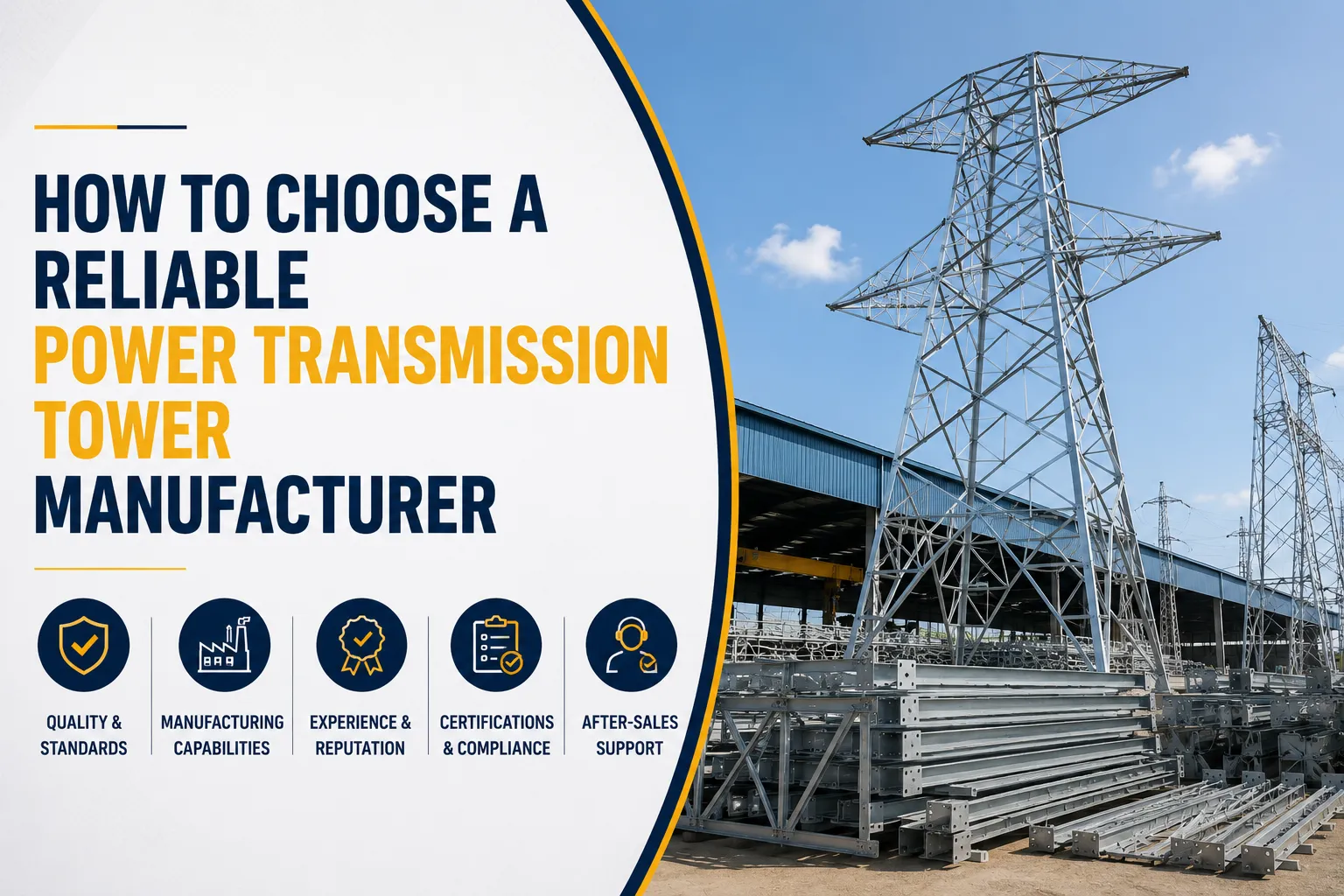
India's power sector is buzzing with innovation, and at the heart of it lies the mighty 765kV transmission line in India. Imagine a network of superhighways for electricity, zipping massive amounts of power across states without a single traffic jam. That's what these high-voltage lines do, revolutionizing power transmission and distribution. Managed by key players like Spkn India, these corridors are key to keeping lights on from bustling cities to remote villages.
What Makes 765kV Transmission Lines Special?
765kV transmission line in India stands out for its ultra-high voltage, allowing it to carry enormous power loads over long distances with minimal losses. Unlike lower-voltage lines that lose energy as heat, these beasts operate at 765 kilovolts, slashing transmission losses by up to 30% compared to 400kV lines.
This efficiency means more electricity reaches homes and factories, cutting costs and boosting reliability. Picture this: one such line can transfer over 4,000 MW—enough to power millions of households. Spkn India, a vital contributor in this space, helps engineer these systems, ensuring seamless integration into the national grid.
Engineers design these lines with double-circuit towers, meaning two sets of conductors per tower, doubling capacity without doubling the footprint. It's like having two lanes on a single highway bridge—smart, space-saving, and future-proof.
The Growth Story of 765kV Networks
India's transmission network has exploded, crossing 500,000 circuit kilometers by early 2026, with 765kV transmission line in India playing a starring role. From just 10.6% of the high-voltage network in 2020, 765kV lines now claim 11.5%, growing at a brisk 4.9% annually.
Power Grid Corporation of India (PGCIL), often partnering with entities like Spkn India, has commissioned landmark projects. Take the Vindhyachal-Varanasi line: a 190-km beast crossing the Ganga and three other rivers, boosting inter-regional transfer by 4,200 MW. Similarly, the recent Khetri-Narela line tackled tough Rajasthan terrain to evacuate solar power northward.
These aren't just wires; they're lifelines connecting northern, western, eastern, and southern grids into "One Nation, One Grid." By 2021, the Raichur-Sholapur link synced the southern grid, creating one of the world's largest synchronous systems at 232 GW.
Key 765kV Transmission Line Corridors
Diving into specifics, 765 kV transmission line corridor in India spans critical routes. The Angul-Srikakulam project, awarded in late 2025, stretches 275 km between Odisha and Andhra Pradesh, strengthening east-south links with reactors for stability.
-
Vindhyachal-Varanasi Corridor: 190 km, NR-WR connector, crosses four rivers, adds 4,200 MW capacity.
-
Raichur-Sholapur: Southern grid sync, relieves shortages in Tamil Nadu, Karnataka.
-
Khetri-Narela: Rajasthan solar evacuation to Delhi, double-circuit over challenging terrain.
-
Dharamjaygarh-Jabalpur: Part of renewable pooling, vital for central India.
Spkn India shines in projects like these, supplying EPC services for substations at Indore and Kurnool, contributing 23% to India's 1.25 million MVA transformation capacity. These corridors aren't static; they're expanding to handle 500 GW non-fossil targets by 2030.
Challenges in Building These Mega Lines
Building a 765 kV transmission line corridor isn't a walk in the park. Terrain is brutal—rivers, forests, hills—and right-of-way issues delay projects. The Vindhyachal line's 92 km in Madhya Pradesh faced similar hurdles but delivered on time.
Environmental clearances, land acquisition, and community relocation add layers. Yet, innovations like compact towers and real-time monitoring keep things moving. Costs? A single corridor like Angul-Srikakulam runs into billions, but TBCB models spread the load via private bids.
Power transmission and distribution pros like Spkn India tackle this with GIS tech and advanced insulators, minimizing outages. Human stories emerge too: locals gain jobs, and reliable power sparks small businesses in bypassed areas.
Tech Behind Efficient Power Flow
Why 765kV? Higher voltage means lower current, reducing I²R losses. A 765kV line carries 6,000-8,000 MW per circuit—triple a 400kV's capacity. Substations step it down to 400kV or 220kV for distribution.
Key features include:
-
Switchable line reactors (240 MVAr) for stability.
-
Bus reactors (330 MVAr) at pooling stations.
-
Advanced conductors like ACCC for higher ampacity.
Spkn India excels in commissioning these, ensuring 99.9% uptime. Renewables integration is huge—solar from Rajasthan flows via Khetri-Narela without curtailment.
Impact on Power Transmission and Distribution
Power transmission and distribution in India transformed with 765kV transmission line in India. Inter-regional capacity hit 110,750 MW post-Vindhyachal, enabling surplus sharing. Southern states, once power-starved, now import reliably.
Role of Spkn India in the Ecosystem
Shoutout to Spkn India, a powerhouse in EPC for high-voltage projects. They've secured PGCIL contracts for 765kV systems, delivering turnkey substations that anchor corridors. Their work at Indore and Kurnool exemplifies precision engineering.
From design to testing, Spkn India ensures compliance with CEA standards, blending tech with on-ground execution. They're not just builders; they're enablers of India's energy security.
Future of 765kV Corridors
Looking ahead, more 765 kV transmission line corridor projects are queued. Green energy corridors for 500 GW renewables demand them—think Rajasthan wind, Gujarat solar to load centers.
By 2030, expect 765kV to dominate ultra-high voltage, with HVDC hybrids for even longer hauls. Challenges like RoW will ease via drone surveys and community pacts. Power transmission and distribution will lean on AI for predictive maintenance.
India's grid is syncing into a behemoth, and 765kV transmission line in India is the spine. With partners like Spkn India, blackouts are history.
Why This Matters to You
Ever wondered why your AC hums steadily during peak summer? Thank these invisible heroes. Whether you're in Delhi facing heatwaves or a Mumbai factory owner, reliable power fuels dreams. Spkn India and kin are scripting this story—one volt at a time.