When building or upgrading India's massive power grids, finding reliable Polymer Insulator Manufacturers in India becomes essential, particularly for high-voltage applications that face extreme weather, pollution, and heavy loads. These modern insulators, crafted from advanced silicone rubber or composite materials, offer superior performance over older porcelain types by staying lightweight, flexible, and resistant to cracks or flashovers. If you're an electrical engineer, contractor, or utility manager searching for dependable suppliers, this guide dives into the top players while highlighting why SPKN India stands out as a go-to choice for quality and real-world reliability.
Understanding Polymer Insulators for High Voltage Needs
Polymer insulators excel in high-voltage environments like transmission lines from 11kV up to 220kV and beyond because they naturally repel water and dirt, preventing electrical breakdowns during monsoons or dusty industrial seasons. Their flexibility absorbs shocks from wind or earthquakes without shattering, unlike rigid traditional materials, making them perfect for India's diverse terrains from Himalayan foothills to coastal zones.
What really sets them apart is their ability to handle pollution-heavy areas think thermal power plants or urban smog—where the silicone surface sheds contaminants instead of letting them build up and cause failures. SPKN India specializes in these, producing insulators that meet international standards for tensile strength and longevity, ensuring your grid stays up and running with minimal downtime.
Imagine stringing up a line in Rajasthan's arid heat: a polymer insulator from a top manufacturer like SPKN keeps its hydrophobic properties year after year, saving you from constant cleaning crews and unexpected outages.
Leading Polymer Insulator Manufacturers in India
India's push toward renewable energy and grid modernization has sparked a boom in polymer insulator manufacturers in India, each bringing unique strengths to high-voltage projects. SPKN India, based in Faridabad near Delhi, leads with their comprehensive range of composite insulators for everything from distribution poles to extra-high-voltage towers, backed by years of experience in power transmission gear.
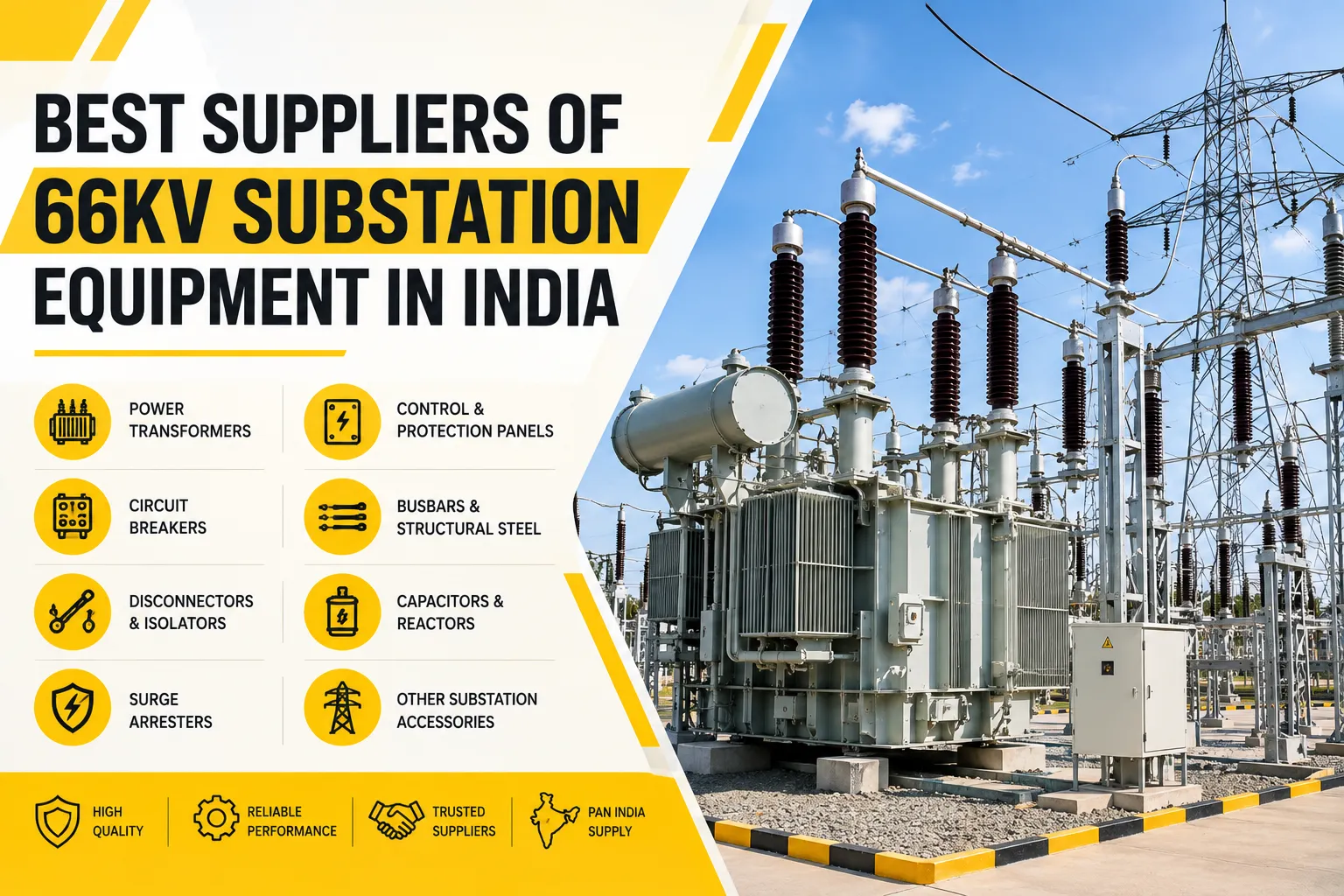
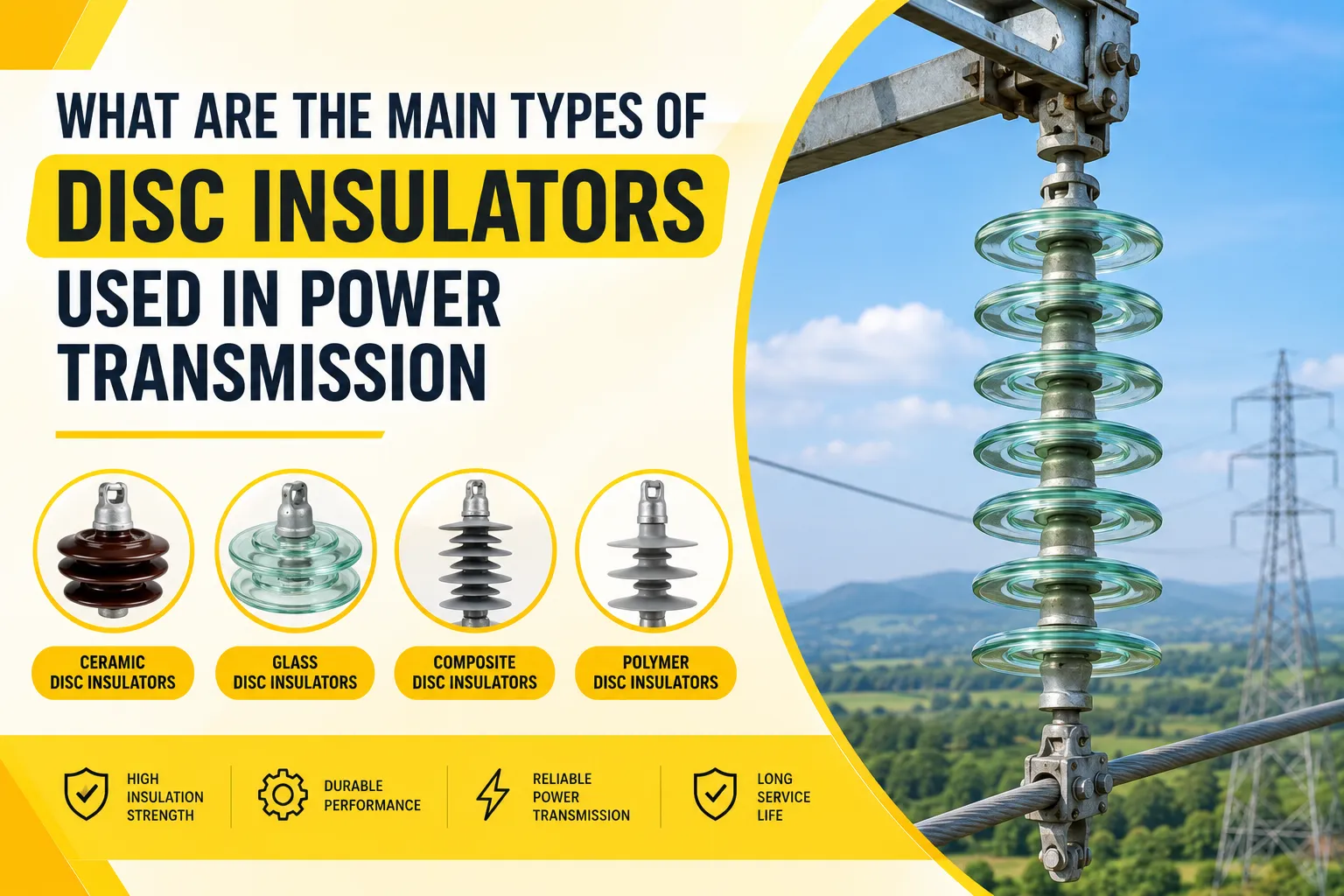
Other notable names include Rashtriya Electrical from Loni, known for robust post insulators suited to mid-voltage lines, and Shivam Insulator in Khurja, which crafts reliable disc types for everyday transmission needs. Then there's Navitas in Bangalore, focusing on extra-durable silicone designs for polluted regions, and Atlas Engineering in Gujarat, serving industrial hubs with tailored high-voltage solutions.
SPKN India edges ahead with their full-service approach they don't just make insulators; they integrate them into complete line hardware like clamps and switches, making projects smoother from design to installation.
Spotlight on SPKN India’s Expertise
Ever dealt with a line failure during peak summer demand? SPKN India's polymer insulators are built to prevent that nightmare. Operating since the late 2000s from their Faridabad facility, they've honed a reputation for crafting high-voltage insulators that withstand India's harsh conditions, from salty sea air to desert sandstorms.
Their products feature premium silicone housings that resist UV damage and corona discharge, paired with high-strength metal end fittings for secure mounting on towers or substations. What customers love is SPKN's flexibility they customize creepage distances for coastal installs or boost mechanical ratings for long river spans, all while adhering to ISO quality benchmarks.
As a key player among polymer insulator manufacturers in India, SPKN combines innovation with practical know-how, drawing from real projects across power utilities and infrastructure developments. Their website makes it easy to enquire and get expert advice tailored to your setup.
Real-World Applications in High-Voltage Setups
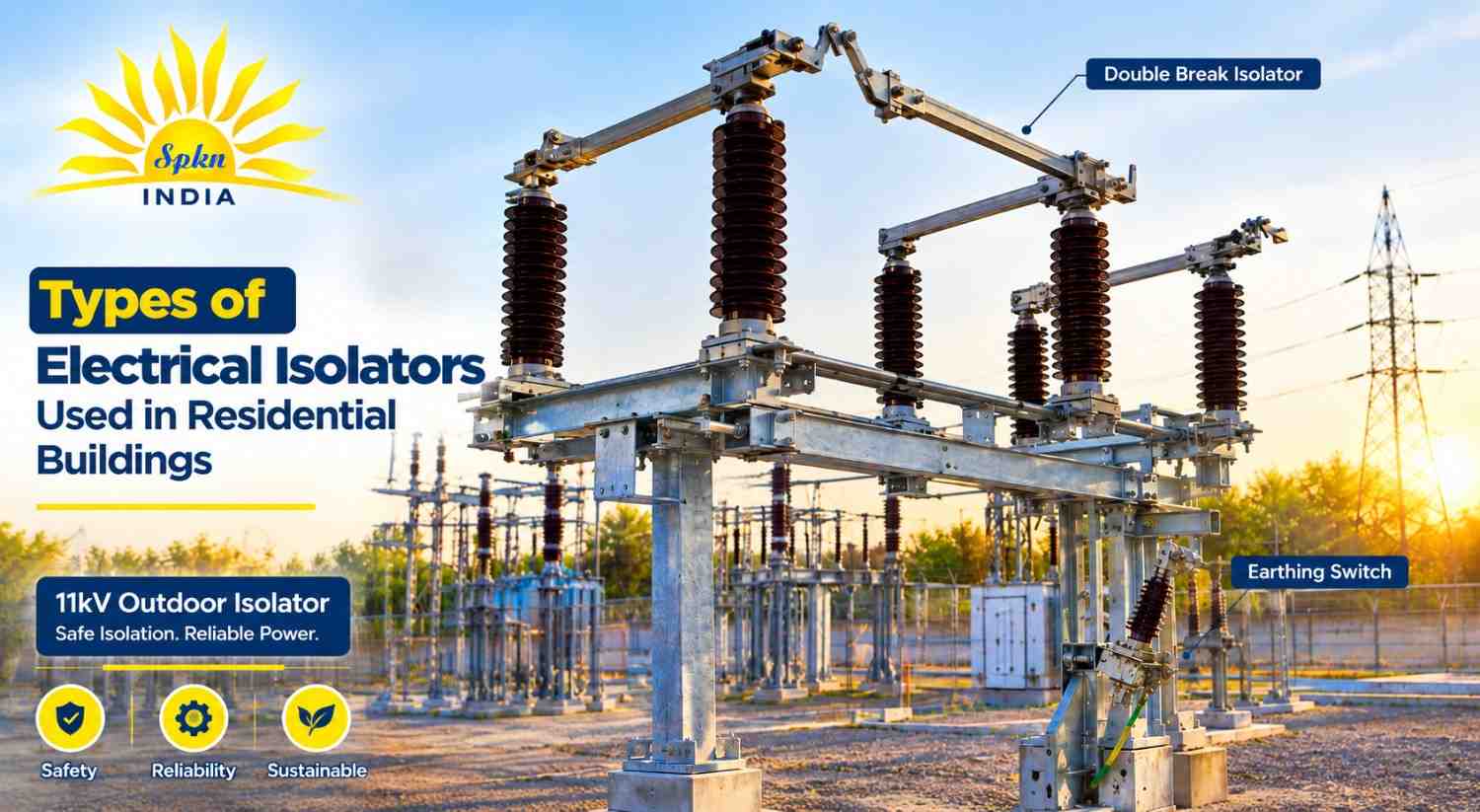
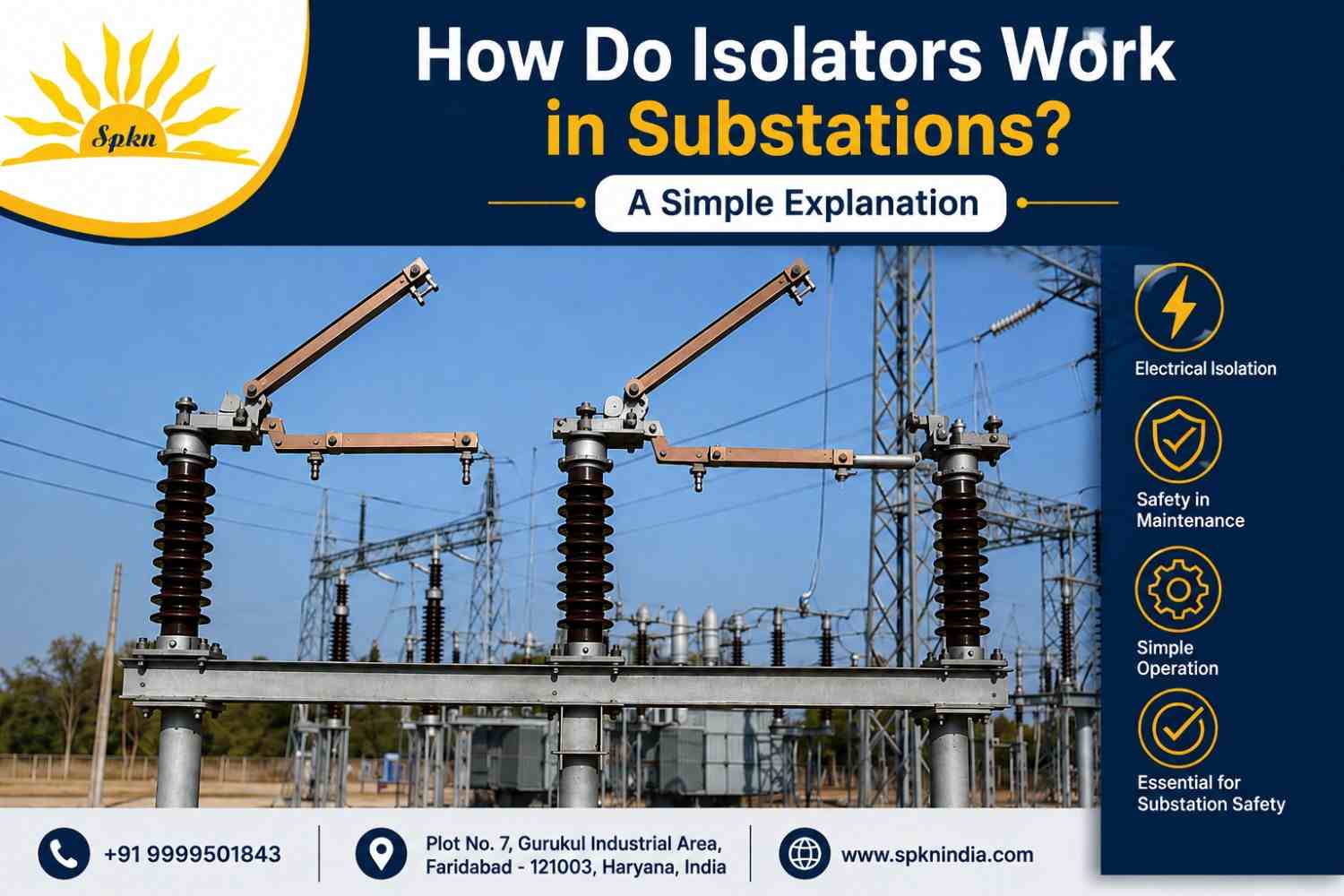
In overhead transmission lines spanning vast distances, polymer insulators form the backbone, suspending conductors safely while handling swings from gale-force winds. Substations rely on sturdy post versions to support busbars, and distribution networks use pin types on urban poles where space is tight.
For extra-high-voltage corridors like those feeding mega-cities, long rod polymers deliver the dielectric strength needed to avoid flashovers, even under heavy fog or pollution. SPKN India's designs shine here, powering solar farms in Gujarat or wind corridors in Tamil Nadu without skipping a beat.
Take a typical scenario: A state electricity board upgrades a 132kV line through industrial belts. SPKN's polymers cut maintenance headaches by naturally repelling soot and moisture, keeping the power flowing reliably.
Key Advantages Over Conventional Insulators
Switching to polymers means saying goodbye to the weight and brittleness of porcelain or glass. These modern insulators are dramatically lighter, speeding up installation and reducing strain on support structures, which is a game-changer for remote tower builds.
Their self-cleaning nature keeps performance consistent no more scheduling washes after every dust storm. Plus, the silicone material can heal tiny surface scratches from environmental wear, extending service life well beyond traditional options.
Safety gets a boost too: Less risk of explosive shattering during faults, making them ideal for populated areas. SPKN India enhances this with corona-free designs and color options for quick field identification, ensuring crews work confidently.
Tips for Choosing the Perfect Polymer Insulator
Narrow your search by matching the insulator to your voltage class lower for distribution, higher for transmission backbone. Consider site-specific factors like pollution levels or seismic activity; opt for extended creepage or flexible fittings accordingly.
Always verify certifications for standards like IEC compliance, and ask for test reports on arc resistance and mechanical pulls. Reputable polymer insulator manufacturers in India like SPKN provide this transparently, often with options for prototypes.
Location matters for logistics SPKN's Haryana base means fast shipping to northern grids, minimizing project delays. Engage early: Share your specs, and let their engineers suggest optimizations for peak efficiency.
Best Practices for Installation and Upkeep
Start installation right by cleaning components thoroughly and torquing fittings precisely to avoid uneven stress. For suspension setups, ensure equal spacing in strings to distribute loads evenly across phases.
Ongoing care is minimal polymers rarely need intervention beyond annual visual scans for damage. SPKN incorporates rugged builds that thrive with basic checks, freeing up your team for other priorities.
Avoid common errors like exposing new insulators to contaminants pre-install or mismatching types in a string. Follow manufacturer guidelines, and you'll enjoy decades of trouble-free operation in high-voltage duty.
Emerging Trends Shaping Polymer Insulators
Looking ahead, smart polymers embedded with sensors for real-time monitoring are on the rise, helping predict failures before they happen. Hybrid materials blending carbon nanotubes promise even greater strength for ultra-high-voltage lines planned across India.
Sustainability is key too, with eco-friendly silicone formulas reducing environmental impact. SPKN India stays at the forefront, aligning their offerings with national goals for greener, more resilient power infrastructure.
As India ramps up to 500GW renewables, demand for advanced polymer insulator manufacturers in India will surge positioning innovators like SPKN for leadership.
Why SPKN India Should Be Your First Call
In a crowded field, SPKN India combines proven high-voltage polymer expertise with customer-centric service, making them a top pick for projects big and small. Their Faridabad roots give them an edge in serving Delhi-NCR and beyond, with quick response times and customized solutions that fit your exact needs.
Head to spknindia.com to explore their range or drop an enquiry whether it's 33kV discs for rural lines or 220kV longs for EHV, they've got the reliability to keep your operations powered up. Choose SPKN, and invest in insulators that perform as hard as India's grid demands.