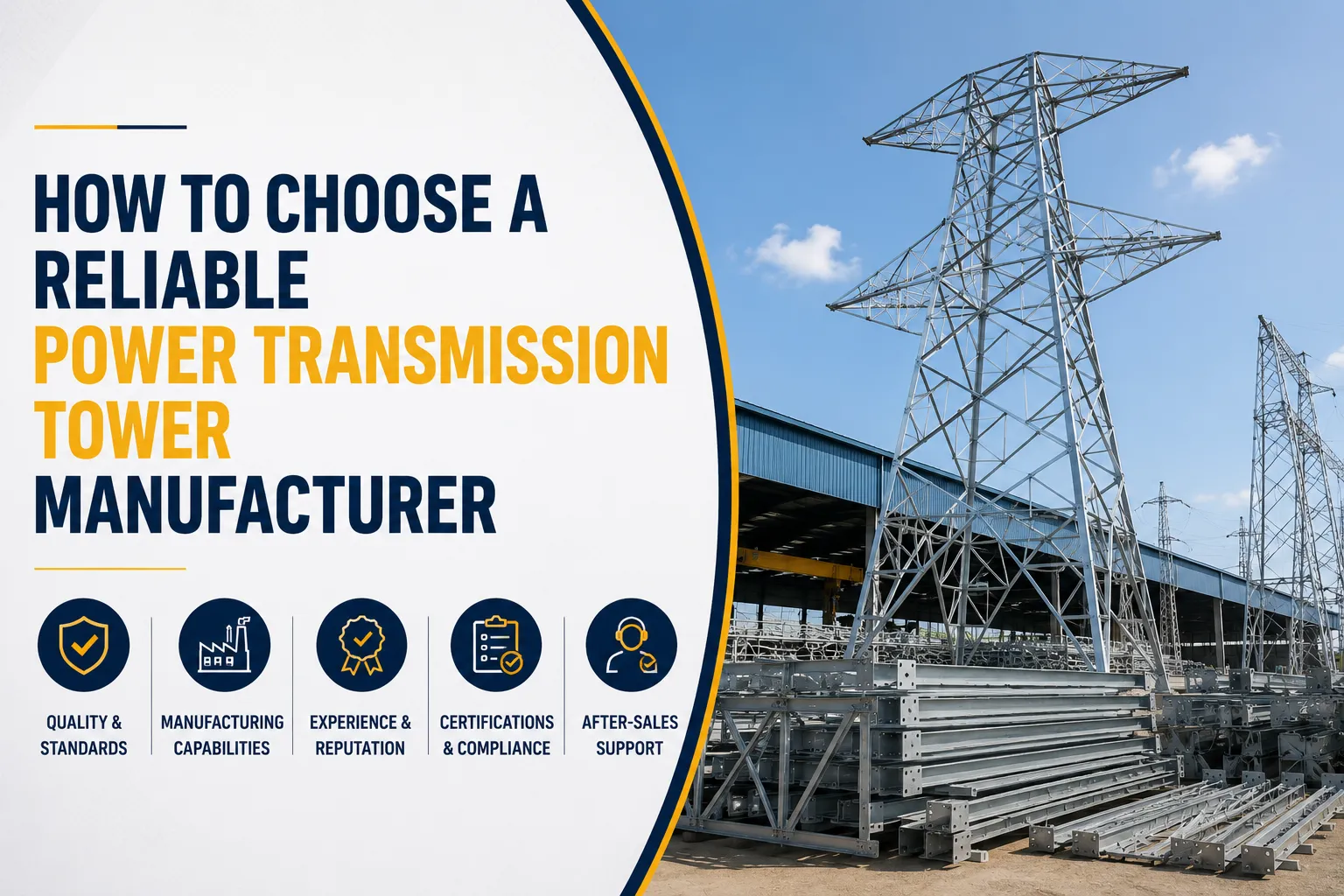
India’s electricity demand is growing every year due to urban expansion, industrial growth, metro rail projects, data centers, renewable energy, and smart infrastructure. Behind the switch you turn on at home lies a massive and complex network called high voltage transmission lines.
Understanding how high voltage transmission lines in India work helps engineers, students, contractors, and even common consumers appreciate how power travels safely across long distances. In this guide, we explain everything in simple, human language — from types of transmission lines to power in transmission lines and the highest voltage in India.
What Are High Voltage Transmission Lines?
High voltage transmission lines are electrical lines used to carry electricity over long distances at very high voltages from power generation stations to substations near cities and industries.
Electricity is transmitted at high voltage because:
-
It reduces power loss
-
It improves efficiency
-
It allows electricity to travel hundreds of kilometers
-
It supports large-scale power demand
Without high voltage transmission lines, modern India simply cannot function.
Why High Voltage Is Used for Power Transmission
One common question people ask is: Why not transmit electricity at low voltage?
The answer lies in power loss.
Power Loss Problem
When electricity flows through a conductor, some energy is lost as heat. This loss increases when:
-
Current is high
-
Distance is long
By increasing voltage:
-
Current decreases
-
Heat loss reduces
-
Efficiency improves
That’s why power in transmission lines is always sent at high voltage and later reduced for safe use.
Power Generation and Transmission Flow in India
The power journey follows these steps:
-
Power Generation
Electricity is generated at power plants (thermal, hydro, solar, wind). -
Voltage Step-Up
Voltage is increased using step-up transformers. -
High Voltage Transmission
Electricity travels through long-distance transmission lines. -
Substation Step-Down
Voltage is reduced near cities. -
Distribution
Power is finally supplied to homes and industries.
This system ensures reliable and continuous power supply across the country.
Types of Transmission Lines in India
Understanding the types of transmission lines helps identify how power is transported across different distances.
1. Short Transmission Lines
-
Distance: Up to 80 km
-
Voltage: Up to 66 kV
-
Used for nearby power transfer
-
Minimal power loss
2. Medium Transmission Lines
-
Distance: 80–250 km
-
Voltage: 66 kV to 220 kV
-
Common in regional power networks
3. Long Transmission Lines
-
Distance: More than 250 km
-
Voltage: 220 kV and above
-
Used for inter-state and national grid
India mainly relies on long transmission lines to move power efficiently across states.
Voltage Levels Used in Indian Transmission Lines
India uses multiple voltage levels based on distance and load requirements.
Common voltage levels include:
-
66 kV
-
110 kV
-
132 kV
-
220 kV
-
400 kV
-
765 kV
Each voltage level plays a specific role in the national power network.
Highest Voltage in India
One of the most asked questions is about the highest voltage in India.
Current Highest AC Voltage in India
765 kV AC is the highest operating transmission voltage currently used in India.
This ultra-high voltage:
-
Carries massive power capacity
-
Reduces transmission losses
-
Supports long-distance energy transfer
HVDC Transmission in India
India also uses High Voltage Direct Current (HVDC) systems, where voltages can exceed ±800 kV DC.
HVDC is preferred for:
-
Very long distances
-
Underwater or underground cables
-
Interconnecting power grids
Power in Transmission Lines: How Much Electricity Flows?
The power in transmission lines depends on:
-
Voltage level
-
Current capacity
-
Line design
-
Conductor material
Simple Formula
Power = Voltage × Current
So when voltage increases:
-
Same power can be transmitted with less current
-
Losses decrease
-
System becomes more efficient
That’s why India invests heavily in high voltage and ultra-high voltage transmission lines.
Conductors Used in High Voltage Transmission Lines
Indian transmission lines use specialized conductors designed for strength and conductivity.
Common types include:
-
ACSR (Aluminum Conductor Steel Reinforced)
-
AAAC (All Aluminum Alloy Conductor)
-
HTLS (High Temperature Low Sag) conductors
These conductors are:
-
Weather-resistant
-
High-strength
-
Long-lasting
Towers and Insulators in Transmission Lines
Transmission Towers
Transmission towers support high voltage lines and maintain safe clearance from ground.
Types include:
-
Lattice towers
-
Tubular poles
-
Monopoles
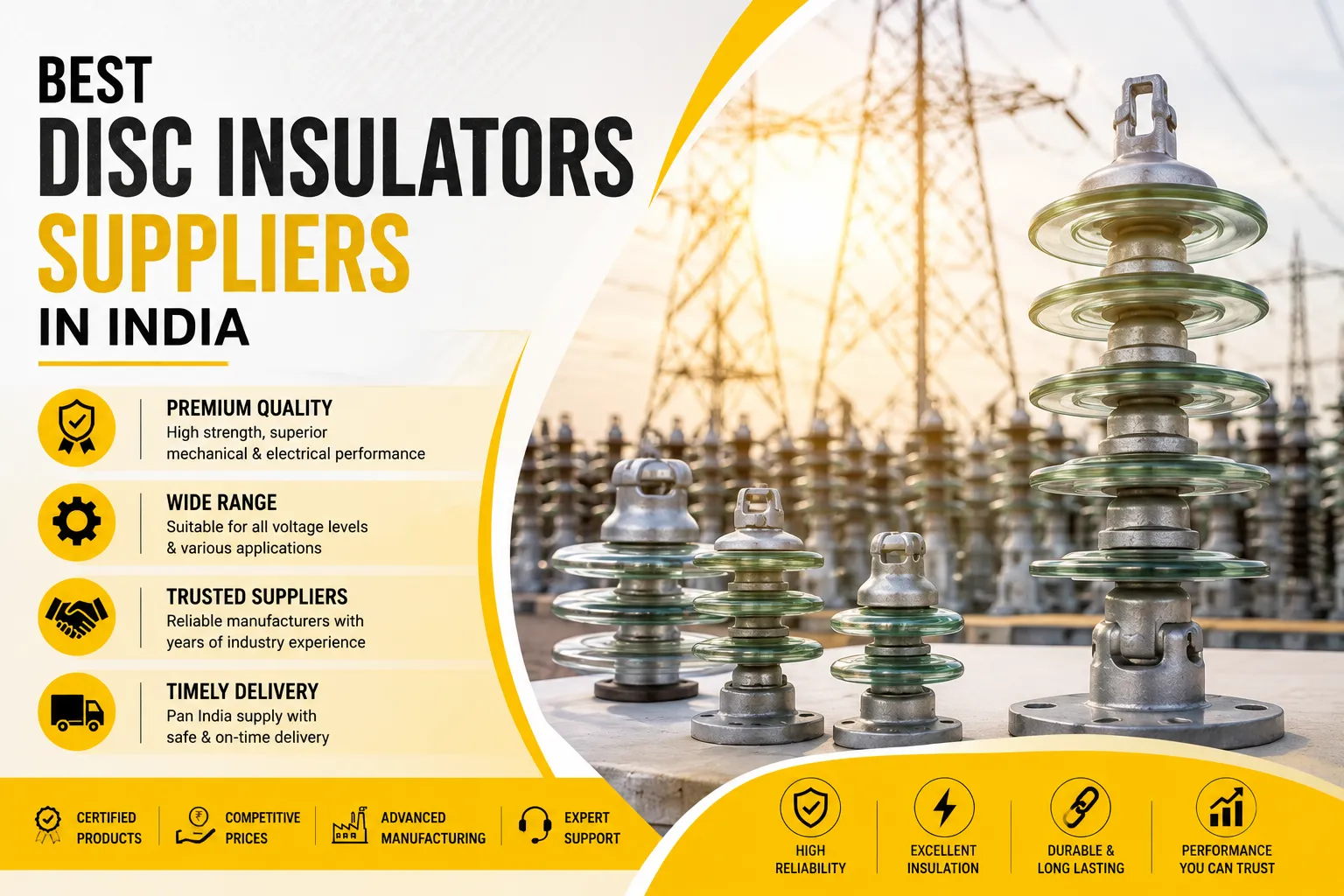
Electrical Insulators
Insulators prevent electricity from flowing to the tower body.
Common insulator types:
-
Porcelain insulators
-
Glass insulators
-
Polymer insulators
High-quality materials ensure safety and reliability.
Role of Substations in Transmission Systems
Substations are the backbone of power transmission.
They:
-
Step up or step down voltage
-
Control power flow
-
Protect the grid during faults
Substations use equipment such as:
-
Circuit breakers
-
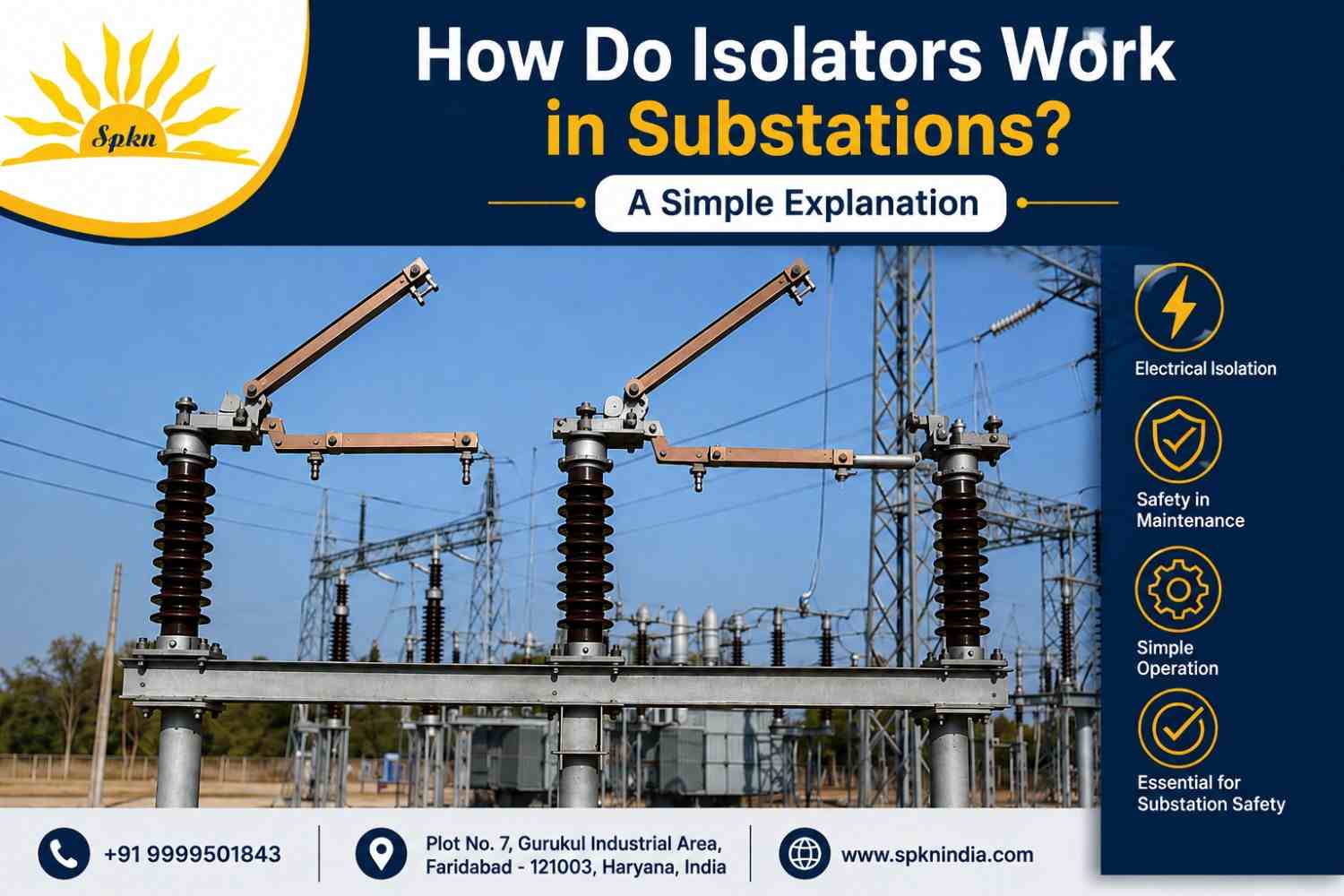
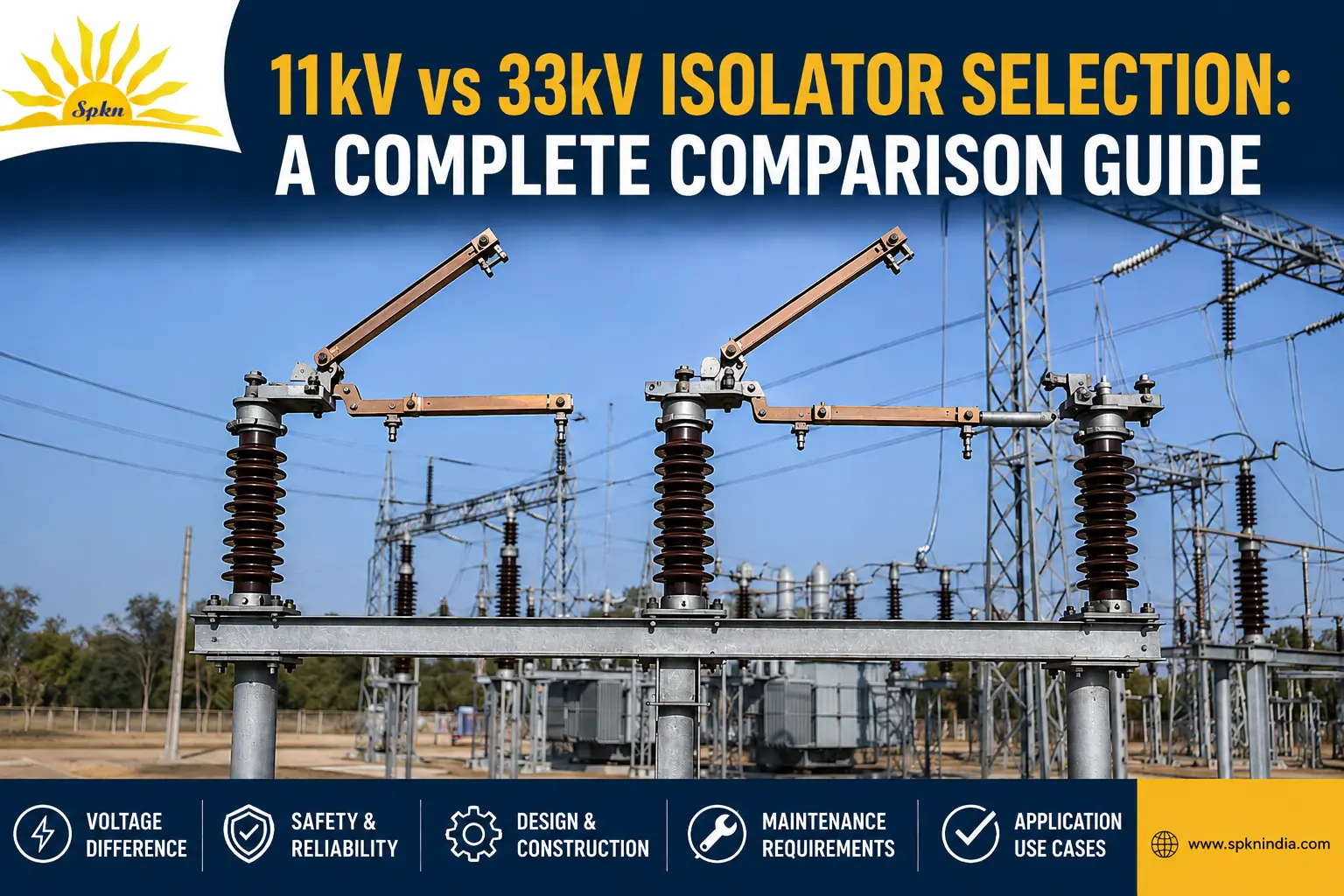
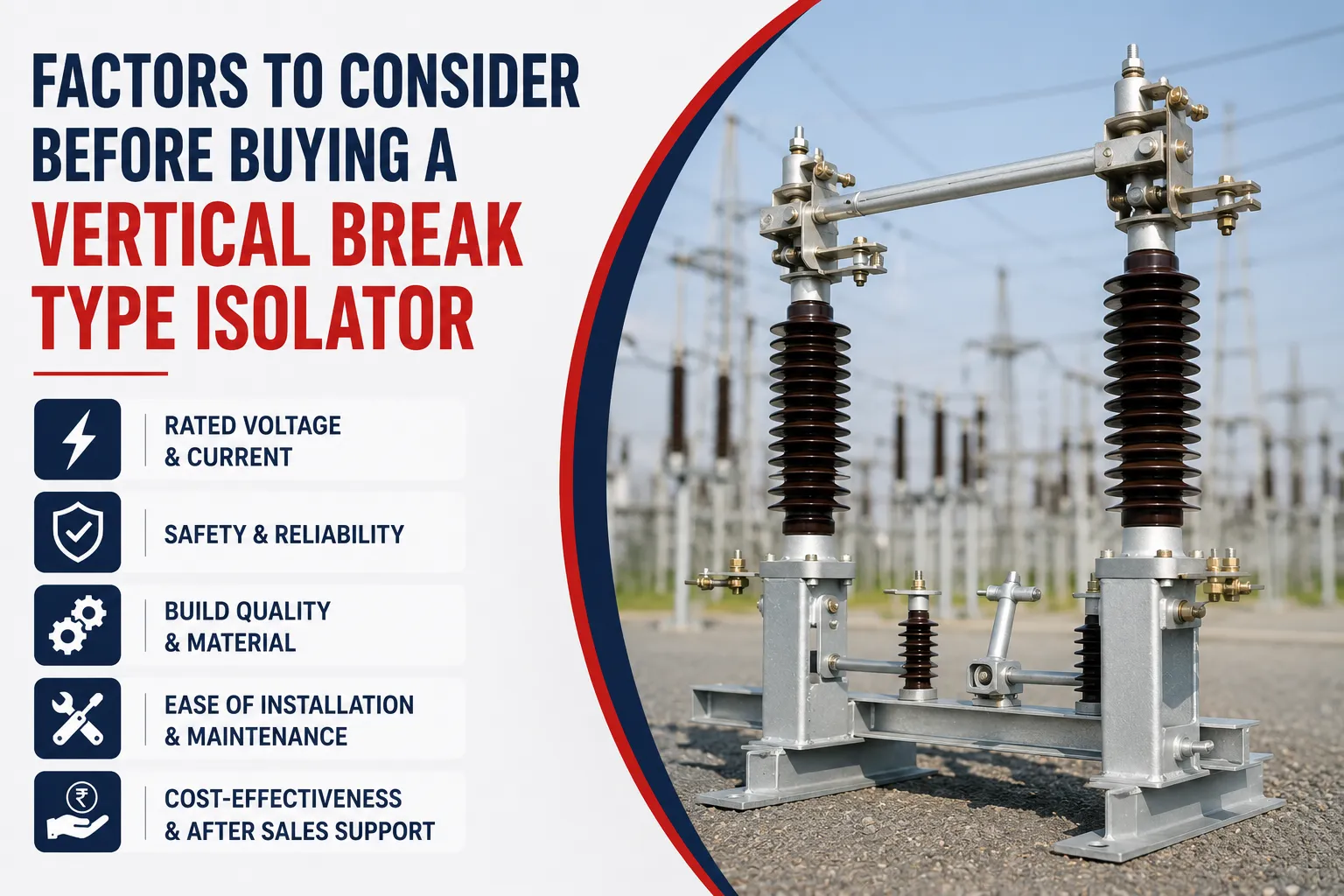
Isolators
-
Transformers
-
Protection relays
Companies like Spkn India support the transmission ecosystem by supplying high-voltage electrical materials used in substations and grid infrastructure.
Challenges in High Voltage Transmission in India
Despite progress, India faces several challenges:
1. Right of Way (RoW) Issues
Land availability and permissions delay projects.
2. Power Losses
Old infrastructure leads to transmission losses.
3. Weather Conditions
Cyclones, heat, and pollution affect line performance.
4. Grid Stability
Balancing renewable energy sources is complex.
Modern technologies are being adopted to solve these problems.
Renewable Energy and Transmission Lines
India’s renewable energy growth requires stronger transmission networks.
Solar and wind plants are often located far from cities, so:
-
High voltage transmission lines are essential
-
New corridors are being developed
-
Green energy corridors are expanding
This ensures clean energy reaches consumers efficiently.
Safety Measures in High Voltage Transmission Lines
Safety is critical when dealing with high voltage.
Key safety practices include:
-
Proper line clearance
-
Quality insulators
-
Regular maintenance
-
Protective equipment
-
Grid monitoring systems
Strict standards help prevent accidents and outages.
Future of High Voltage Transmission in India
The future looks strong due to:
-
Smart grid development
-
Expansion of 765 kV networks
-
More HVDC projects
-
Digital monitoring systems
-
Integration of renewable energy
India is moving toward a strong, efficient, and reliable power transmission system.
How This Knowledge Helps You
Understanding high voltage transmission lines in India helps:
-
Engineers design safer systems
-
Contractors choose the right materials
-
Students learn real-world power systems
-
Businesses plan infrastructure projects
-
Consumers appreciate power reliability
Conclusion
High voltage transmission lines are the silent heroes of India’s power sector. From understanding the types of transmission lines to learning how power in transmission lines flows and knowing the highest voltage in India, this system ensures electricity reaches every corner of the country.
With strong manufacturing support from trusted names like Spkn India, India’s transmission infrastructure continues to grow stronger, safer, and more efficient.