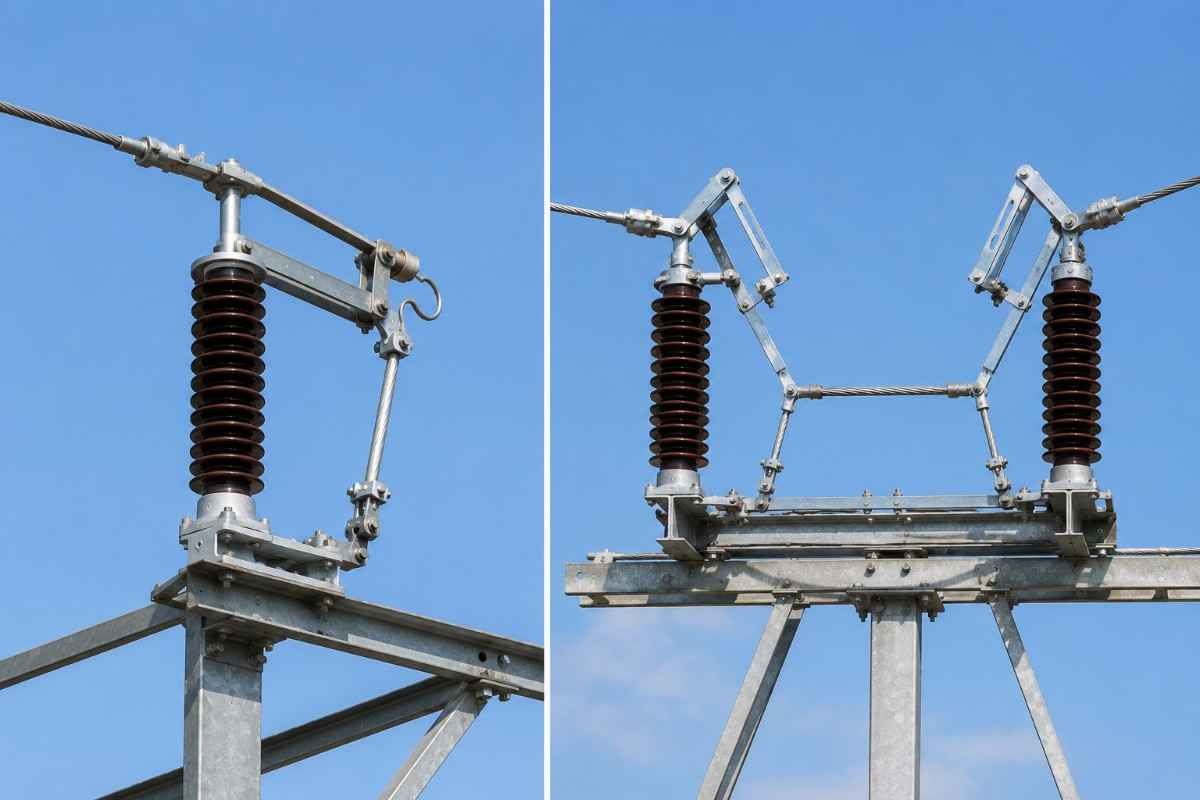
Electrical transmission and distribution systems rely heavily on safe isolation equipment to maintain uninterrupted operations and protect workers during maintenance activities. Among the most critical components in substations and industrial power networks are electrical isolator systems.
Whether it is a high-voltage transmission line, a power substation, or an industrial switching yard, isolators help disconnect electrical equipment safely when maintenance or inspection work is required. However, not all isolators are designed the same way. Two of the most widely used configurations are single break isolators and double break isolators.
For electrical engineers, utility companies, EPC contractors, and industrial buyers, understanding the difference between these isolators is important for selecting the right equipment for specific power applications.
In this blog, we will compare single break and double break electrical isolators, explain how they work, discuss their practical applications, and help industries understand which solution best suits their operational needs.
What Is an Electrical Isolator?
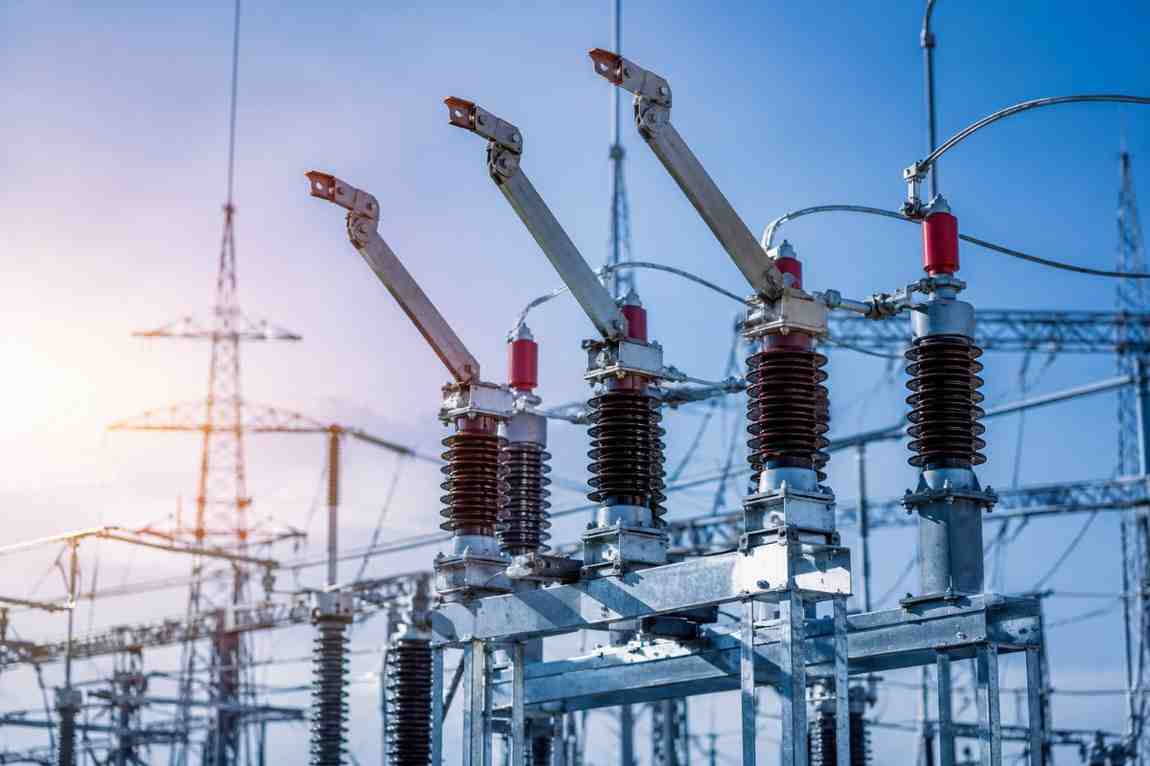
An electrical isolator is a mechanical switching device used to disconnect a section of an electrical system from the power source. Unlike circuit breakers, isolators are operated only after the current flow has been interrupted.
Their main purpose is to ensure:
- Safe maintenance
- Visual circuit isolation
- Worker protection
- System reliability
Electrical isolators are commonly installed in:
- Power substations
- Transmission networks
- Industrial electrical systems
- Renewable energy plants
- Utility switching stations
These devices provide visible separation between live and disconnected sections of the network.
Why Electrical Isolators Are Essential in Power Systems
Modern electrical infrastructure operates under high voltage and heavy load conditions. During maintenance or fault handling, engineers must ensure complete electrical isolation before accessing equipment.
Without proper isolation systems:
- Maintenance risks increase
- Equipment damage becomes more likely
- Worker safety is compromised
- Faults may spread through the network
This is why high-quality electrical isolators are critical for safe power system operation.
Understanding Single Break Electrical Isolators
A single break isolator contains one interruption point per phase. When the isolator operates, the contacts separate at one location, creating visible electrical isolation.
How Single Break Isolators Work
The moving contact rotates or slides away from the fixed contact, creating a single air gap that disconnects the circuit.
This design is relatively simple and widely used in medium-voltage applications.
Key Features of Single Break Electrical Isolators
Simple Construction
Single break isolators have a straightforward mechanical design, making them easier to operate and maintain.
Compact Design
Their smaller structure makes them suitable for installations where space is limited.
Cost-Effective Installation
Fewer components and simpler construction help reduce installation complexity.
Reliable Performance in Medium Voltage Systems
These isolators are commonly used where voltage requirements are moderate and switching demands are less complex.
Common Applications of Single Break Isolators
Single break electrical isolators are widely used in:
- Distribution substations
- Industrial power systems
- Medium-voltage switchyards
- Commercial electrical infrastructure
Real-world example
A manufacturing plant operating a medium-voltage internal distribution network may use single break isolators to isolate transformers during scheduled maintenance.
Understanding Double Break Electrical Isolators
Double break isolators contain two interruption points per phase. During operation, the contacts separate simultaneously at two different points, improving voltage distribution and electrical isolation performance.
These isolators are commonly used in high-voltage transmission systems.
How Double Break Isolators Work
In a double break configuration:
- The moving arm separates from both ends simultaneously
- Two air gaps are created
- Electrical stress is distributed more effectively
This design improves insulation performance and operational reliability in high-voltage environments.
Key Features of Double Break Electrical Isolators
Better Voltage Handling Capability
Double break isolators are suitable for higher voltage applications due to improved insulation distribution.
Enhanced System Stability
The dual-break arrangement improves electrical performance during switching operations.
Improved Mechanical Balance
The symmetrical design helps ensure smoother operation under high mechanical stress.
Suitable for Heavy-Duty Outdoor Applications
These isolators are commonly used in transmission substations and utility networks exposed to harsh weather conditions.
Common Applications of Double Break Isolators
Double break electrical isolators are widely used in:
- High-voltage substations
- Transmission line systems
- Utility power grids
- Outdoor switchyards
Real-world example
A 220 kV transmission substation may use double break isolators for isolating transmission feeders safely during maintenance and inspection operations.
Single Break vs Double Break Electrical Isolators
Understanding the differences between these isolator types helps buyers make informed decisions.
| Feature | Single Break Isolator | Double Break Isolator |
|---|---|---|
| Number of Break Points | One | Two |
| Voltage Application | Medium voltage | High voltage |
| Construction Complexity | Simple | More advanced |
| Space Requirement | Compact | Larger installation area |
| Insulation Performance | Moderate | Higher |
| Mechanical Stability | Standard | Improved |
| Typical Usage | Industrial systems | Transmission substations |
Which Electrical Isolator Is Better?
There is no universal answer because both isolator types serve different operational requirements.
Choose Single Break Isolators When:
- Space is limited
- Medium-voltage operation is required
- Simpler maintenance is preferred
- Industrial distribution systems are involved
Choose Double Break Isolators When:
- High-voltage transmission systems are used
- Greater insulation reliability is needed
- Outdoor utility applications are involved
- Heavy-duty performance is required
Selecting the correct isolator depends on:
- Voltage level
- System configuration
- Environmental conditions
- Safety requirements
Important Features Buyers Should Evaluate
Before selecting an electrical isolator, buyers should assess the following factors.
Voltage Rating
Ensure the isolator matches the system voltage level.
Current Carrying Capacity
The isolator must safely handle operational load currents.
Short-Time Withstand Strength
The equipment should withstand fault currents during abnormal conditions.
Mechanical Durability
High-quality isolators should operate reliably over long service periods.
Environmental Protection
Outdoor installations require resistance to:
- Dust
- Moisture
- Corrosion
- Temperature variations
Standards Compliance
Products should comply with recognized standards such as:
- IEC standards
- IS standards
- Utility specifications
Common Mistakes Industries Make While Selecting Isolators
Ignoring Environmental Conditions
Outdoor substations require weather-resistant designs suitable for Indian climate conditions.
Choosing Based Only on Cost
Low-quality isolators may fail under electrical or mechanical stress, increasing long-term operational risks.
Incorrect Voltage Selection
Using an underspecified isolator can compromise system safety and reliability.
Overlooking Maintenance Requirements
Complicated designs may increase maintenance time and operational downtime.
Industry Trends in Electrical Isolation Systems
India's power sector is rapidly evolving with:
- Renewable energy expansion
- Smart grid development
- Transmission infrastructure growth
- Industrial automation
This has increased demand for advanced electrical isolator systems offering:
- Higher reliability
- Better mechanical endurance
- Improved insulation performance
- Remote operation capability
Modern substations increasingly require durable isolation systems that support long-term operational efficiency.
Why Industries Trust SPKN India for Electrical Isolator Solutions
SPKN India is a trusted industrial electrical equipment manufacturer and supplier serving India's growing power and infrastructure sectors.
The company offers dependable solutions designed for:
- Power transmission systems
- Distribution networks
- Industrial applications
- Utility substations
Strong Engineering Expertise
SPKN India understands the operational challenges of modern electrical infrastructure and develops products focused on safety, durability, and reliability.
Quality-Focused Manufacturing
Products are manufactured using robust materials and tested for dependable electrical and mechanical performance.
Compliance with Industry Standards
SPKN India prioritizes adherence to recognized quality and safety standards to ensure reliable operation across demanding applications.
Support for Diverse Industries
The company supports:
- EPC contractors
- Power utilities
- Industrial plants
- Renewable energy projects
- Infrastructure developers
Conclusion
Understanding the difference between single break and double break electrical isolator systems is essential for building safe and reliable power infrastructure.
Single break isolators are ideal for compact medium-voltage applications, while double break isolators provide superior insulation and performance for high-voltage transmission systems.
Choosing the right isolator improves:
- Electrical safety
- Maintenance efficiency
- Operational reliability
- Long-term system performance
As India's power infrastructure continues to expand, industries and utilities increasingly depend on durable and standards-compliant isolation equipment.
With strong engineering expertise and a commitment to quality manufacturing, SPKN India continues to support industrial and utility sectors with reliable electrical isolator solutions built for demanding applications.