Electricity powers our homes, industries, and infrastructure every day. But to safely transmit electricity over long distances, we need reliable insulation materials that prevent current leakage and electrical accidents. One of the most trusted materials used in the electrical industry is the porcelain electrical insulator.
In this guide by Spkn India, we will explain everything in a simple and easy-to-understand way, including:
- What porcelain electrical insulators are
- How they work
- Whether porcelain is a conductor or insulator
- Types and applications
- Benefits in power transmission
- Why porcelain insulators are widely used in India
This article is designed for engineers, technicians, contractors, students, and anyone interested in understanding electrical insulation technology.
What Is a Porcelain Electrical Insulator?
A porcelain electrical insulator is a device made from high-quality ceramic material that prevents the flow of electricity between conductive components. It supports electrical conductors while keeping them safely separated from grounded structures like towers or poles.
In simple words:
A porcelain insulator is a safety device that stops electricity from leaking and protects electrical systems from faults.
Porcelain has been used in the electrical industry for more than a century because of its strength, durability, and excellent insulation properties.
Is Porcelain a Conductor or Insulator?
One of the most common questions people ask is:
Is porcelain a conductor or insulator?
Porcelain is an electrical insulator, not a conductor.
This means it does not allow electricity to pass through easily. Instead, it resists the flow of electrical current, making it ideal for high-voltage applications.
Why Porcelain Is a Good Electrical Insulator
Porcelain is widely used in electrical systems because it offers:
- High electrical resistance
- Excellent mechanical strength
- Heat resistance
- Weather resistance
- Long service life
- Low maintenance
These properties make porcelain one of the safest and most reliable insulation materials in power systems.
How Do Porcelain Electrical Insulators Work?
The working principle of a porcelain electrical insulator in India and worldwide is based on preventing electrical current from flowing into unwanted paths.
Simple Working Principle
A porcelain insulator works by:
- Supporting the electrical conductor
- Preventing current leakage
- Maintaining electrical separation
- Protecting equipment and people
The insulator creates a barrier between the energized conductor and the grounded structure.
Key Components of a Porcelain Electrical Insulator
A typical porcelain insulator consists of several important parts.
Main Parts
1. Porcelain Body
Provides insulation and mechanical strength.
2. Metal Fittings
Used to connect the insulator to towers or equipment.
3. Glazed Surface
Protects the insulator from moisture and dust.
4. Shed Design
Prevents water accumulation and improves insulation performance.
Types of Porcelain Electrical Insulators
Understanding the different types of porcelain insulators helps in selecting the right equipment for specific applications.
1. Pin Type Insulator
Pin-type insulators are commonly used in distribution lines.
Features
- Installed on poles
- Suitable for low to medium voltage
- Easy installation
- Cost-effective
2. Suspension Type Insulator
Suspension insulators are used in high-voltage transmission systems.
Features
- High mechanical strength
- Flexible design
- Used in long-distance transmission
3. Strain Insulator
Strain insulators are used where the conductor experiences high tension.
Features
- Strong mechanical support
- Reliable performance
- Used in railway and transmission lines
4. Shackle Insulator
Shackle insulators are used in low-voltage distribution systems.
Features
- Compact design
- Easy installation
- Suitable for residential areas
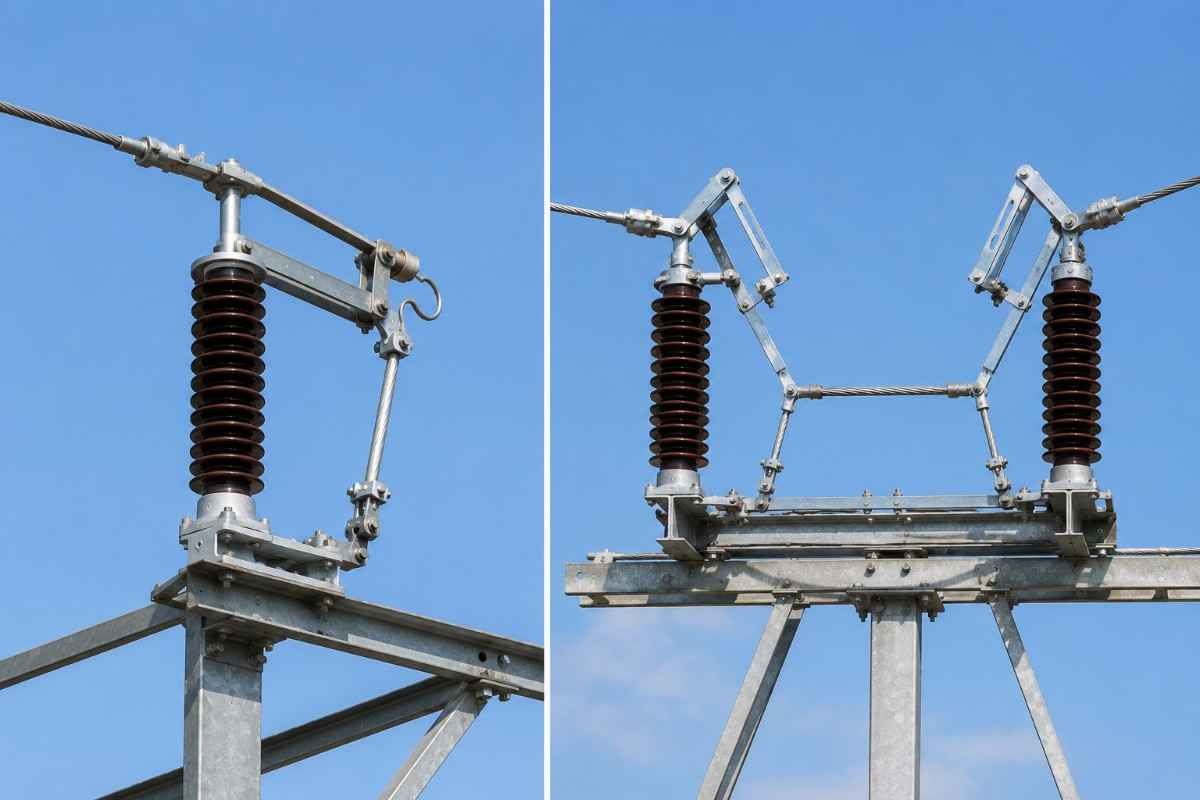
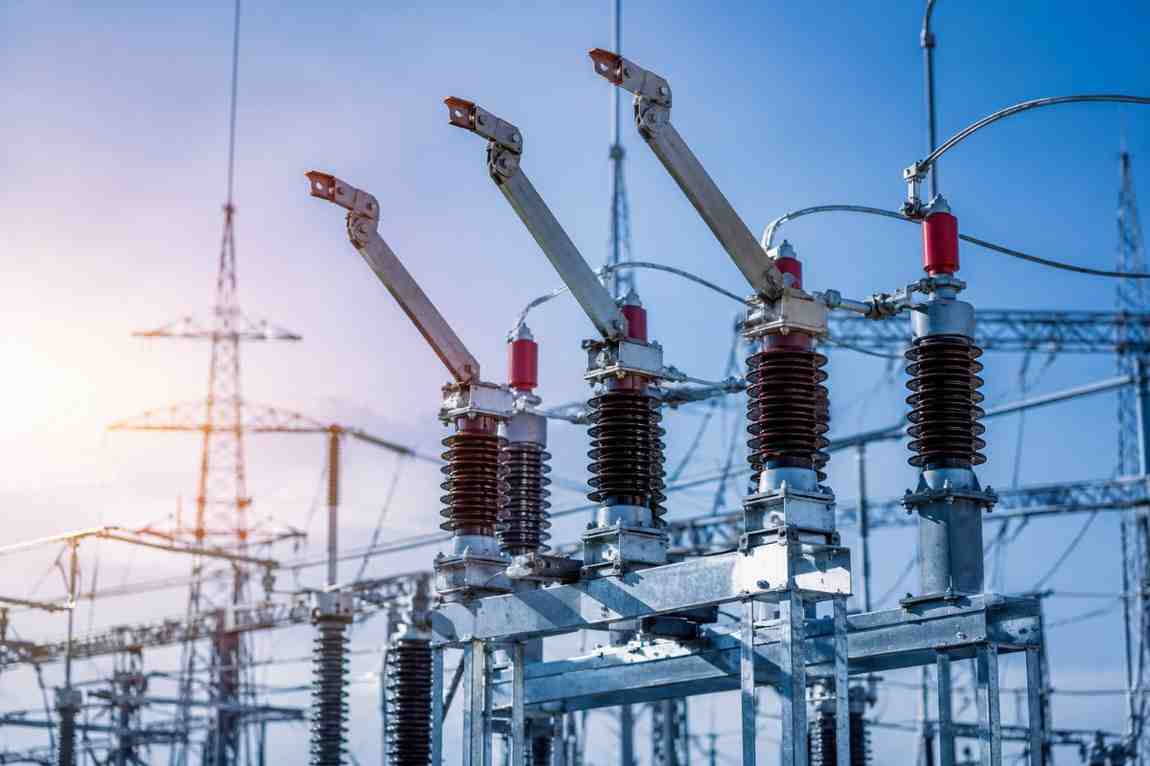
5. Post Insulator
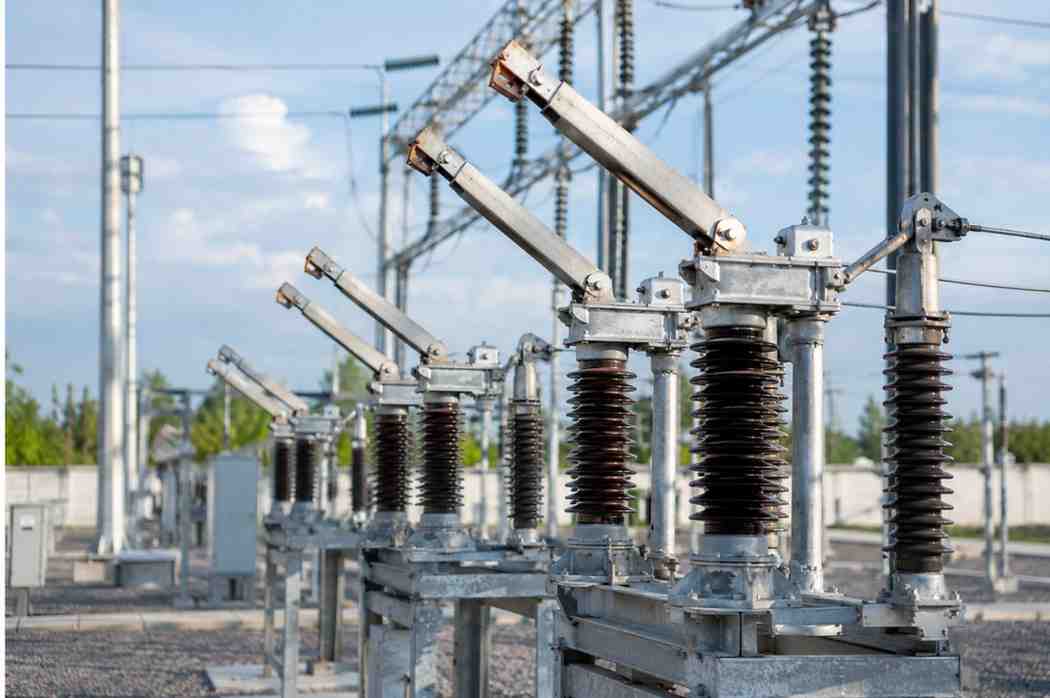
Post insulators are widely used in substations.
Features
- High voltage capacity
- Strong mechanical stability
- Reliable insulation
Applications of Porcelain Electrical Insulator in India
The porcelain electrical insulator in India is widely used in various electrical and industrial environments.
Common Applications
- Power transmission lines
- Electrical substations
- Distribution networks
- Railway electrification
- Industrial power systems
- Renewable energy systems
- High-voltage equipment
India's growing power infrastructure depends heavily on durable and reliable insulators to maintain safety and efficiency.
Advantages of Porcelain Electrical Insulators
Porcelain insulators offer several important benefits that make them a preferred choice in the electrical industry.
Key Advantages
1. High Mechanical Strength
Porcelain can withstand heavy loads and harsh environmental conditions.
2. Long Service Life
Porcelain insulators can last for decades with minimal maintenance.
3. Excellent Electrical Insulation
They prevent current leakage and ensure system safety.
4. Weather Resistance
Porcelain performs well in extreme temperatures and humidity.
5. Fire Resistance
Porcelain does not burn, making it safer than many other materials.
6. Low Maintenance
Requires minimal servicing over time.
Porcelain vs Polymer Insulators
Both porcelain and polymer insulators are used in modern power systems, but they have different characteristics.
Comparison Table
| Feature | Porcelain Insulator | Polymer Insulator |
|---|---|---|
| Material | Ceramic | Silicone rubber |
| Weight | Heavy | Lightweight |
| Durability | Very high | High |
| Maintenance | Low | Very low |
| Cost | Moderate | Slightly higher |
| Service Life | Long | Long |
Why Porcelain Electrical Insulators Are Still Popular in India
Despite the availability of modern materials, porcelain remains one of the most trusted insulation materials in the Indian power sector.
Reasons for Popularity
- Proven reliability
- Strong mechanical performance
- Cost-effective solution
- Suitable for harsh climates
- Easy availability
- Industry standard material
This is why many utilities and industries continue to rely on porcelain insulators.
Safety Importance of Porcelain Electrical Insulators
Electrical safety is a top priority in power systems. Insulators play a critical role in preventing accidents and equipment damage.
Porcelain insulators help:
- Prevent electrical leakage
- Reduce risk of short circuits
- Protect workers and equipment
- Improve system reliability
- Ensure uninterrupted power supply
Maintenance Tips for Porcelain Electrical Insulators
Proper maintenance ensures long service life and reliable performance.
Maintenance Best Practices
- Regular inspection
- Cleaning dust and pollution
- Checking for cracks or damage
- Monitoring electrical performance
- Replacing damaged insulators
How to Choose the Right Porcelain Electrical Insulator
Selecting the correct insulator depends on several factors.
Important Selection Factors
- Voltage rating
- Mechanical strength
- Environmental conditions
- Installation type
- Safety requirements
- Industry standards
Choosing the right insulator ensures efficient and safe electrical operation.
Why Choose Spkn India for Porcelain Electrical Insulators
Spkn India is a trusted manufacturer and supplier of high-quality electrical insulation products designed for reliable performance in modern power systems.
Key Reasons to Choose Spkn India
- High-quality manufacturing
- Durable products
- Industry-standard compliance
- Reliable electrical performance
- Competitive pricing
- Strong technical support
- Nationwide supply network
Spkn India delivers dependable insulation solutions for substations, transmission lines, and industrial applications across India.
Conclusion
Porcelain electrical insulators play a vital role in modern power systems by preventing current leakage and ensuring safe transmission of electricity. Their durability, reliability, and proven performance make them one of the most trusted insulation materials in the electrical industry.
Understanding how porcelain insulators work helps engineers and technicians maintain safe and efficient electrical systems.
As India's power infrastructure continues to grow, porcelain insulators will remain an essential component in delivering reliable electricity.