This is exactly why understanding the standard specifications for a 33kV electrical substation matters, whether you are an electrical engineer finalizing a design, a procurement manager comparing vendor quotes, or an EPC contractor closing out a distribution project. A 33kv substation sits at a critical point in the power network, stepping down bulk power from transmission voltage to a level industries, feeders, and local grids can actually use.
This checklist walks through everything you need to verify before finalizing a 33 kv substation design or purchase order, based on how these systems are actually built and installed across Indian power and industrial projects.
What Is a 33kV Electrical Substation, Exactly?
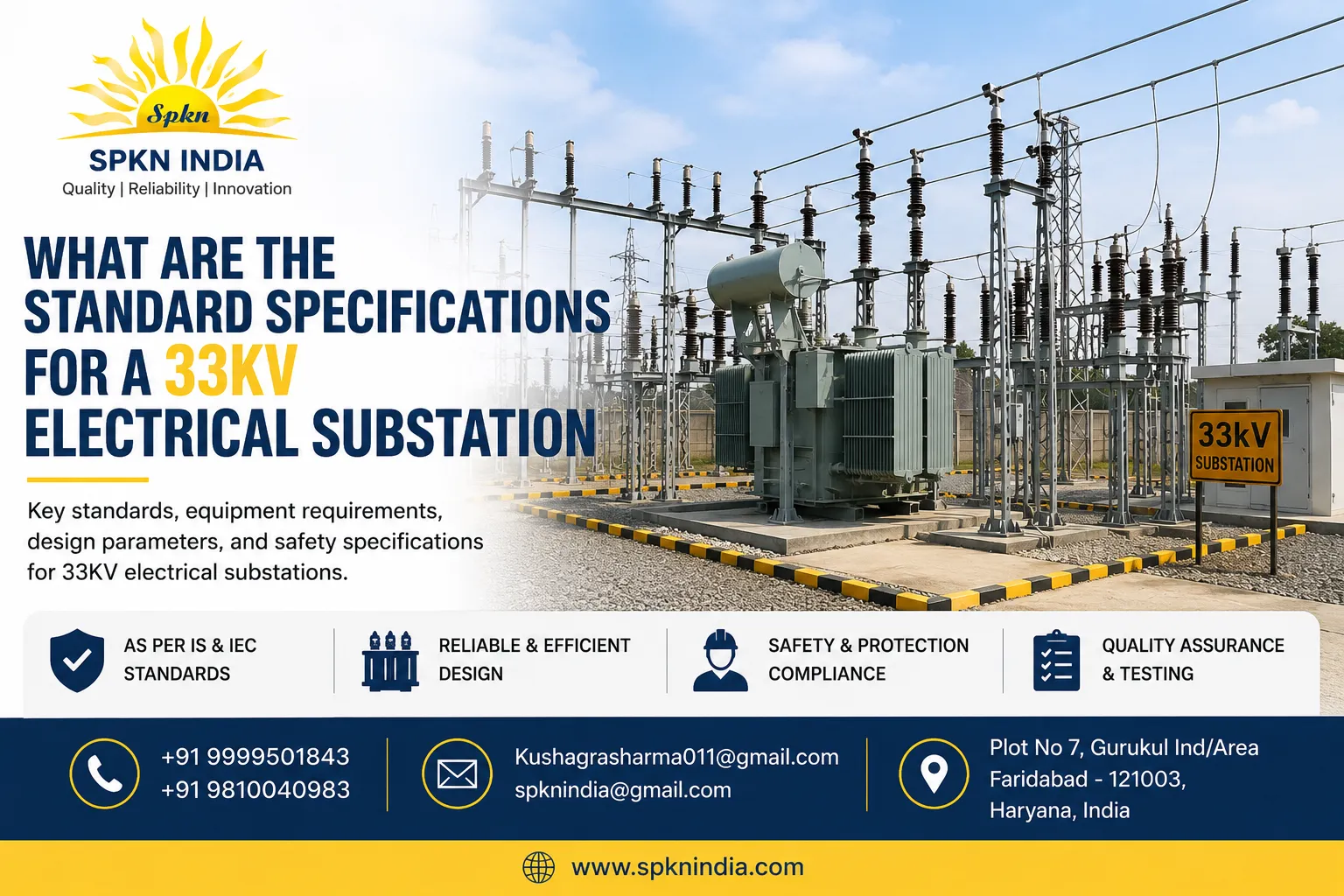
A 33kV electrical substation is an intermediate substation that receives power at 33,000 volts and either steps it down further (to 11kV or 415V for local distribution) or routes it to industrial consumers who can handle that voltage directly.
Think of it as the middle link in the chain. Power generation happens at high voltage, transmission substations move it across long distances at 132kV, 220kV, or higher, and then 33kV substations take over to distribute that power regionally, feeding smaller towns, industrial clusters, and rural feeders.
You will find 33kv substations at cement plants, textile mills, steel units, state electricity board distribution points, and increasingly at renewable energy evacuation points where solar and wind farms feed power into the grid.
Why Getting the Specifications Right Matters
A substation is not something you fix easily after commissioning. Every specification, from switchgear rating to earthing design, needs to match the actual fault level, load growth plan, and site conditions of the location.
Get it wrong and you are looking at:
- Equipment that trips under normal load fluctuations
- Isolators or breakers that cannot handle actual fault currents
- Civil structures that need costly retrofitting
- Non-compliance flags during CEA or state utility inspection
This is why the specification stage deserves as much attention as the design stage. Below is the checklist that covers the areas that actually decide whether a 33kV substation performs reliably for the next 25 to 30 years.
The Complete 33kV Electrical Substation Specification Checklist
1. Electrical System Parameters
Before anything else, these basic system parameters need to be locked in:
- Rated voltage: 33kV (with a system highest voltage of 36kV as per IS standards)
- Frequency: 50 Hz, standard across Indian grids
- Fault level: Typically specified between 25kA and 31.5kA for 3 seconds, depending on the network strength at that point
- Number of phases: 3-phase, 3-wire or 4-wire depending on distribution requirement
- System neutral grounding: Solidly earthed or resistance earthed, based on utility practice
A 33 kv substation designed for an industrial load with steady demand will have very different fault level requirements than one feeding a fluctuating renewable energy source, so this figure should never be copied from a template.
2. Switchgear and Isolator Specifications
This is where most specification mismatches happen in real projects.
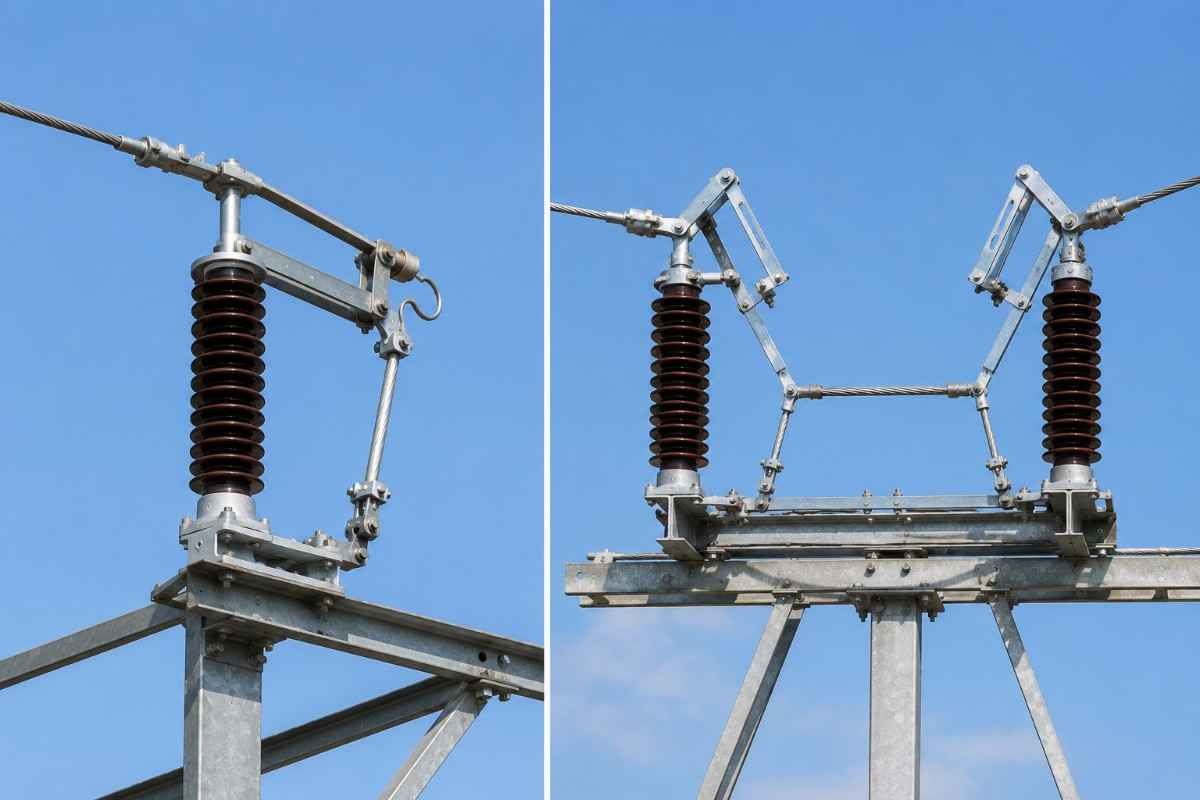
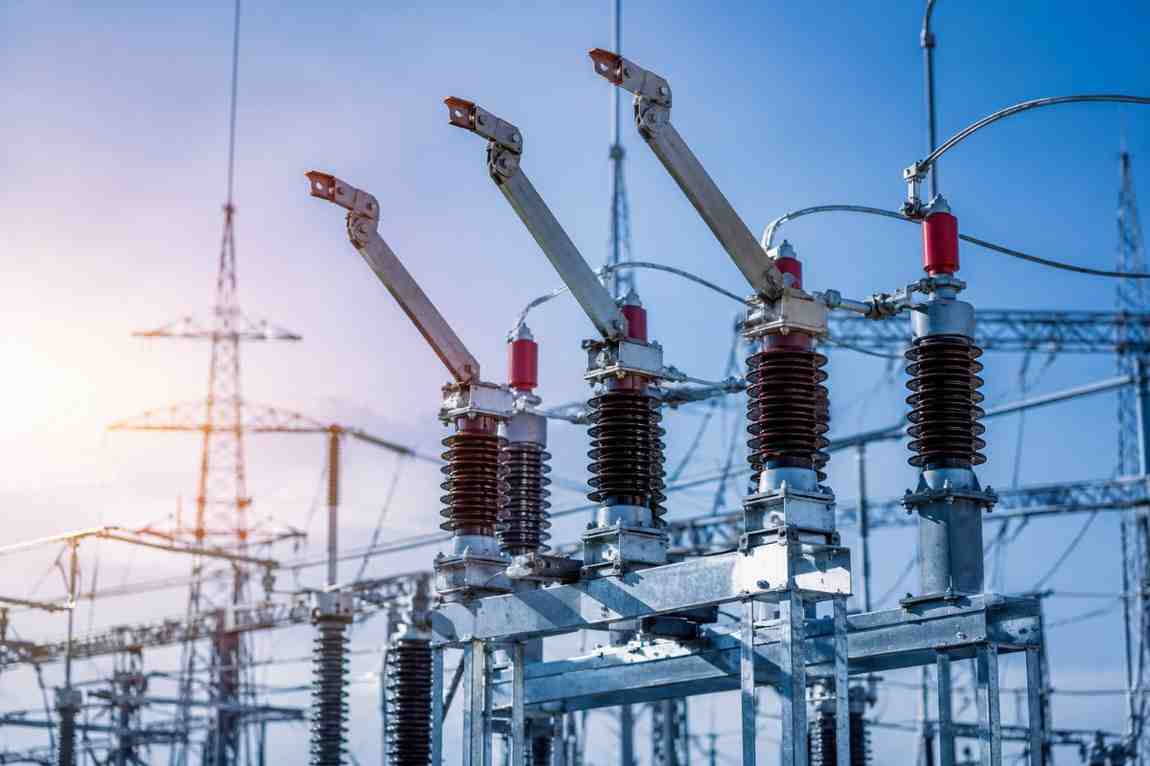
- Isolators: Rated for 33kV, with current ratings typically between 630A and 1250A depending on feeder load, and short-time withstand current matching the fault level
- Circuit breakers: Vacuum circuit breakers (VCB) are the standard choice for 33kV indoor and outdoor applications due to their low maintenance and high interruption capacity
- Air Break Switches: Used where isolation without load-breaking capacity is sufficient
- Earth switches: Integrated or separate, required for safe maintenance access
Every isolator or switch specified should state its rated voltage, rated current, short-circuit withstand rating, and operating mechanism type (manual or motorized) clearly in the technical schedule. This is a detail we always insist on when supplying isolators, because a vague spec sheet almost always leads to site-level rework.
3. Power Transformer Specifications
If the substation includes a step-down transformer, the specification sheet should define:
- Transformer rating in MVA (commonly 5 MVA, 8 MVA, or 10 MVA for 33/11kV substations)
- Vector group, usually Dyn11 for distribution applications
- Impedance percentage, which affects fault current limiting
- Cooling method, ONAN or ONAF depending on load profile
- Tap changer type, on-load or off-circuit, based on voltage regulation needs
4. Protection and Metering Specifications
A 33kV substation without proper protection coordination is a liability, not an asset.
- Current Transformers (CTs): Correct ratio and accuracy class for both protection and metering cores
- Potential Transformers (PTs): Matched to system voltage for accurate relay operation
- Protection relays: Overcurrent, earth fault, and differential protection as applicable
- Lightning arresters: Rated for 33kV system with adequate surge discharge capacity, essential given how many substations in India face monsoon-related lightning strikes
5. Civil and Layout Specifications
- Minimum clearances between live parts as per IS 3043 and CEA safety regulations
- Bus bar height and phase spacing suited to 33kV insulation levels
- Foundation design accounting for local soil bearing capacity
- Cable trenches, control room layout, and fire safety zones
6. Environmental and Compliance Specifications
- Insulation coordination as per IS 2705 and IEC 60071
- Ingress protection (IP) ratings for outdoor equipment enclosures
- Corrosion protection specifications for coastal or industrial pollution zones
- Compliance with Central Electricity Authority (CEA) safety regulations
Types of 33kV Substations You Should Know
Not every 33 kv substation is built the same way. The type you choose depends heavily on land availability, budget, and environmental conditions.
Outdoor AIS (Air Insulated Substation)
The most common type across Indian distribution networks. Equipment is spread across open ground, uses air as the insulating medium, and is generally more economical for locations with adequate land.
Indoor Substations
Used in urban or industrial locations where space is limited or where equipment needs protection from dust, pollution, or coastal salinity.
GIS (Gas Insulated Substation)
Compact, uses SF6 gas for insulation, and is chosen where land is extremely limited, such as in dense industrial zones or city substations.
Real-World Application: Why This Matters On Site
Take a textile manufacturing cluster drawing power through a 33/11kV substation. If the isolator and CT specifications are finalized without accounting for the plant's actual peak load during machine start-up, the protection relays will trip unnecessarily, causing repeated production stoppages. This is a real pattern seen across several industrial feeders in India, and it almost always traces back to specifications that were copied from a standard template instead of being calculated for the actual load.
The same applies to substations feeding solar parks, where fault current behavior is different from a conventional thermal-fed network, and switchgear needs to be specified accordingly.
Common Mistakes Buyers Make
- Assuming a standard 25kA fault level fits every site without verifying actual network strength
- Ignoring ambient temperature and pollution levels when selecting insulator type (porcelain versus polymer)
- Choosing manual isolators for locations that actually need motorized operation for remote switching
- Overlooking future load growth, leading to undersized equipment within a few years of commissioning
- Treating specification sheets as a formality instead of a technical requirement matched to CEA and IS standards
Industry Insights: Standards That Govern 33kV Substations
Indian 33kV substations are governed primarily by IS 3427 (metal enclosed switchgear), IS 2705 (current transformers), IEC 62271 (high-voltage switchgear and controlgear), and CEA safety regulations for construction and maintenance. Any vendor or EPC contractor working on a 33kv electrical substation project should be able to demonstrate compliance with these standards on request, not just mention them in a brochure.
Why Choose SPKN India
SPKN India has been supplying isolators, switchgear, and high-voltage line materials for substations ranging from 11kV to 220kV across power utilities and industrial projects in India. Every isolator and switch we manufacture is engineered to meet PGCIL and utility specification standards, and our production process is backed by ISO 9001:2015 certification.
What sets our approach apart is that we do not treat specification sheets as boilerplate. Our engineering team works with EPC contractors and procurement teams to match equipment ratings, whether it is fault level, current rating, or operating mechanism, to the actual site conditions of the project. This is the same standard we apply whether the substation is a straightforward 33kv substation for a distribution feeder or a more complex 132kV or 220kV installation.
If your project involves finalizing specifications for a new 33kV substation or upgrading an existing one, our team can help you cross-check technical schedules against IS and CEA requirements before you finalize your order.
Conclusion
A reliable 33kV electrical substation is built on specifications that are calculated, not copied. From fault level and isolator ratings to protection relays and civil clearances, every parameter needs to reflect the real conditions of the site it serves. Whether you are drafting a technical schedule or reviewing a vendor's offer, use this checklist as your starting point before you sign off on a 33 kv substation project.
Reach out to SPKN India's engineering team to get your substation specifications reviewed and sourced from a manufacturer that understands what utility-grade compliance actually requires.