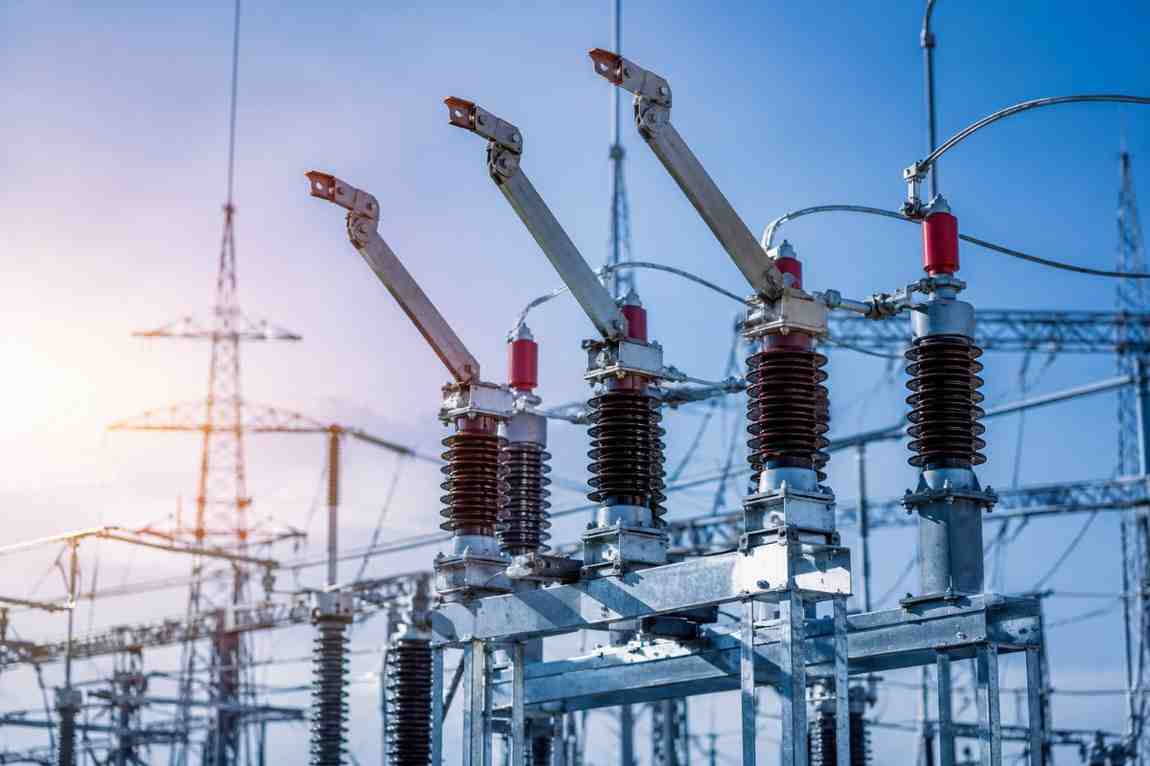
Electrical systems in industries operate under constant pressure. Heavy machinery, continuous power loads, fluctuating voltages, and demanding operating environments make electrical safety a top priority. A single fault in the power distribution system can stop production lines, damage expensive equipment, or even create serious safety risks for workers.
This is why industries across India increasingly rely on durable and high-performance break switches.
From substations and manufacturing plants to renewable energy projects and transmission networks, break switches help isolate electrical circuits safely and maintain reliable system performance. They are a critical component in ensuring uninterrupted operations and protecting both equipment and personnel.
For electrical engineers, procurement managers, EPC contractors, and industrial buyers, understanding the importance of high-quality break switches can help improve operational reliability and long-term system efficiency.
In this blog, we will use a problem-solution format to explore why industries depend on break switches, the risks of poor-quality switching equipment, practical applications, selection tips, and why trusted manufacturers like SPKN India continue to support India's growing electrical infrastructure.
The Growing Challenge of Electrical System Failures
Industrial electrical systems today are far more complex than they were a decade ago.
Modern industries depend on:
- Automated machinery
- Smart control systems
- Continuous production operations
- High-voltage power networks
- Renewable energy integration
As power demand increases, the risk of electrical failures also rises.
Common industry problems include:
- Sudden equipment shutdowns
- Electrical faults
- Arc flash incidents
- Transformer damage
- Voltage instability
- Maintenance safety risks
In many cases, these problems are linked to poor isolation and switching systems.
A reliable break switch helps solve these challenges by ensuring safe interruption and isolation of electrical circuits during maintenance or fault conditions.
What Exactly Are Break Switches?
Break switches are electrical switching devices used to interrupt or isolate electrical circuits safely.
They are commonly installed in:
- Power substations
- Industrial electrical panels
- Distribution systems
- Transmission networks
- Transformer installations
Their primary function is to disconnect electrical equipment or sections of a network for:
- Maintenance
- Inspection
- Fault isolation
- Emergency shutdowns
Unlike standard switches, industrial break switches are designed to handle higher voltages and demanding operating conditions.
Problem: Unsafe Maintenance Operations
One of the biggest risks in industrial electrical systems is accidental exposure to live circuits during maintenance.
Maintenance teams often need to inspect:
- Transformers
- Circuit breakers
- Busbars
- Industrial machinery
- Distribution panels
Without proper isolation, technicians may face severe electrical hazards.
Solution: High-Quality Break Switches Ensure Safe Isolation
Reliable break switches provide visible and secure circuit isolation before maintenance work begins.
This improves:
- Worker safety
- Maintenance efficiency
- Operational confidence
Real-world example
In a transmission substation, engineers may isolate a feeder line using a break switch before replacing damaged equipment. This ensures the affected section is fully disconnected from live power sources.
Problem: Equipment Damage During Electrical Faults
Industrial systems regularly face electrical disturbances such as:
- Short circuits
- Overloads
- Phase failures
- Voltage surges
Without proper switching and isolation, these faults can spread rapidly and damage expensive electrical equipment.
Solution: Fault Isolation Using Break Switches
High-quality break switches help isolate faulty sections quickly, preventing damage from spreading across the network.
This protection is especially important for:
- Power transformers
- Industrial motors
- Switchgear systems
- Automation equipment
- Renewable energy infrastructure
Fast isolation minimizes repair costs and reduces operational downtime.
Problem: Frequent Downtime in Industrial Facilities
Production downtime is one of the biggest operational concerns for industries.
Even a short interruption can affect:
- Manufacturing schedules
- Supply chain operations
- Utility services
- Project timelines
In many industries, power interruptions lead directly to financial losses.
Solution: Reliable Switching Improves Operational Continuity
High-quality break switches allow selective isolation of electrical sections without shutting down the entire system.
Example
A large cement manufacturing plant may isolate one motor control panel for servicing while keeping the rest of the plant operational.
This improves productivity and maintenance flexibility.
Problem: Harsh Environmental Conditions
Electrical systems in India often operate under difficult environmental conditions such as:
- Dust
- Humidity
- Heat
- Rain
- Industrial pollution
Low-quality switching equipment may corrode or fail under these conditions.
Solution: Durable Industrial-Grade Break Switches
Modern break switches are designed with:
- Corrosion-resistant materials
- Weatherproof construction
- High mechanical strength
- Long-lasting insulation systems
This ensures dependable operation in both indoor and outdoor environments.
Types of Break Switches Used Across Industries
Different industries require different types of break switches based on voltage level and application.
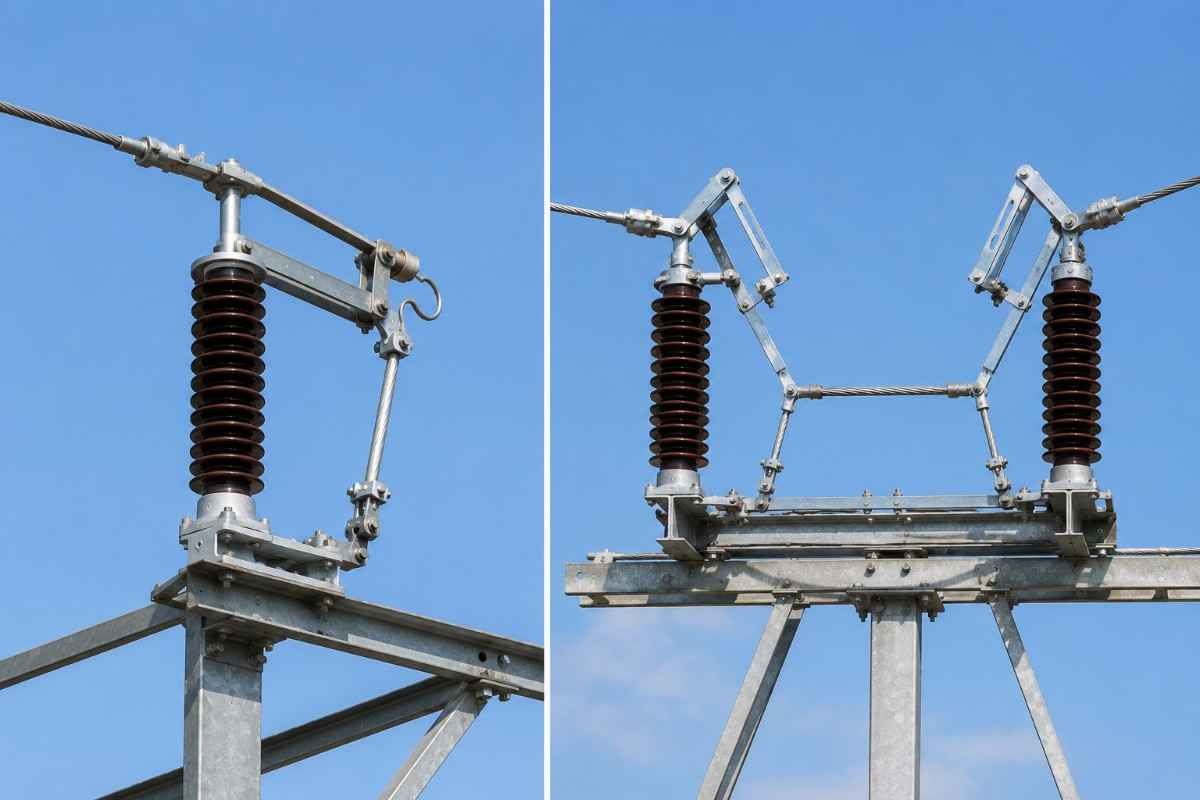
Air Break Switches
Used in distribution systems and substations for isolating circuits in open-air installations.
Common applications
- Utility substations
- Overhead distribution networks
Load Break Switches
Designed to interrupt load currents safely during normal operation.
Common applications
- Medium-voltage distribution systems
- Industrial electrical networks
Fuse Break Switches
These switches combine switching and fuse protection in one unit.
Common applications
- Industrial control panels
- Commercial electrical systems
Outdoor Break Switches
Built for harsh environmental conditions and transmission infrastructure.
Common applications
- Transmission lines
- Utility power systems
Features That Define High-Quality Break Switches
Not all break switches offer the same reliability. Industrial buyers should carefully evaluate product quality before selection.
High Electrical Endurance
The switch should withstand repeated operations without performance degradation.
Strong Mechanical Construction
Durable mechanical systems ensure long service life under continuous industrial use.
Efficient Arc Control
High-quality switches minimize arc formation during switching operations, improving safety and reducing wear.
Reliable Contact System
Low-resistance electrical contacts reduce overheating and improve energy efficiency.
Compliance with Standards
Trusted manufacturers design products according to recognized standards such as:
- IEC standards
- IS standards
- Utility specifications
Compliance improves reliability and operational safety.
Industries That Heavily Depend on Break Switches
Power Distribution Companies
Utility companies use break switches extensively in substations and feeder networks for maintenance and fault isolation.
Manufacturing Industries
Factories rely on break switches to isolate heavy machinery and electrical systems safely.
Industries include:
- Steel plants
- Cement factories
- Automotive manufacturing
- Textile industries
Renewable Energy Projects
Solar and wind power installations require dependable switching systems for safe operation and maintenance.
Railway Infrastructure
Railway electrification systems use break switches for power isolation and network safety.
Commercial Infrastructure
Large commercial facilities use break switches in:
- Electrical panels
- Backup power systems
- HVAC systems
- Building automation networks
Common Mistakes Buyers Make While Selecting Break Switches
Choosing Based Only on Current Rating
Many buyers ignore factors such as fault withstand capacity and environmental suitability.
Ignoring Installation Conditions
Outdoor installations require weather-resistant equipment with proper insulation.
Selecting Non-Certified Products
Low-quality products may fail during fault conditions, creating safety risks.
Overlooking Maintenance Accessibility
Poorly designed switches can increase maintenance complexity and downtime.
Not Verifying Manufacturer Reputation
Experienced manufacturers usually offer better quality control, testing, and technical support.
Buyer’s Checklist for Selecting the Right Break Switches
Before purchasing break switches, industrial buyers should verify:
| Selection Factor | Why It Matters |
|---|---|
| Voltage Rating | Ensures compatibility with the system |
| Current Capacity | Supports operational load safely |
| Fault Withstand Strength | Protects during abnormal conditions |
| Environmental Suitability | Improves outdoor durability |
| Safety Compliance | Ensures reliable operation |
| Manufacturer Experience | Reduces operational risk |
This checklist helps procurement teams make informed decisions for long-term reliability.
Why Industries Trust SPKN India
SPKN India is recognized as a trusted industrial electrical equipment manufacturer and supplier in India.
The company supports utilities, industrial facilities, EPC contractors, and infrastructure projects with dependable electrical solutions designed for demanding operating environments.
Strong Industry Experience
SPKN India understands the practical challenges faced by Indian power and industrial sectors.
Their solutions are engineered for:
- Reliability
- Operational safety
- Long service life
- Consistent performance
Focus on Product Quality
Products are manufactured using durable materials and tested for dependable electrical performance.
This helps industries reduce operational disruptions and improve equipment protection.
Standards-Compliant Manufacturing
SPKN India prioritizes compliance with recognized industry standards and quality practices.
This ensures reliable operation across industrial and utility applications.
Support Across Multiple Sectors
The company serves:
- Power transmission projects
- Distribution networks
- Industrial plants
- Renewable energy systems
- Infrastructure developments
Industry Trends Driving Demand for Better Break Switches
India's electrical infrastructure is expanding rapidly due to:
- Industrial growth
- Smart grid development
- Renewable energy integration
- Urban infrastructure expansion
As systems become more advanced, the demand for reliable switching equipment continues to grow.
Modern break switches are increasingly designed with:
- Improved arc suppression
- Enhanced automation compatibility
- Compact designs
- Better environmental protection
- Smart monitoring capability
Industries investing in advanced switching systems are better prepared for future operational demands.
Conclusion
Reliable electrical protection is essential for every industrial and commercial power system, and break switches play a major role in ensuring operational safety and system stability.
From isolating faulty circuits to supporting safe maintenance operations, high-quality break switches help industries reduce downtime, protect equipment, and improve electrical reliability.
As India's industrial and infrastructure sectors continue to grow, the need for durable and standards-compliant switching equipment will only increase.
With strong manufacturing expertise, dependable product quality, and industry-focused solutions, SPKN India continues to support power distribution companies, EPC contractors, and industrial buyers with reliable electrical equipment built for demanding applications.
If your organization is planning to strengthen electrical infrastructure, investing in high-quality break switches is a smart step toward long-term operational safety and efficiency.