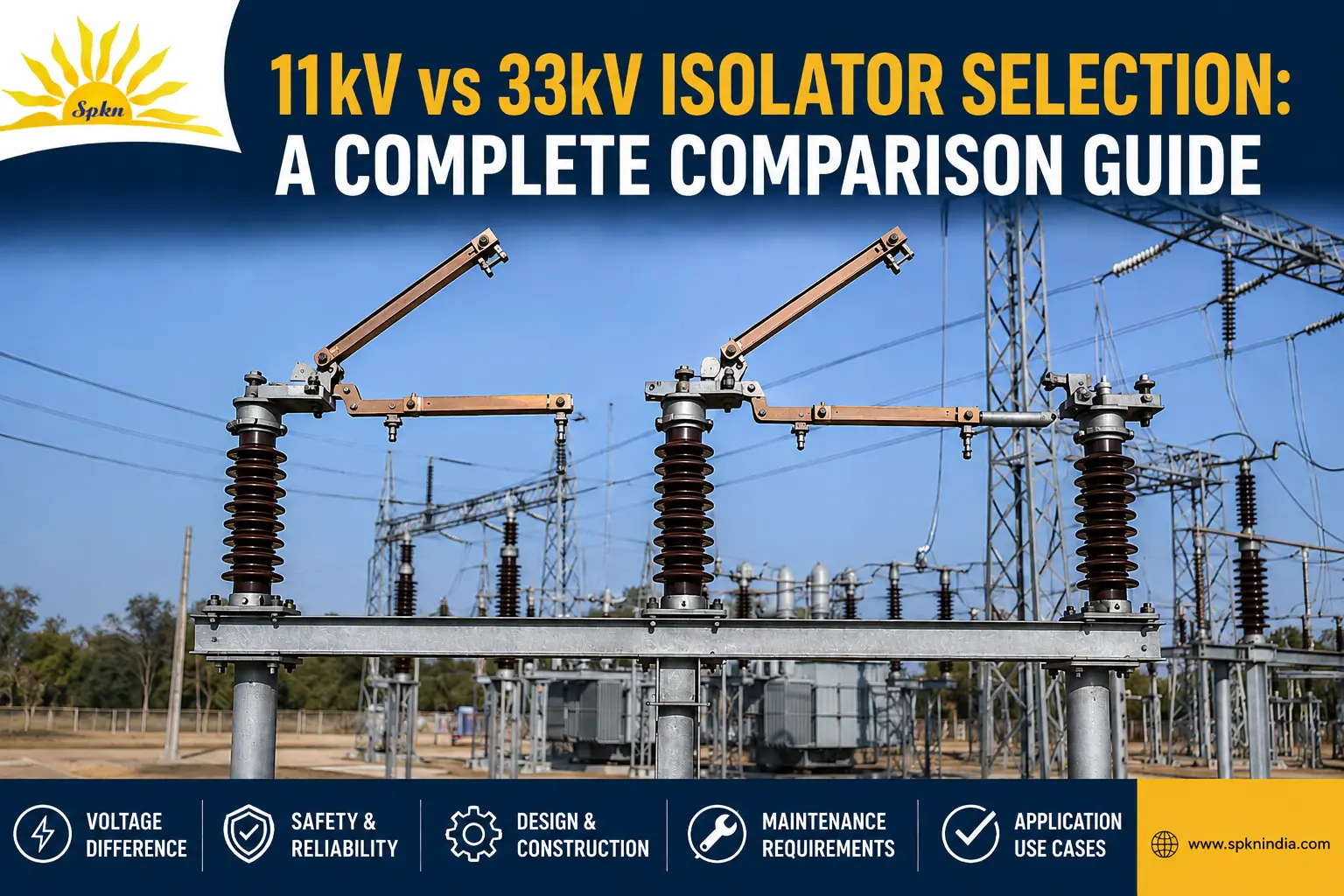
In the world of electrical power distribution, safety and control are everything. Whether electricity is flowing through a factory, a substation, or a local distribution line, engineers need reliable equipment to switch power ON and OFF safely. One such important device is the Air Break Switch.
In this blog, Spkn India explains how Air Break Switches work in simple terms, so even non-technical readers can understand their purpose, working principle, and importance. We will also cover Air Break Distribution Switches, Air Break Switch substations, and Air Break Switch electrical applications in a clear, easy-to-read, and practical way.
What Is an Air Break Switch?
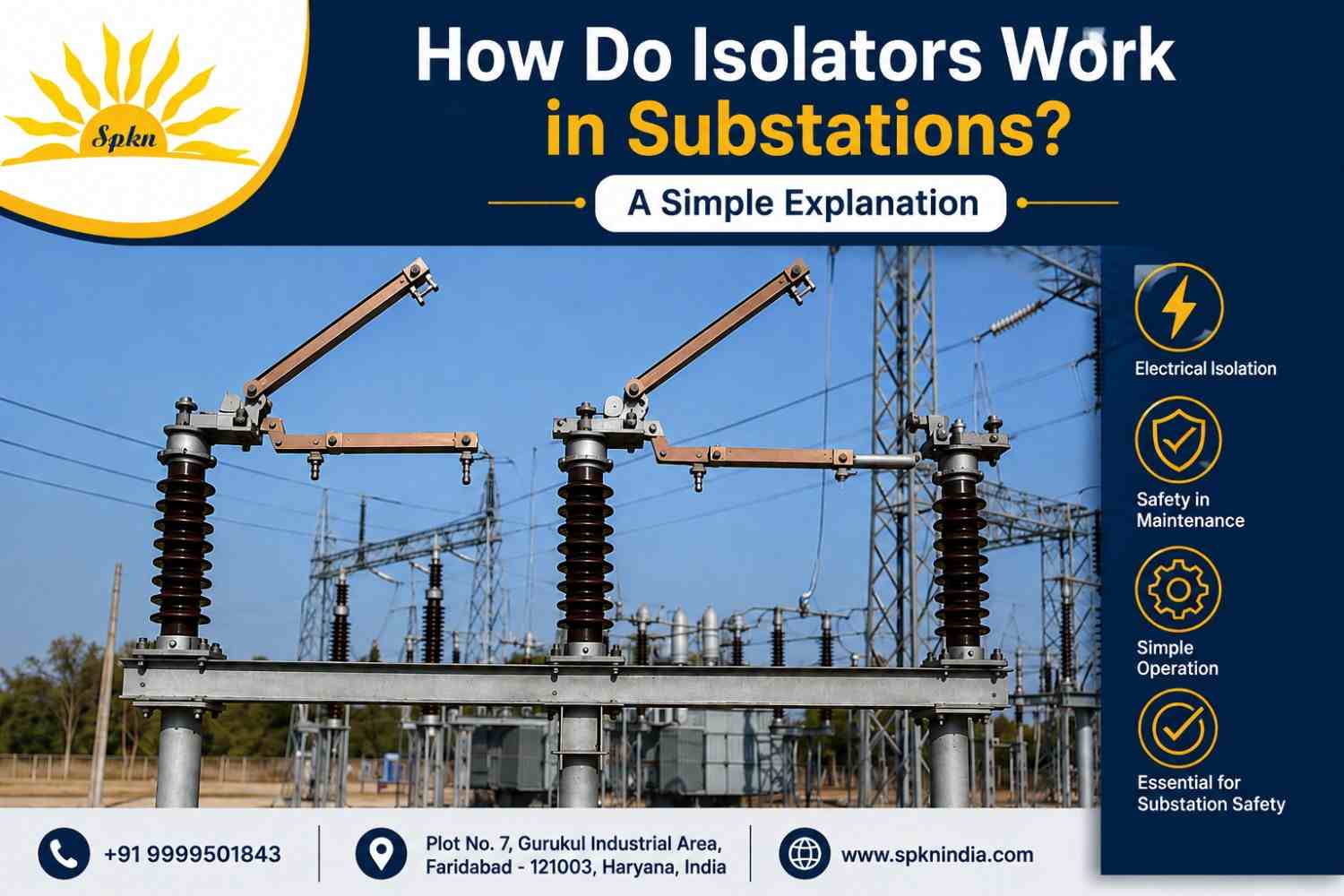
An Air Break Switch electrical device is a mechanical switch used in power systems to disconnect or isolate electrical circuits. As the name suggests, it uses air as the insulating medium to break the circuit when the switch opens.
In simple words:
-
When the switch is ON, electricity flows normally
-
When the switch is OFF, the contact opens in air, stopping electricity safely
These switches are widely used in medium and high voltage systems, especially in air break switch substations and overhead distribution lines.
Why Are Air Break Switches Important?
Electricity cannot be seen, but it can be extremely dangerous. Air Break Switches play a vital role by:
-
Ensuring safe isolation of power lines
-
Protecting maintenance workers
-
Preventing damage to equipment
-
Allowing easy manual or motorized operation
In power distribution networks, Air Break Distribution Switches help operators control the flow of electricity without interrupting the entire system.
Basic Components of an Air Break Switch
To understand how an Air Break Switch works, let’s first look at its main parts:
1. Fixed Contact
This is the stationary part connected to the power line.
2. Moving Contact (Blade)
This part moves to make or break the electrical connection.
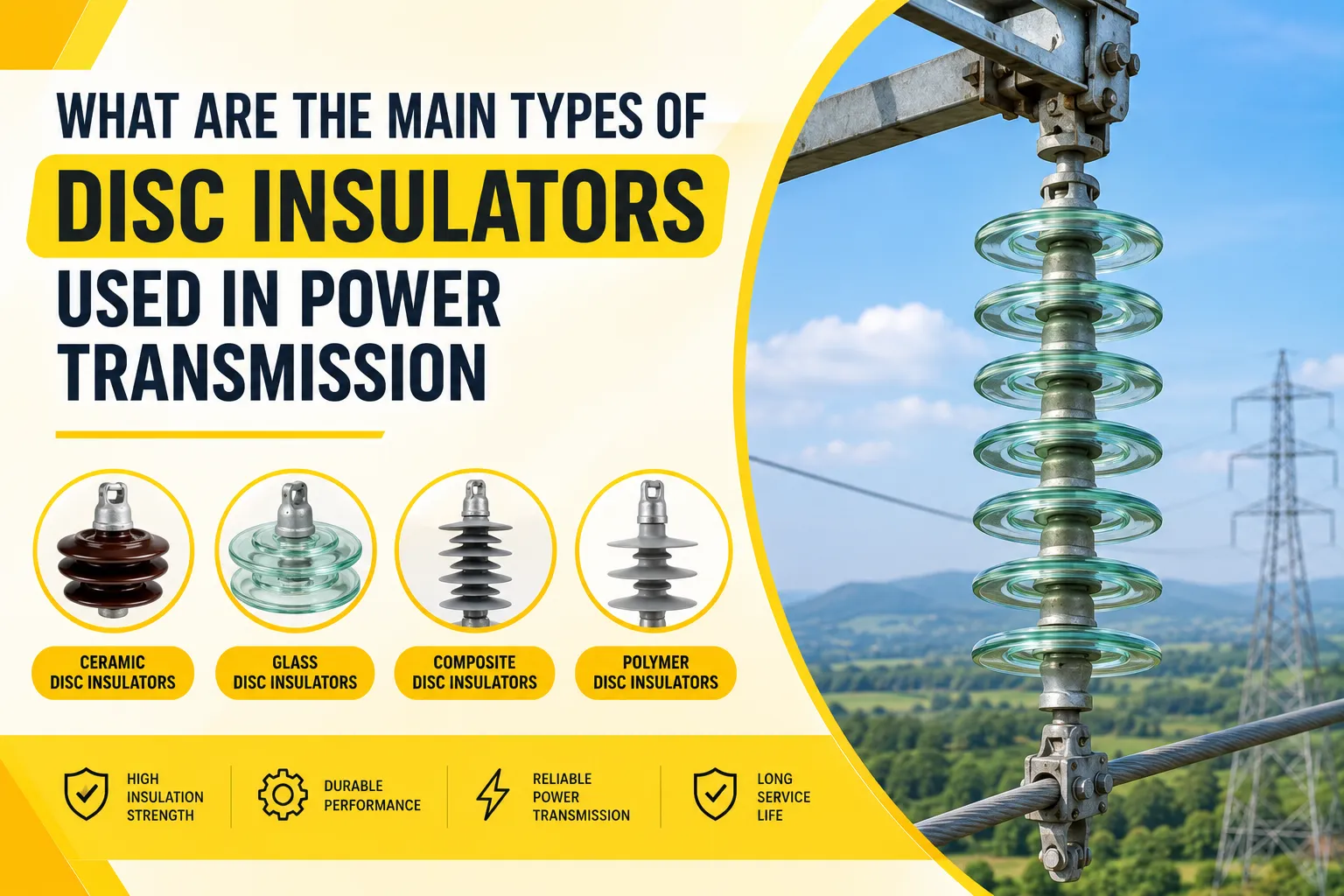
3. Insulators
These prevent leakage of current to the supporting structure and ensure safety.
4. Operating Mechanism
This allows the switch to open or close manually or automatically.
5. Arc Horns (in some designs)
These help control and extinguish electrical arcs when the switch opens.
How Air Break Switches Work – Step by Step
Let’s explain the working in simple, real-life terms.
Step 1: Switch in ON Position
When the Air Break Switch is closed, the moving contact firmly touches the fixed contact. Electricity flows smoothly through the switch without interruption.
Step 2: Opening the Switch
When the switch is operated (manually or electrically), the moving contact starts separating from the fixed contact.
Step 3: Arc Formation
As the contacts separate, an electric arc forms due to high voltage. This arc is visible as a spark.
Step 4: Arc Extinction in Air
Because air is used as the insulating medium, the arc stretches and cools quickly until it is completely extinguished.
Step 5: Circuit Is Isolated
Once the arc disappears, the circuit is fully broken, and the power supply is safely disconnected.
This simple mechanism makes the Air Break Switch electrical system reliable and easy to maintain.
Air Break Distribution Switches – Explained Simply
Air Break Distribution Switches are specially designed for overhead distribution networks. These switches are commonly installed on poles and help isolate specific sections of a power line.
Why They Are Used in Distribution Lines:
-
Easy to operate during faults
-
Help restore power quickly to healthy sections
-
Reduce downtime for consumers
For example, if a fault occurs in one area, the Air Break Distribution Switch can isolate that section while keeping electricity flowing to other areas.
Role of Air Break Switch in Substations
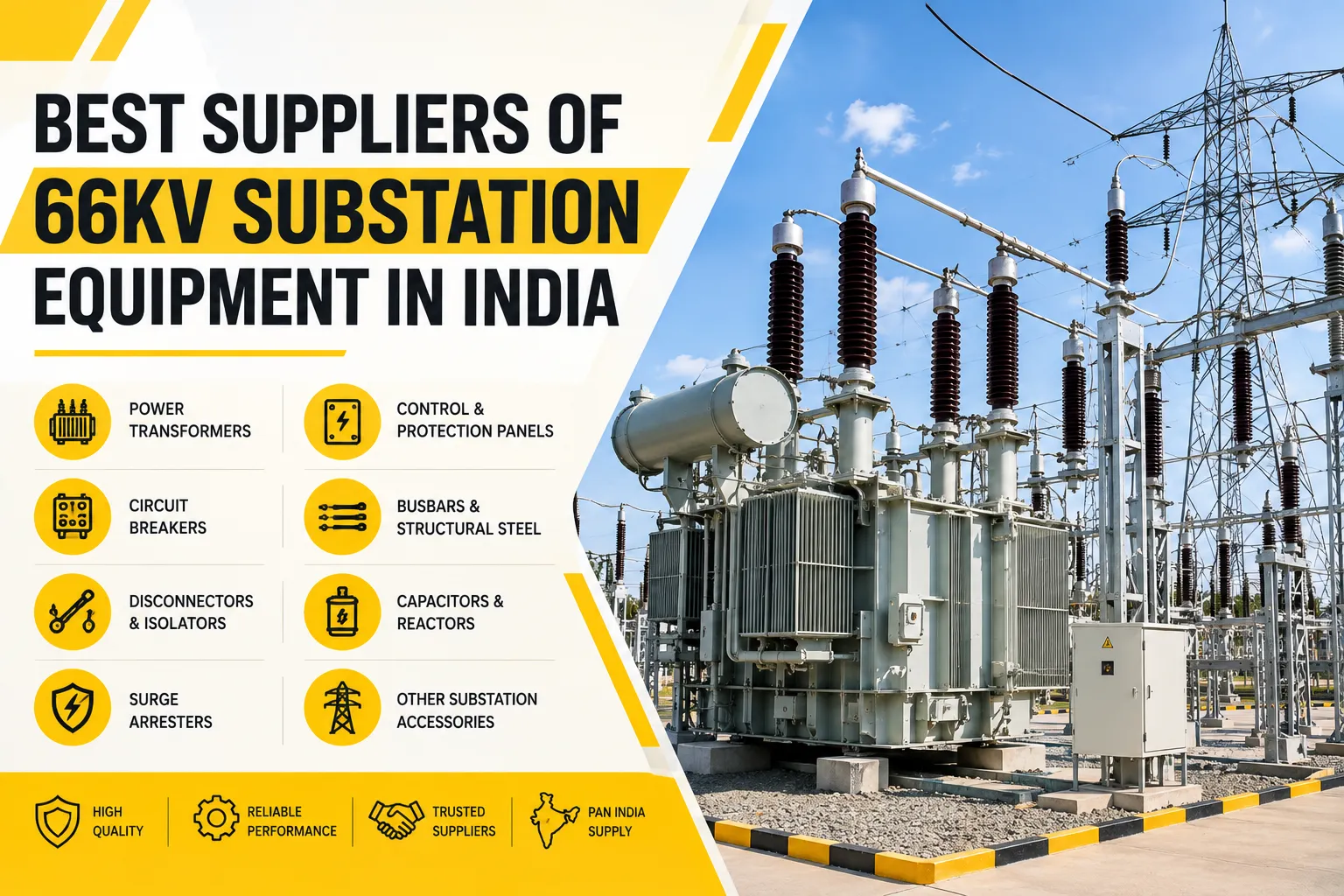
An Air Break Switch substation application is extremely common. In substations, these switches are used to:
-
Isolate transformers
-
Disconnect feeders
-
Ensure safe maintenance work
-
Provide visible isolation
Unlike circuit breakers, Air Break Switches are not designed to break heavy fault currents. Instead, they are used when the load is already minimal or disconnected.
This makes them a critical safety component in substation design.
Types of Air Break Switches
1. Single Break Air Switch
Has one contact break per phase and is used in simpler systems.
2. Double Break Air Switch
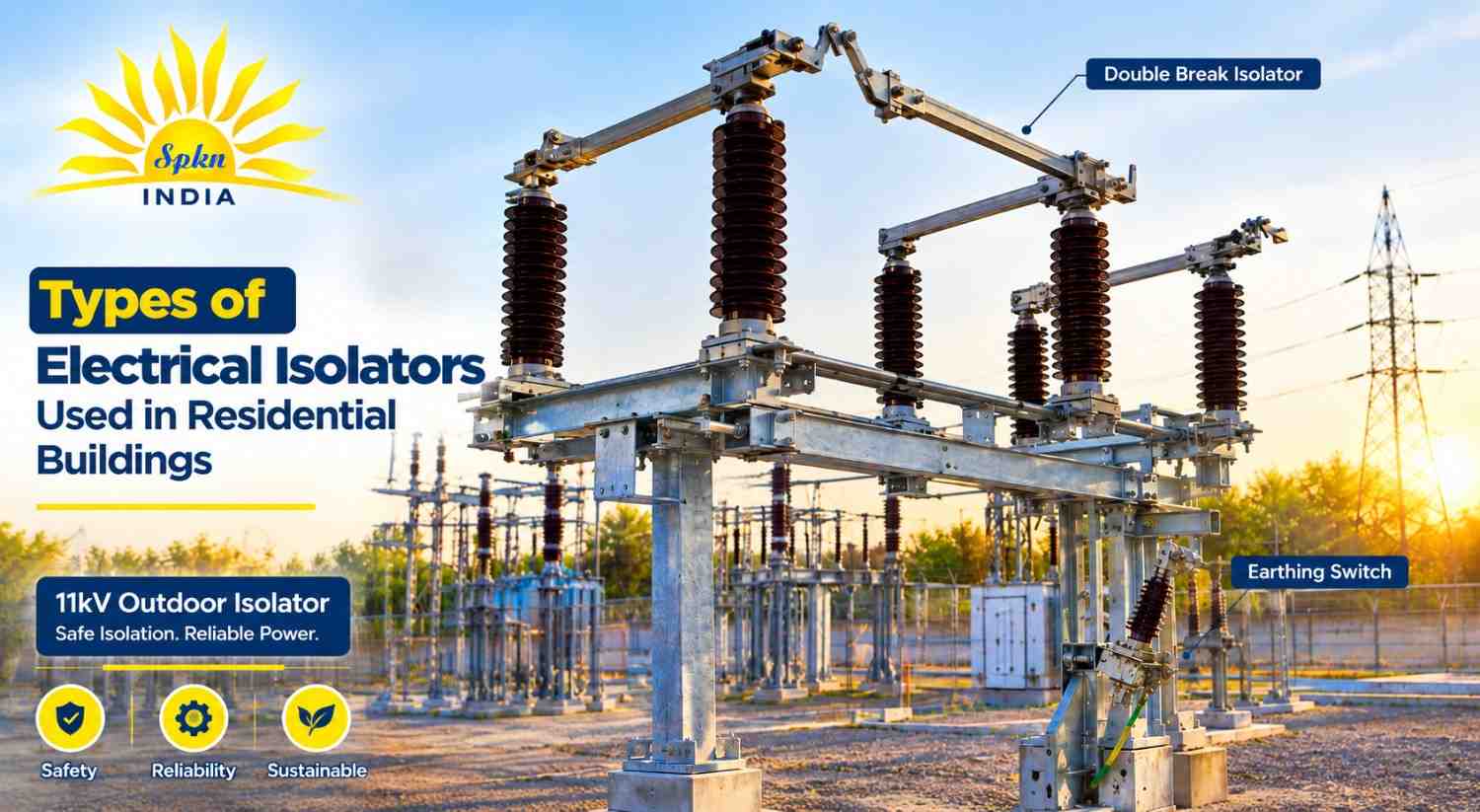
Provides better arc control and is used in higher voltage applications.
3. Vertical Break Switch
Contacts move vertically and require less horizontal space.
4. Horizontal Break Switch
Contacts move horizontally and are commonly used in outdoor substations.
Where Are Air Break Switches Commonly Used?
Air Break Switch electrical systems are widely used in:
-
Power substations
-
Industrial plants
-
Transmission and distribution lines
-
Electrical panels
-
Renewable energy projects
Their simple design and reliability make them suitable for both urban and rural power networks.
Advantages of Air Break Switches
Air Break Switches offer many practical benefits:
-
Simple construction
-
Low maintenance cost
-
Easy installation
-
Clear visual isolation
-
Long service life
These advantages explain why they are still widely used despite the availability of modern switching technologies.
Limitations You Should Know
While Air Break Switches are highly useful, they do have some limitations:
-
Not suitable for breaking heavy fault currents
-
Arc formation can cause wear over time
-
Limited automation compared to circuit breakers
That’s why they are often used alongside protective devices.
Safety Tips While Using Air Break Switches
Safety is critical in electrical systems. Always remember:
-
Never operate under full load unless designed for it
-
Ensure proper earthing
-
Regularly inspect contacts and insulators
-
Follow standard operating procedures
Using quality products from trusted manufacturers like Spkn India ensures better performance and safety.
How Spkn India Ensures Quality in Air Break Switches
At Spkn India, every Air Break Switch is designed with:
-
High-grade insulating materials
-
Precision-engineered contacts
-
Strong mechanical structure
-
Compliance with industry standards
This ensures reliable operation in air break switch substations, industrial environments, and distribution networks across India.
Why Understanding Air Break Switches Matters
For engineers, technicians, and decision-makers, understanding how Air Break Switches work helps in:
-
Choosing the right equipment
-
Improving system reliability
-
Ensuring worker safety
-
Reducing downtime
Even for non-technical readers, this knowledge builds confidence when dealing with electrical infrastructure.
Final Thoughts
Air Break Switches may look simple, but they play a powerful role in electrical systems. By using air as the insulating medium, they provide safe, visible, and reliable isolation in substations and distribution networks.
Whether it’s Air Break Distribution Switches, Air Break Switch substation applications, or general Air Break Switch electrical systems, these devices remain a backbone of power infrastructure.
With trusted manufacturers like Spkn India, industries and utilities can rely on durable, efficient, and safe switching solutions that stand the test of time.