Power distribution systems rely on components that most people never notice. One of them is the 11kV polymer pin insulator, and trust me, it plays a bigger role than it looks.
I’ve worked on distribution line projects where a single faulty insulator caused repeated outages. Once we switched to high-quality polymer pin insulators, the difference was immediate. Fewer failures. Better reliability.
If you’re dealing with 11kV lines, this is something you should understand properly.
What Is an 11kV Polymer Pin Insulator?
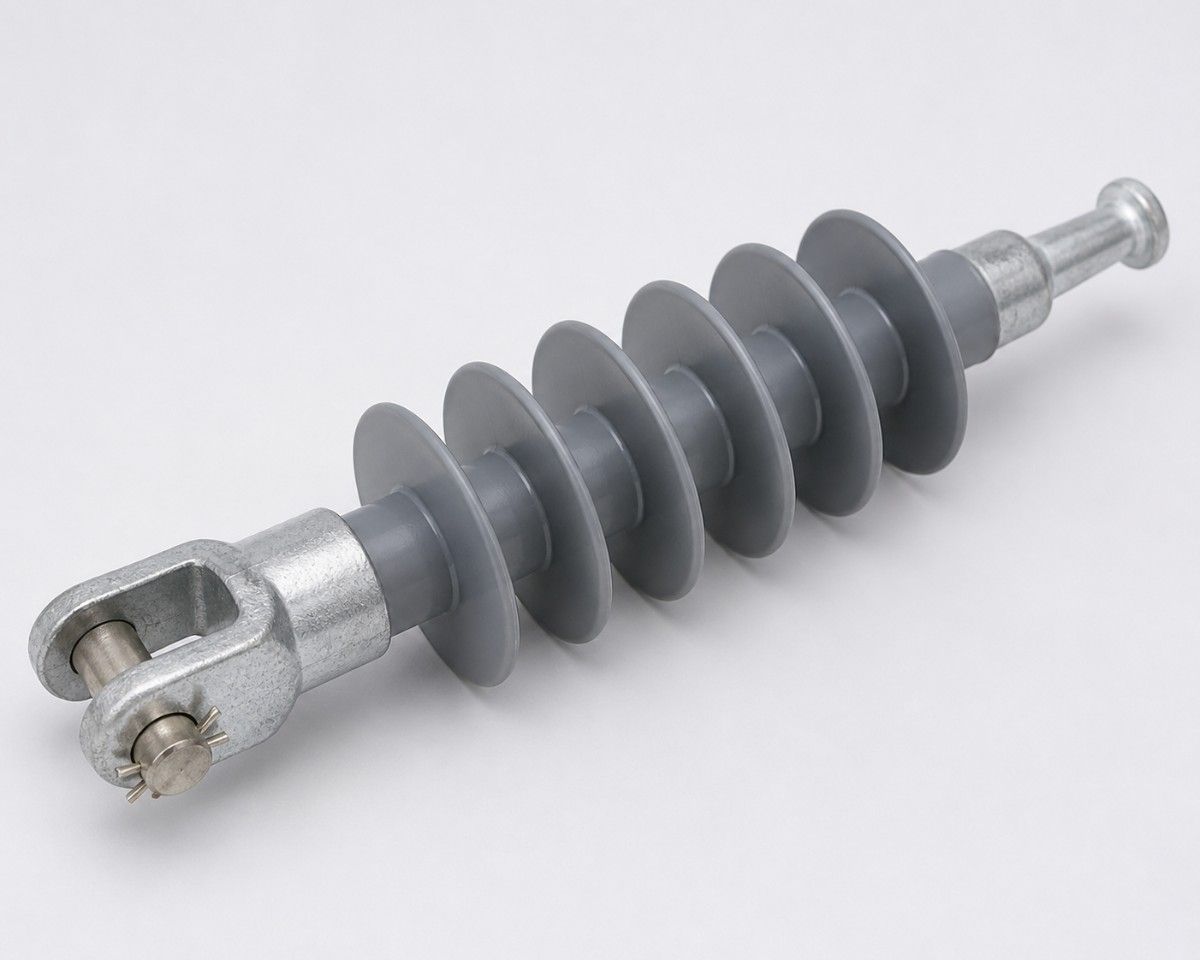
An 11kV polymer pin insulator is a type of electrical insulator used to support and isolate conductors in medium voltage distribution systems.
Unlike traditional porcelain insulators, it is made from composite materials like fiberglass core and silicone rubber housing. This combination offers both mechanical strength and excellent insulation.
Think of it as a lightweight but tough barrier that keeps electricity flowing safely along its intended path.
Why Polymer Insulators Are Replacing Porcelain
For decades, porcelain dominated the industry. But things are changing.
In my experience, polymer insulators are becoming the preferred choice for 11kV systems, especially in challenging environments.
Key Reasons:
- Lightweight and easy to handle
- Better resistance to pollution and moisture
- Higher impact resistance
- Reduced risk of breakage
A study published by IEEE highlighted that polymer insulators show improved performance in polluted environments compared to ceramic types.
That’s a big deal for urban and industrial areas.
Construction of 11kV Polymer Pin Insulator
Understanding the structure helps you appreciate its performance.
Main Components:
- Fiberglass Reinforced Core (FRP Rod)
Provides mechanical strength - Silicone Rubber Housing
Offers excellent insulation and weather resistance - Metal End Fittings
Ensure secure mounting and electrical stability
I’ve noticed that high-quality materials make a huge difference in long-term performance.
Key Features of 11kV Polymer Pin Insulator
Let’s keep it practical. What makes this insulator stand out?
Important Features:
- High dielectric strength
- Excellent hydrophobic properties
- UV and weather resistance
- Lightweight design
- Long service life
When I tried installing these in a coastal region project, the performance was far better than older ceramic units.
Benefits of Using 11kV Polymer Pin Insulator
Switching to polymer insulators is not just a trend. It brings real advantages.
Major Benefits:
- Reduced maintenance requirements
- Improved system reliability
- Lower risk of flashover
- Easy installation and replacement
- Better performance in polluted areas
In my experience, maintenance teams appreciate polymer insulators because they require less frequent cleaning.
Applications of 11kV Polymer Pin Insulator
You’ll find 11kV polymer pin insulator widely used in various sectors.
Common Applications:
- Overhead distribution lines
- Urban power networks
- Industrial power supply systems
- Rural electrification projects
They are especially useful in areas with high pollution or humidity.
Polymer vs Porcelain Pin Insulators
This is a common comparison. Let’s simplify it.
| Feature | Polymer Insulator | Porcelain Insulator |
|---|---|---|
| Weight | Lightweight | Heavy |
| Durability | High impact resistance | Brittle |
| Maintenance | Low | Moderate |
| Pollution Performance | Excellent | Average |
| Lifespan | Long | Long |
In my experience, polymer wins in environments where contamination is a concern.
How to Choose the Right 11kV Polymer Pin Insulator
Choosing the right insulator is not just about voltage rating.
Factors to Consider:
- Environmental conditions
- Mechanical load requirements
- Pollution level
- Installation location
- Quality standards compliance
For example, industrial zones require insulators with higher resistance to chemical exposure.
Installation Best Practices
Even the best insulator can fail if installed incorrectly.
Follow These Tips:
- Ensure proper tightening on the pin
- Avoid excessive mechanical stress
- Maintain correct alignment
- Use compatible fittings
I’ve noticed that proper installation significantly increases lifespan.
Maintenance Tips That Actually Work
Polymer insulators are low-maintenance, but not maintenance-free.
Simple Checklist:
- Inspect for surface damage
- Check fittings and connections
- Clean if heavy contamination is visible
- Monitor for aging signs
In my experience, periodic inspection once a year is usually enough.
Common Problems and Solutions
Surface Tracking
Occurs due to contamination
Solution: Use high-quality silicone rubber
Mechanical Damage
Caused by improper handling
Solution: Careful installation
Aging Issues
Rare but possible
Solution: Regular inspection
Why Quality Matters
Not all polymer insulators perform the same.
A low-quality insulator can lead to:
- Frequent outages
- Increased maintenance
- Safety risks
That’s why choosing a trusted manufacturer is important.
Why SPKN India Is a Trusted Choice
When it comes to reliable electrical components, SPKN India offers high-quality insulators designed for Indian conditions.
- Durable and tested products
- Advanced manufacturing processes
- Suitable for diverse environments
From what I’ve seen, using products from SPKN India ensures better performance and fewer failures over time.
Real-World Example
I once worked on a distribution project where porcelain insulators kept failing due to pollution buildup.
After switching to 11kV polymer pin insulator, the issue was resolved. Maintenance dropped, and reliability improved significantly.
That one upgrade made a noticeable difference.
Expert Insight
According to industry experts, polymer insulators can reduce maintenance costs by up to 30% in polluted environments.
That is a strong reason why utilities are shifting towards composite solutions.
Future of Polymer Insulators
Technology is evolving rapidly.
Modern polymer insulators now offer:
- Improved material quality
- Longer service life
- Better environmental resistance
The demand for 11kV polymer pin insulator is expected to grow as power networks expand.
Final Thoughts
The 11kV polymer pin insulator may look simple, but it is critical for reliable power distribution.
If you want better performance, lower maintenance, and long-term durability, polymer insulators are a smart choice.
From my experience, upgrading to high-quality insulators is one of the easiest ways to improve system reliability.