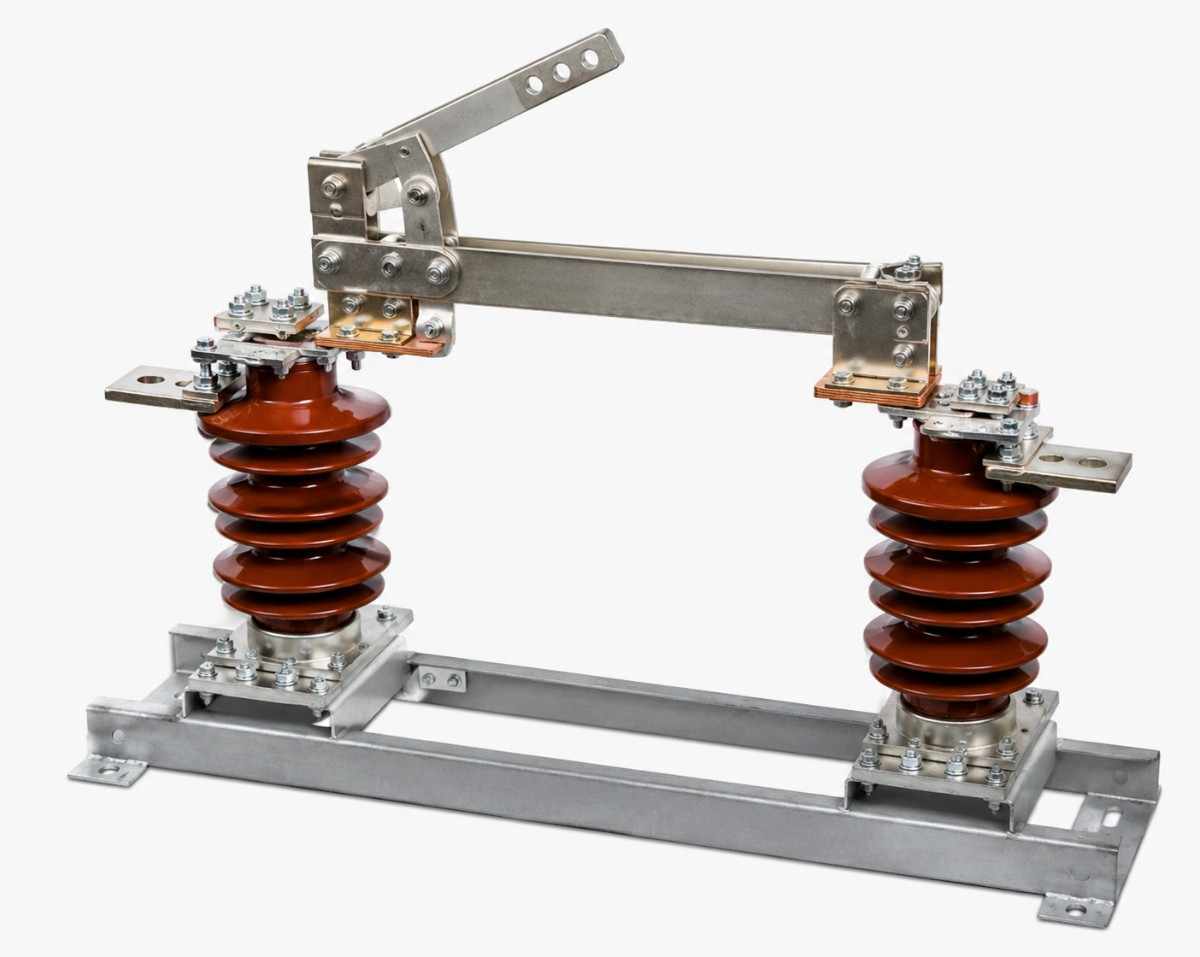
Over the years working closely with electrical engineers, panel builders, and procurement teams, I've noticed one thing again and again: people get stuck comparing numbers without understanding what's behind them. A 63 amp isolator isn't a single, standardized product. It's a category, and within that category, the differences in build quality, certification, and design can be massive.
So instead of throwing a figure at you and calling it a day, let's actually walk through what shapes the cost of a 63 amp isolator switch, what to watch for, and how to make a decision you won't regret six months down the line.
What Influences 63 Amp Isolator Price the Most
Think about buying a bicycle. A basic single-speed model and a high-end touring bike can both technically get you from point A to point B, but they're built for completely different demands. Isolator switches work the same way.
Here's what actually drives the variation in cost:
- Contact material (copper performs better than aluminum under continuous load)
- Pole configuration (2-pole, 3-pole, or 4-pole units)
- Enclosure protection rating (IP54, IP65, IP66, depending on environment)
- Certification compliance (IS and IEC standards)
- Switching mechanism durability (rotary vs. lever-operated designs)
- Brand reliability and warranty terms
When I worked through a sourcing project for a mid-sized manufacturing client, the spread between a basic-spec isolator and a fully certified, industrial-grade one was wider than the client initially expected. It wasn't arbitrary. Every difference traced back to one of these factors.
Why Amperage Rating Alone Doesn't Tell You Much
Here's something that trips up a lot of buyers: assuming "63 amp" means the same thing across every brand and model. It doesn't.
A 63 amp rating tells you the maximum continuous current the switch can safely handle. It says nothing about contact quality, how the switch behaves under fault conditions, or how long it'll last in a dusty, humid industrial environment.
In my experience, the isolators that hold up best over years of use are the ones where the manufacturer didn't just hit the amperage number, they engineered around it with proper thermal management and contact design.
Certification and Safety: The Part Buyers Often Skip
I get why people skip this step. Certification documents aren't exciting. But skipping this check is one of the most common mistakes I've seen in industrial procurement.
An isolator switch that complies with IS 13947 or relevant IEC 60947 standards has been tested for things like short-circuit withstand capacity and insulation resistance. That's not a formality, it's the difference between a switch that protects your circuit and one that becomes a liability.
According to a report published by the Bureau of Indian Standards on low-voltage switchgear compliance, a notable share of electrical failures in industrial settings trace back to non-certified or improperly rated switching devices. That single data point alone should change how you shop.
A Quick Story Worth Sharing
A friend of mine who runs a small fabrication unit once swapped out a certified isolator for a cheaper, unbranded alternative to save a bit during a tight quarter. Within four months, the unit overheated under sustained load and had to be replaced anyway.
He ended up spending more overall, not less, once you factor in the downtime and the second purchase. It's a pattern I've seen repeat itself more times than I'd like.
How SPKN India Thinks About Isolator Pricing
At SPKN India, we don't believe in quoting numbers without context. Every isolator switch we supply comes with clear documentation on build materials, certification, and recommended use cases, so you're never guessing what you're paying for.
We work with EPC contractors, panel builders, and procurement managers across multiple industries, and the question we hear most often isn't really about price. It's about confidence: will this unit perform reliably once it's installed?
When someone asks us about 63 amp isolator price ranges, we always start with their application. A rooftop solar installation has very different needs than a heavy machinery panel on a factory floor, and that shapes everything downstream.
Questions to Ask Before You Commit
Before finalizing your purchase, run through this short checklist:
- Is the isolator certified to relevant IS or IEC standards?
- What's the IP rating, and does it suit your installation environment?
- Are the contacts copper or aluminum, and does that match your load profile?
- What warranty period and after-sales support is included?
- Can the supplier share technical datasheets on request?
If a supplier hesitates on any of these, treat that as useful information in itself.
Matching the Isolator to Your Actual Use Case
Not every project calls for the same configuration, and this is where a lot of buyers either overspend or underspend without realizing it.
- Solar and renewable installations often need weatherproof, UV-resistant enclosures
- Motor control panels typically require isolators rated for frequent switching cycles
- Main distribution boards prioritize continuous load handling and thermal stability
- Outdoor industrial setups need higher IP ratings and corrosion-resistant housing
I've noticed that buyers who take the time to match these details to their actual site conditions almost always end up happier with their purchase than those who chase the lowest number on a quote sheet.
Common Pitfalls When Comparing Quotes
Let's talk about a few mistakes that come up constantly when people are comparing 63 amp isolator price quotes from different suppliers.
Comparing apples to oranges. A 2-pole isolator and a 4-pole isolator aren't directly comparable, even at the same amperage. Make sure you're comparing like-for-like specs.
Ignoring installation costs. Mounting hardware, panel modifications, and labor all add to the real cost of getting an isolator into service. The unit itself is only part of the equation.
Overlooking after-sales support. A switch that fails two years in is far less of a headache if your supplier offers responsive support and easy replacement parts.
When I tried sourcing components independently for a small workshop years back, I underestimated how much these secondary factors mattered. It taught me to look at total value, not just the number on the invoice.
Final Thoughts on Making a Confident Choice
The honest truth about 63 amp isolator price is that it only becomes useful information once you understand the variables behind it. A number on its own tells you almost nothing about reliability, safety, or how long the unit will actually last.
Ask questions. Compare certifications, not just amperage ratings. And work with a supplier who's willing to explain the "why" behind their recommendations instead of just pushing a quote your way.
SPKN India has spent years helping engineers and procurement teams navigate exactly this kind of decision, and the pattern holds steady: the buyers who ask the right questions upfront are the ones who avoid costly surprises later.