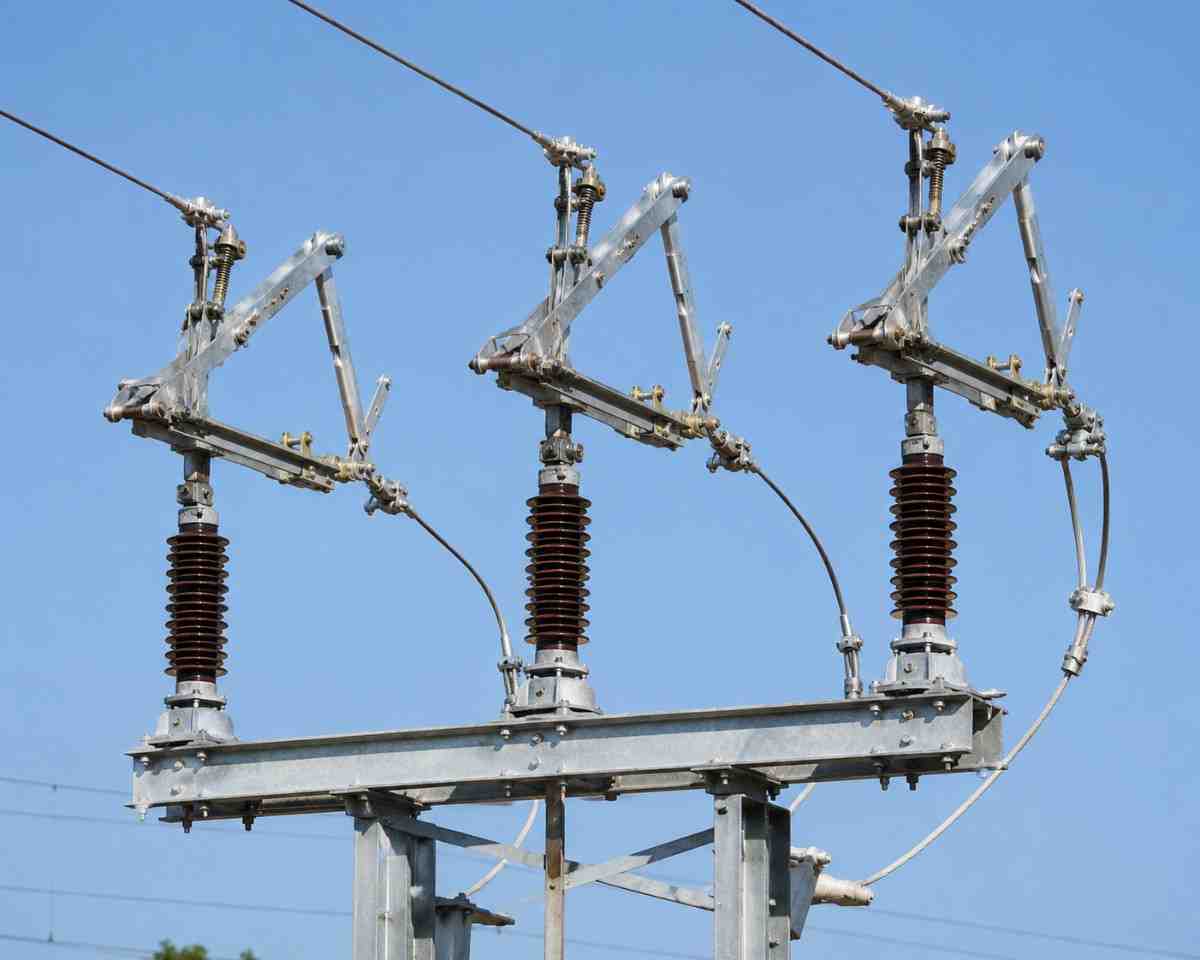
An air break switch is designed to safely interrupt electrical circuits using air as the insulating and arc-extinguishing medium. Simple idea. Massive impact.
From substations and industrial plants to power distribution networks, these switches play a critical role in keeping electrical systems safe, stable, and easy to maintain.
At SPKN India, industrial electrical equipment is engineered to handle demanding operational conditions where reliability cannot be compromised.
What Is an Air Break Switch?
An air break switch is an electrical switching device used to open or close electrical circuits under load conditions. Unlike oil-based or vacuum switching systems, it uses atmospheric air to extinguish the arc created during switching operations.
When the contacts separate, an electrical arc forms between them. The surrounding air cools and extinguishes that arc, allowing the circuit to disconnect safely.
You will commonly find air break switches in:
- Power distribution systems
- Industrial substations
- Transformer yards
- Electrical utility networks
- Manufacturing plants
- Outdoor electrical installations
- Renewable energy projects
These switches are especially popular because they are relatively simple, durable, and easy to maintain.
Why Air Break Switches Are Important
Electrical systems need more than just power delivery. They need controlled operation and protection.
An air break switch helps operators isolate sections of the electrical network during maintenance, emergencies, or fault conditions. Without proper switching equipment, even minor electrical work could become dangerous.
I have noticed that facilities with well-designed switching systems experience fewer shutdown-related issues and smoother maintenance operations overall.
Key Advantages Include
- Safe circuit isolation
- Reliable load switching
- Reduced maintenance complexity
- Improved operator safety
- Better system flexibility
- Enhanced fault management
In industrial environments, these benefits are not optional. They directly affect operational continuity.
How an Air Break Switch Works
The working principle is fairly straightforward.
When the switch contacts separate, an electrical arc forms because current still attempts to flow through the air gap. The switch design increases the distance between contacts rapidly, while the surrounding air cools and extinguishes the arc.
Once the arc disappears, the electrical circuit is safely interrupted.
Here is the process in simple terms:
- The operator opens the switch
- Contacts separate
- An electrical arc forms briefly
- Air cools and extinguishes the arc
- Current flow stops completely
Modern air break switch systems are designed to perform this process safely and efficiently, even under demanding electrical loads.
Types of Air Break Switches
Different applications require different switch configurations. Choosing the correct type depends on voltage levels, operational needs, and installation conditions.
Gang Operated Air Break Switch
This type uses mechanically linked poles that operate together. It ensures simultaneous switching across all phases.
These are commonly used in outdoor substations and utility distribution systems.
Load Break Air Switch
Designed to interrupt electrical current while the circuit is carrying load. These switches are widely used where regular switching operations are required.
Isolator Type Air Break Switch
Primarily used for circuit isolation during maintenance activities. These are generally operated only after the circuit is de-energized.
Outdoor Air Break Switch
Built specifically for harsh environmental conditions such as rain, dust, heat, and pollution.
In my experience, outdoor installations demand particularly strong build quality because weather exposure affects long-term reliability more than many operators expect.
Major Components of an Air Break Switch
Understanding the basic parts helps explain how these systems maintain safe operation.
Fixed and Moving Contacts
These contacts connect and disconnect the electrical circuit during operation.
Arc Chutes
Help control and extinguish the electrical arc safely.
Insulators
Prevent unwanted current leakage and maintain electrical separation.
Operating Mechanism
Allows manual or motorized operation of the switch.
Mounting Structure
Supports the switch assembly and ensures mechanical stability.
Applications of Air Break Switches
An air break switch is widely used across multiple sectors because of its reliability and operational simplicity.
Industrial Manufacturing
Factories use air break switches to isolate heavy machinery and distribution systems safely.
Power Utilities
Electrical utilities rely on these switches for distribution control and feeder management.
Transformer Isolation
Used for disconnecting transformers during maintenance or fault conditions.
Commercial Infrastructure
Large commercial buildings often use air break switches within electrical distribution panels.
Renewable Energy Projects
Solar and wind power systems require dependable isolation and switching solutions.
I once visited a facility where outdated switching systems caused frequent maintenance delays because operators were uncomfortable working around unreliable isolation equipment. Upgrading to modern air break switches significantly improved both safety and operational confidence.
Benefits of Using High-Quality Air Break Switches
Not every switch performs equally under real operating conditions. Material quality and engineering standards matter a lot.
Better Electrical Safety
Reliable arc interruption reduces the risk of electrical accidents.
Long Operational Life
Industrial-grade components improve durability under repeated switching cycles.
Lower Maintenance Requirements
Good-quality switches are easier to inspect and maintain.
Stable Performance
Consistent operation helps avoid unnecessary power interruptions.
Resistance to Harsh Conditions
Outdoor-grade switches can withstand moisture, dust, and temperature variations.
According to electrical safety studies published by the Institute of Electrical and Electronics Engineers, proper isolation and switching equipment significantly reduce industrial electrical accident risks.
Air Break Switch vs Oil Circuit Breaker
These devices sometimes serve related purposes, but they operate differently.
| Feature | Air Break Switch | Oil Circuit Breaker |
|---|---|---|
| Arc Medium | Air | Oil |
| Maintenance | Lower | Higher |
| Complexity | Simpler | More complex |
| Environmental Concerns | Minimal | Oil handling required |
| Installation | Easier | More involved |
For many industrial applications, air break switches remain a practical and dependable solution.
How to Choose the Right Air Break Switch
Selecting the right switch requires careful evaluation of several technical factors.
Voltage Rating
Always match the switch to system voltage requirements.
Current Carrying Capacity
The switch must handle expected electrical loads safely.
Installation Environment
Outdoor installations require weather-resistant construction.
Switching Frequency
Frequent operation demands stronger mechanical durability.
Safety Standards
Use products that comply with recognized industry standards.
Mechanical Strength
Industrial environments can expose equipment to vibration and harsh operating conditions.
At SPKN India, air break switch solutions are designed with practical industrial performance in mind, not just theoretical specifications.
Maintenance Tips for Air Break Switches
Even reliable equipment benefits from regular inspection and preventive care.
Inspect Contacts Regularly
Worn contacts can reduce switching efficiency.
Clean Insulators
Dust and contamination may affect insulation performance.
Lubricate Moving Parts
Smooth operation helps prevent mechanical wear.
Check Alignment
Misaligned contacts can create excessive arcing.
Tighten Electrical Connections
Loose terminals may lead to overheating.
When I tried troubleshooting recurring switching issues at a utility installation, the root cause turned out to be neglected maintenance rather than switch failure itself. Regular inspections would have prevented weeks of operational headaches.
Why Industries Trust SPKN India
Electrical switching equipment must perform consistently under pressure. Industries cannot afford unreliable operation when safety and uptime are on the line.
SPKN India focuses on manufacturing dependable industrial electrical products built for demanding environments. The emphasis remains on quality construction, operational safety, and long-term reliability.
Industries choose SPKN India for:
- Durable industrial designs
- Consistent electrical performance
- Reliable switching operation
- Quality-focused manufacturing
- Technical expertise in power systems
The difference becomes obvious in real-world installations where equipment faces continuous operational stress.
The Future of Air Break Switch Technology
Electrical infrastructure is evolving rapidly. Modern power systems require safer, smarter, and more efficient switching solutions.
Manufacturers are improving:
- Arc control systems
- Contact materials
- Insulation technologies
- Compact switch designs
- Automation compatibility
As industries expand renewable energy usage and automated operations, dependable air break switch technology will continue playing an important role in safe power distribution.