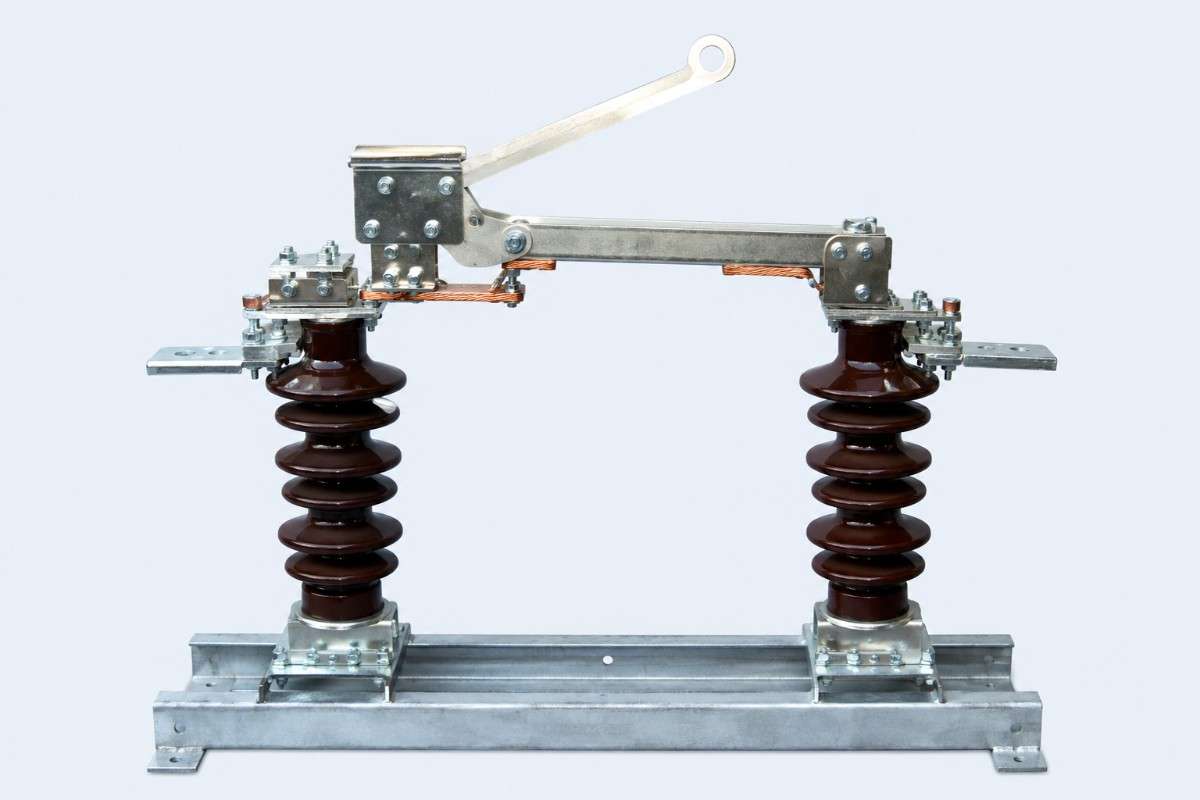
I've spent enough years around switchgear panels and electrical distribution boards to know that the price tag on an isolator switch rarely tells the whole story. Two isolators can look almost identical on a spec sheet and still perform completely differently once they're under real load. So before you get fixated on a number, let's talk about what actually determines what you pay and what you should be paying attention to instead.
Why the Isolator 63 Amp Price Varies So Much
Here's something I've noticed after talking to dozens of procurement managers and EPC contractors over the years: most price confusion comes from comparing isolators that aren't actually comparable.
A 63 amp isolator switch from one manufacturer might use thicker copper contacts, better arc-quenching design, and IP65-rated enclosures. Another might cut corners on materials to hit a lower number. Same amperage rating, completely different product underneath.
The factors that genuinely move the needle on cost include:
- Build material (copper vs. aluminum contacts)
- Enclosure rating (IP54 vs IP65 vs IP66)
- Number of poles (2-pole, 3-pole, or 4-pole configurations)
- Mounting type (panel mount, DIN rail, or surface mount)
- Certification standards (IS, IEC compliance)
- Brand reputation and after-sales support
When I worked through a batch comparison for a client last year, the spread between a basic unit and a fully certified, heavy-duty version was wider than most buyers expect. It wasn't because anyone was overcharging. It came down to what was inside the housing.
Material Quality Changes Everything
Copper contacts conduct better and resist heat buildup far longer than aluminum ones. That matters a lot when you're running a 63 amp load continuously in an industrial setting, not just switching it on and off occasionally.
In my experience, the isolators that fail prematurely are almost always the ones where someone tried to save a little upfront and ended up paying for it in downtime later. A burnt-out isolator on a production line doesn't just cost a replacement unit. It costs hours of stopped work.
Enclosure Rating Isn't Just a Number on a Sticker
If your isolator is sitting in a dusty workshop or anywhere near moisture, the IP rating isn't optional, it's the whole point. An IP65-rated isolator costs more than a basic IP54 unit, but it's also built to actually survive the environment you're putting it in.
I've seen plants in coastal areas lose isolators within months because someone installed a standard-rated unit where a sealed, weather-resistant one was needed. That's not a price problem. That's a spec mismatch.
What a Fair Isolator 63 Amp Price Should Reflect
There's no universal number that applies across India, because regional logistics, raw material costs, and order volume all play a role. But there are signs of a fair, honest quote versus one that's either inflated or suspiciously low.
A trustworthy quote usually accounts for:
- Compliance with IS/IEC standards — this isn't negotiable for industrial use
- Warranty terms — anything without a warranty should raise questions
- Load testing documentation — proof the unit handles its rated capacity safely
- Installation support — whether the supplier helps with technical guidance
According to industry data compiled by the Indian Electrical and Electronics Manufacturers' Association, demand for certified low-voltage switching devices has grown steadily as more EPC contractors prioritize compliance over cutting corners. That shift tells you something: buyers are getting smarter about what they're really paying for.
Why Cheaper Isn't Always Smarter
I get it. When you're managing a tight project budget, the lowest quote is tempting. But I've watched teams replace a "budget" isolator twice within a year, which ends up costing more than buying a properly certified unit once.
Think of it like buying tires for a delivery truck. The cheap set might save you money on day one, but if they wear out in half the time, you're back at the shop more often, losing time you didn't budget for.
How SPKN India Approaches Isolator Pricing and Quality
At SPKN India, we've built our reputation on transparency rather than guesswork. Every isolator switch we supply comes with clear specifications, so you know exactly what you're getting before you commit to anything.
We work closely with electrical engineers and procurement teams who need switchgear that performs reliably in real industrial conditions, not just on paper. That's the difference between a supplier who just sells parts and one who actually understands your application.
When clients ask us about isolator 63 amp price ranges, we walk them through the same factors we've covered here: materials, certifications, enclosure ratings, and what their specific site conditions demand. It's a conversation, not just a quote.
What to Ask Before You Buy
Before finalizing any isolator switch purchase, run through this quick checklist:
- Is the unit certified to IS or IEC standards?
- What's the enclosure's IP rating, and does it match your environment?
- Does the contact material suit continuous load or just intermittent switching?
- What warranty and after-sales support comes with it?
- Can the supplier provide technical documentation on request?
If a supplier can't answer these clearly, that's worth noting. A confident, knowledgeable answer usually signals a product built to last.
Common Mistakes Buyers Make
I've seen the same handful of mistakes repeat themselves across different industries, so let's name them directly.
Mistake one: ignoring the application context. A 63 amp isolator for a residential distribution board doesn't need the same ruggedness as one for a heavy manufacturing line. Matching the spec to the use case matters more than chasing the lowest number.
Mistake two: skipping certification checks. Uncertified units might work fine for months, then fail right when you need them most. It's not worth the risk on anything tied to safety.
Mistake three: forgetting installation costs. A unit's listed cost is only part of the picture. Factor in mounting hardware, labor, and any panel modifications needed.
When I tried sourcing components for a smaller workshop setup years ago, I underestimated how much these "extra" factors added up. It was a useful lesson in looking at total cost of ownership rather than just the sticker number.
Choosing the Right Isolator for Your Application
Not every project needs the same isolator configuration. Here's a quick breakdown of common use cases:
- Motor control circuits typically need isolators rated for frequent switching cycles
- Distribution panels generally prioritize compact mounting and reliable continuous load handling
- Outdoor installations require higher IP ratings and corrosion-resistant housings
- Industrial machinery often demands heavier-duty contacts built for sustained high amperage
Matching these details to your specific setup will tell you more about value than any standalone number ever could.
Final Thoughts on Making a Smart Decision
The truth about isolator 63 amp price is that it's only useful information once you understand what's driving it. A number without context doesn't tell you whether you're getting a reliable, long-lasting product or a short-term fix that'll cost you more down the line.
Talk to suppliers who are willing to explain their specs, not just quote a figure and move on. Ask questions. Compare materials, certifications, and ratings, not just the final number on an invoice.
SPKN India has worked with electrical engineers, procurement teams, and EPC contractors across the country, and the pattern is always the same: the buyers who ask the right questions end up with equipment that actually performs.