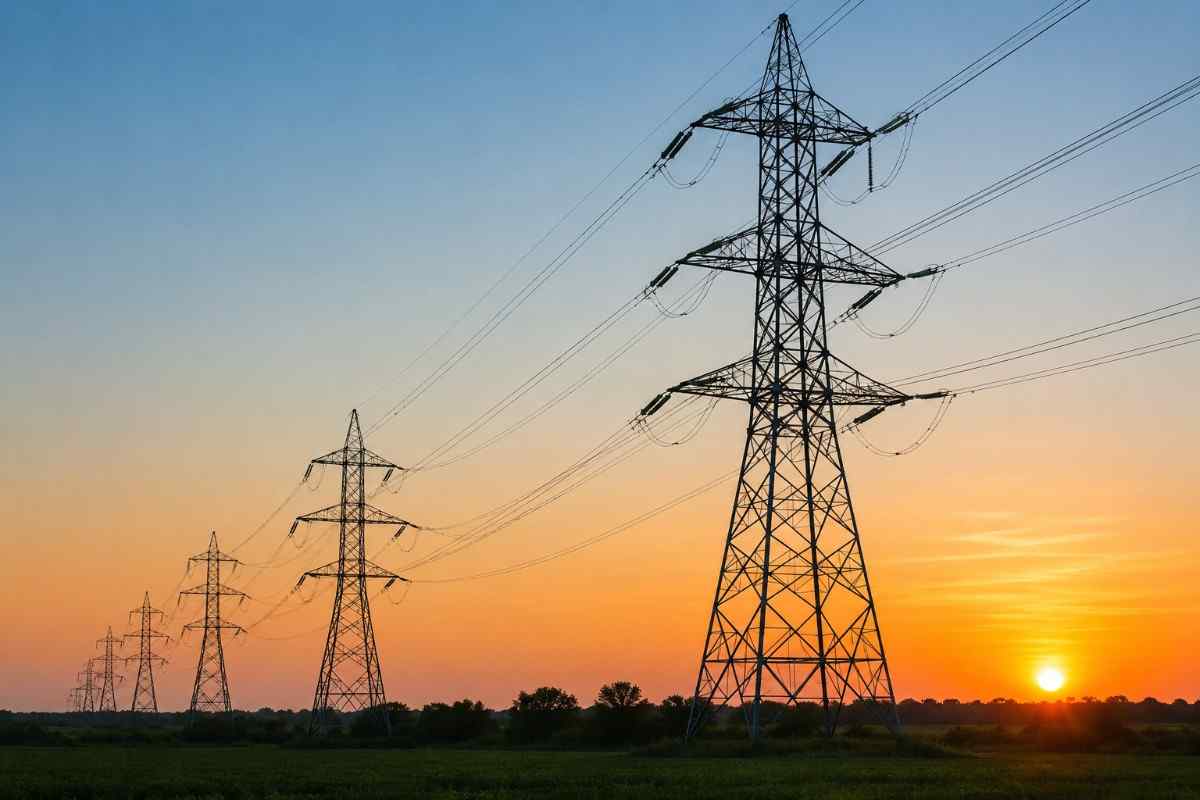
Without transmission systems, power plants would generate electricity that could never reach end users effectively.
A transmission system forms the backbone of modern electrical infrastructure. It connects power generation stations with substations and distribution networks, ensuring stable electricity flow across massive distances while minimizing energy loss.
At SPKN India, industrial electrical solutions are designed to support dependable power transmission and distribution applications across demanding sectors.
What Is a Transmission System?
A transmission system is a network used to transfer electrical energy from generating stations to substations and distribution systems. It includes transmission lines, substations, towers, transformers, switchgear, and protection systems working together to move electricity safely and efficiently.
In simple terms, it acts like a highway network for electrical power.
Electricity generated at power plants is stepped up to very high voltages before transmission. Higher voltage reduces energy losses during long-distance transfer.
Once electricity reaches substations closer to consumers, the voltage is reduced for industrial, commercial, and residential use.
Why Transmission Systems Are Important
Modern life depends on uninterrupted electricity. Industries, hospitals, transportation systems, communication networks, and manufacturing plants all require stable power supply.
A strong transmission system helps:
- Transfer electricity over long distances
- Reduce transmission losses
- Maintain voltage stability
- Improve grid reliability
- Support growing power demand
- Enable renewable energy integration
- Protect electrical infrastructure
I have noticed that regions with stronger transmission infrastructure generally experience fewer large-scale power interruptions and more stable industrial operations.
How a Transmission System Works
The process starts at the power generation station.
Here is a simplified overview:
- Electricity is generated at a power plant
- Transformers increase voltage levels
- High-voltage transmission lines carry electricity over long distances
- Substations reduce voltage levels
- Distribution systems deliver electricity to end users
Every stage requires careful coordination and protection to maintain safety and reliability.
Main Components of a Transmission System
A transmission system includes several important electrical components.
Transmission Lines
These lines carry electrical energy across long distances using overhead conductors or underground cables.
Transmission Towers
Support transmission conductors safely above ground level.
Power Transformers
Increase or decrease voltage depending on transmission requirements.
Substations
Control voltage levels and manage electrical flow across the grid.
Circuit Breakers
Protect the system by interrupting fault currents during abnormal conditions.
Isolators and Switchgear
Allow safe switching and maintenance operations.
Protective Relays
Detect electrical faults and trigger protective actions quickly.
In my experience, the reliability of a transmission system depends heavily on the coordination between these components rather than just the strength of individual equipment.
Types of Transmission Systems
Different transmission systems are used depending on voltage levels, distance, and application requirements.
AC Transmission System
Alternating current transmission is the most widely used system for power transfer worldwide.
DC Transmission System
High Voltage Direct Current systems are used for extremely long-distance or specialized transmission applications.
Overhead Transmission System
Uses towers and overhead conductors to transfer electricity efficiently over large areas.
Underground Transmission System
Installed below ground where space constraints or environmental considerations exist.
Interconnected Grid System
Multiple regional networks connected together to improve reliability and load sharing.
Applications of Transmission Systems
Transmission systems support nearly every sector of modern infrastructure.
Industrial Manufacturing
Factories require reliable high-capacity power supply for continuous operation.
Utility Networks
Power utilities depend on transmission systems to connect generation stations with cities and industries.
Renewable Energy Integration
Solar and wind farms rely on transmission infrastructure to deliver power into the grid.
Transportation Systems
Railways, metro systems, and electric transportation networks require stable transmission support.
Commercial Infrastructure
Large commercial complexes and business districts need dependable power distribution.
I once visited an industrial zone where repeated voltage instability was traced back to overloaded transmission infrastructure rather than internal equipment problems. Upgrading the regional transmission capacity improved reliability across multiple facilities.
Benefits of Modern Transmission Systems
Electrical infrastructure has evolved significantly over the years.
Efficient Long-Distance Power Transfer
High-voltage systems reduce energy losses during transmission.
Improved Grid Reliability
Interconnected networks help balance load demand across regions.
Better Voltage Stability
Advanced monitoring systems improve operational control.
Faster Fault Detection
Protective systems quickly isolate faults to minimize disruptions.
Support for Renewable Energy
Modern transmission networks enable cleaner energy integration.
According to reports from the International Energy Agency, expanding and modernizing transmission infrastructure is essential for supporting future global energy demand and renewable energy adoption.
Transmission System vs Distribution System
These systems work together but serve different purposes.
| Feature | Transmission System | Distribution System |
|---|---|---|
| Main Function | Long-distance power transfer | Local electricity delivery |
| Voltage Level | High voltage | Lower voltage |
| Coverage Area | Large regional networks | Local service areas |
| Infrastructure | Transmission towers and substations | Local transformers and feeders |
| End Users | Substations | Consumers |
Both are essential parts of the electrical power network.
Challenges Faced by Transmission Systems
As electricity demand grows, transmission infrastructure faces several operational challenges.
Increasing Power Demand
Rapid industrial growth places higher load pressure on networks.
Aging Infrastructure
Older systems require modernization and upgrades.
Environmental Exposure
Storms, heat, and pollution affect transmission equipment.
Grid Stability Management
Balancing supply and demand across large networks is complex.
Renewable Energy Integration
Variable energy sources require smarter transmission management.
In my experience, preventive maintenance and modern monitoring technologies play a huge role in improving transmission system reliability.
How to Improve Transmission System Efficiency
Utilities and industries continuously work to improve performance and reduce losses.
Upgrade Aging Equipment
Modern transformers and conductors improve operational efficiency.
Use Smart Monitoring Systems
Real-time monitoring helps identify faults quickly.
Improve Grid Automation
Automation reduces response time during electrical disturbances.
Strengthen Preventive Maintenance
Routine inspections help prevent major failures.
Expand Interconnected Networks
Regional grid connectivity improves reliability and load balancing.
At SPKN India, industrial electrical solutions are developed to support practical power infrastructure applications where operational consistency matters every day.
Why Industries Trust SPKN India
Reliable electrical infrastructure depends on durable and dependable equipment. Industries need solutions capable of performing consistently under demanding operating conditions.
SPKN India focuses on manufacturing industrial electrical products designed for safety, efficiency, and long-term operational reliability.
Industries value:
- Strong engineering expertise
- Durable electrical equipment
- Reliable operational performance
- Industrial-grade manufacturing quality
- Consistent electrical reliability
- Application-focused solutions
In large-scale electrical systems, reliability is not just convenient. It directly affects productivity, safety, and operational continuity.
The Future of Transmission Systems
Power infrastructure is evolving rapidly as countries expand renewable energy, electric transportation, and digital industries.
Future transmission systems are increasingly focused on:
- Smart grid technologies
- Digital substations
- Higher efficiency conductors
- Grid automation
- Renewable energy integration
- Advanced fault monitoring
- Improved cybersecurity systems
As energy demand continues rising, modern transmission systems will remain critical for supporting stable and sustainable power delivery.