Choosing the right supplier for disc insulators is not a small decision. It affects line reliability, maintenance schedules, and ultimately, your reputation as an engineer or procurement head. This guide walks you through exactly what separates a dependable supplier from a risky one, so you can make a confident, informed choice.
What Are Disc Insulators and Why Do They Matter So Much
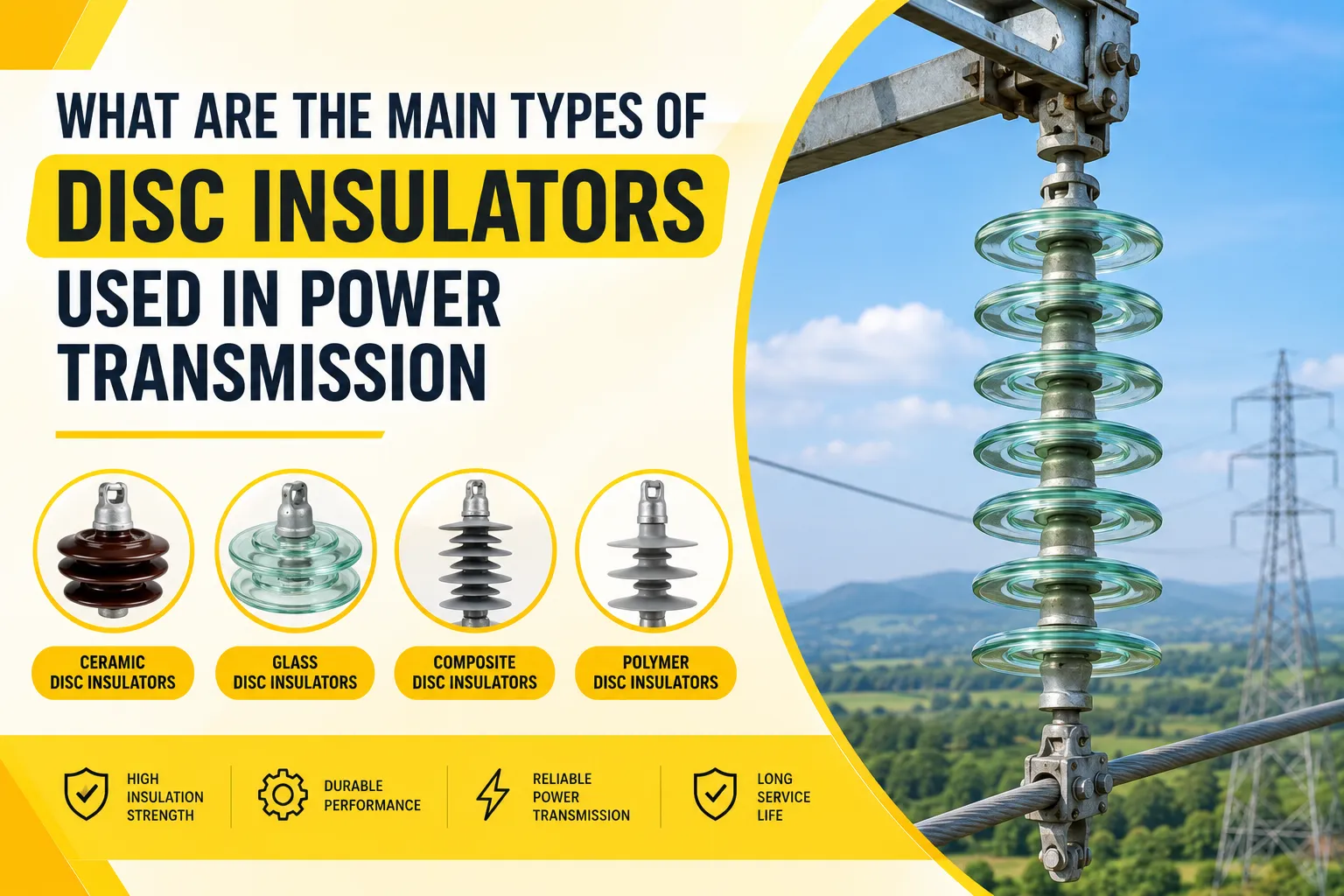
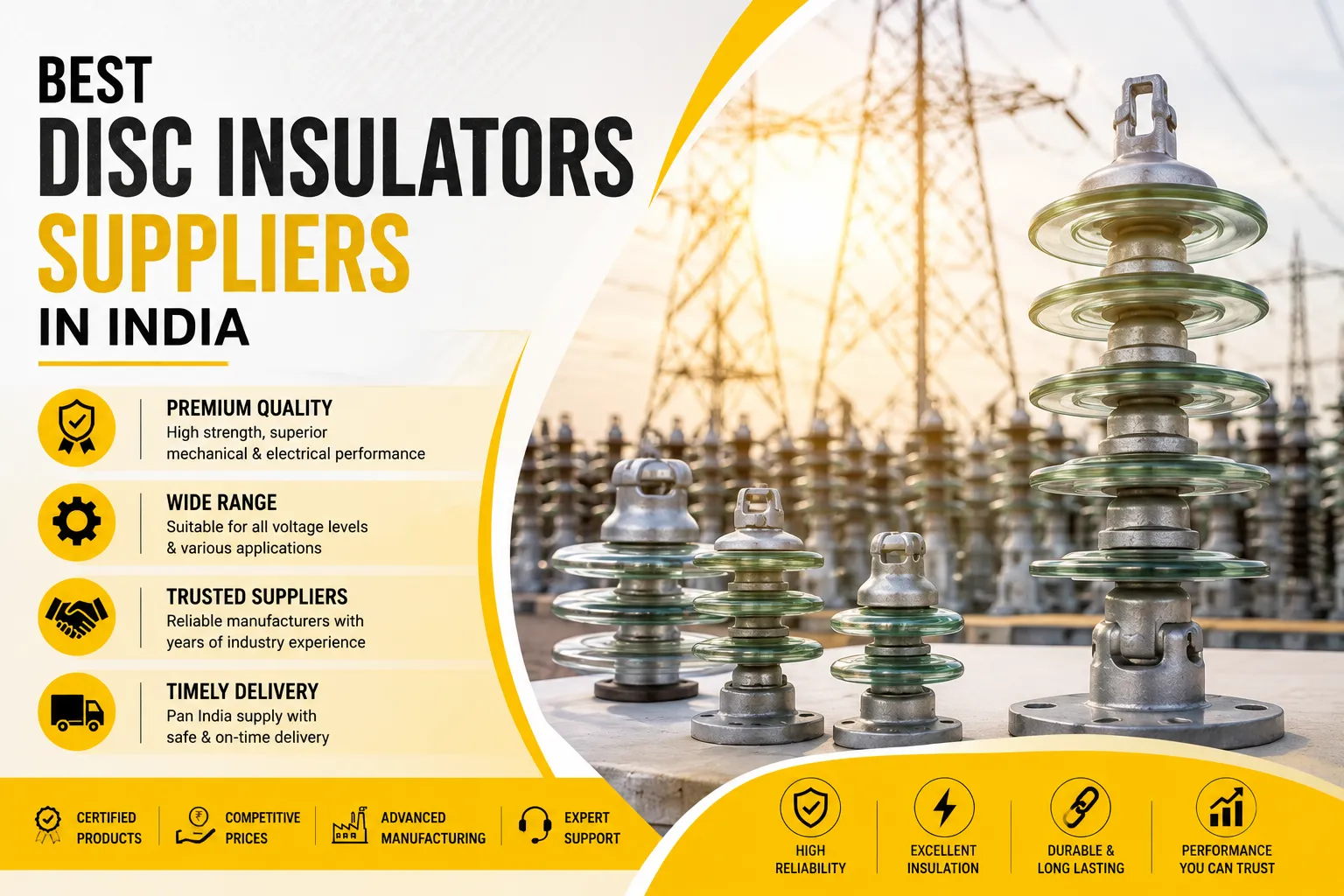
A disc insulator is a porcelain, glass, or polymer unit shaped like a disc, strung together in series to form an insulator string. These strings hold conductors on transmission towers while keeping the electrical current isolated from the tower structure and the ground.
In my experience walking substation yards across North India, the disc type insulator is the unsung workhorse of the grid. It handles mechanical load from wind, ice, and conductor tension, while simultaneously blocking leakage current under wet and polluted conditions.
Every disc in the string is rated for a specific voltage class, and multiple discs are combined depending on the system voltage. A standard 11kv disc insulator string might use fewer discs than a 33kv disc insulator string, since higher voltage systems need greater creepage distance and mechanical strength.
The Real Problem: Not All Disc Insulators Are Built the Same
Here is where many buyers get caught out. Two disc insulators can look nearly identical on a datasheet, yet perform very differently in the field.
I have seen strings fail prematurely because of poor cement bonding between the metal cap, the porcelain shell, and the pin. When that bond weakens over years of thermal cycling, the disc can crack internally without any visible sign on the surface until it fails during a storm.
This is exactly why supplier selection matters as much as the specification sheet. A well-made disc type insulator from a certified manufacturer will consistently outlast a cheaper alternative, even if both claim the same electrical rating on paper.
Types of Disc Insulators You Will Come Across
Before comparing suppliers, it helps to understand what you are actually buying. Disc insulators are not a single product category.
Porcelain disc insulators
These remain the most widely used type across Indian transmission networks. They offer excellent mechanical strength and are highly resistant to UV degradation, which matters given India's intense summer sun exposure.
Toughened glass disc insulators
Glass units are self-indicating, meaning a cracked disc shatters visibly, making faulty units easy to spot during line patrols. Many state utilities prefer glass for this exact reason.
Polymer disc insulator options
The polymer disc insulator is gaining traction in coastal and highly polluted industrial zones. Its silicone rubber sheds resist contamination buildup better than porcelain in certain environments, and the lighter weight reduces tower loading.
Each type has its place. A coastal refinery near Gujarat has very different insulation needs than a dry substation in Rajasthan, and a good supplier will guide you toward the right choice rather than pushing whatever is easiest to stock.
Key Specifications Electrical Engineers Should Check
When evaluating any disc insulator, run through these technical parameters before finalizing a purchase order.
| Parameter | Why It Matters |
|---|---|
| Mechanical Failing Load (MFL) | Determines how much tension and load the string can safely bear |
| Creepage Distance | Directly affects pollution and flashover resistance |
| Dry and Wet Flashover Voltage | Confirms performance during rain and humid conditions |
| Puncture Voltage | Ensures the disc will not fail internally under surge conditions |
| Cap and Pin Material | Galvanized steel resists corrosion far better than untreated metal |
A supplier who can walk you through each of these numbers without hesitation, backed by actual test certificates, is already ahead of most competitors in the market.
Applications Across Indian Power Infrastructure
Disc insulators show up in far more places than most people realize.
Transmission towers
This is the most obvious application. String insulators hold high voltage conductors on lattice towers spanning hundreds of kilometers across state grids.
Substations
Both incoming and outgoing feeders at substations rely on disc insulator strings, particularly at busbar connections and gantry structures.
Industrial power yards
Cement plants, steel mills, and refineries often run their own internal high voltage distribution networks, and these require the same rigorous insulation standards as public utility lines.
Railway electrification
With Indian Railways expanding electrified routes rapidly, disc insulators are now critical components in overhead traction systems too.
I have worked on projects where the same 11kv disc insulator design used in a municipal distribution feeder was later specified for a factory's internal HT yard, simply because the performance history was proven and documented.
What Separates a Trustworthy Supplier From an Average One
This is the section most buyers skip, and it is exactly where costly mistakes happen. Here is what to actually look for.
Manufacturing certification
Any credible supplier should hold ISO 9001:2015 certification at minimum. This confirms the manufacturer follows a documented quality management process, not just a one-off good batch.
Compliance with Indian Standards
Look for compliance with relevant IS specifications covering insulator design, testing, and materials such as IS 2062 for structural steel components and IS 5613 for overhead transmission line design practices, along with BIS registration where applicable.
Testing transparency
A serious manufacturer will share type test reports, routine test certificates, and batch test data without you having to chase them repeatedly.
Consistent stock and lead times
Power projects run on tight schedules. A supplier who cannot commit to realistic delivery timelines will cost you far more in project delays than any savings elsewhere.
After-sales support
Technical queries do not stop after delivery. Suppliers who offer ongoing engineering support for installation and troubleshooting build long-term trust with EPC contractors and utilities alike.
Buyer's Checklist Before You Place an Order
Use this quick checklist during your next procurement cycle.
- Confirm the exact voltage class needed, whether it is an 11kv disc insulator or a 33kv disc insulator application
- Request type test and routine test certificates for the specific batch
- Verify creepage distance suitable for your site's pollution level
- Check cap and pin corrosion protection, especially for coastal or industrial zones
- Ask about mechanical failing load ratings against your actual tower design loads
- Confirm ISO certification and relevant IS standard compliance
- Clarify delivery timelines against your project schedule
- Ask for reference installations or past project history
Skipping even one of these steps has led buyers I know to reorder entire batches mid-project, which is a headache nobody wants during a tight commissioning schedule.
Common Mistakes Procurement Teams Make
Buying purely on lowest cost
This is the single biggest mistake in industrial procurement. A slightly cheaper disc insulator that fails within five years costs far more in replacement labor, tower access, and downtime than a properly rated unit that lasts fifteen to twenty years.
Ignoring pollution severity levels
Many buyers apply a standard creepage distance without accounting for local pollution class, whether it is coastal salt spray, cement dust, or industrial emissions. This directly shortens insulator lifespan.
Overlooking mechanical rating mismatches
Selecting a disc insulator with insufficient mechanical failing load for the actual conductor tension and span length is a design oversight that shows up years later as string elongation or failure.
Not verifying batch-specific test data
General product datasheets are not the same as batch-specific test certificates. Always ask for documentation tied to your actual purchase order.
Why Choose SPKN India
SPKN India has built its reputation as a trusted industrial electrical equipment manufacturer and supplier by focusing on exactly the details discussed above.
As an ISO 9001:2015 certified company based in Faridabad, Haryana, SPKN India manufactures disc insulators that comply with applicable Indian Standards and undergo rigorous quality checks before dispatch.
What sets SPKN India apart is straightforward technical communication. Engineers and procurement managers get direct access to test certificates, material specifications, and application guidance without unnecessary back and forth.
SPKN India supplies across major industrial hubs including Faridabad, Delhi, Gujarat, Maharashtra, Karnataka, and several other states, working closely with EPC contractors, power distribution companies, and industrial buyers who need consistent quality at scale.
Whether your project requires a standard 11kv disc insulator for a distribution feeder or a heavier duty 33kv disc insulator string for a substation gantry, SPKN India's manufacturing process is built around reliability first.
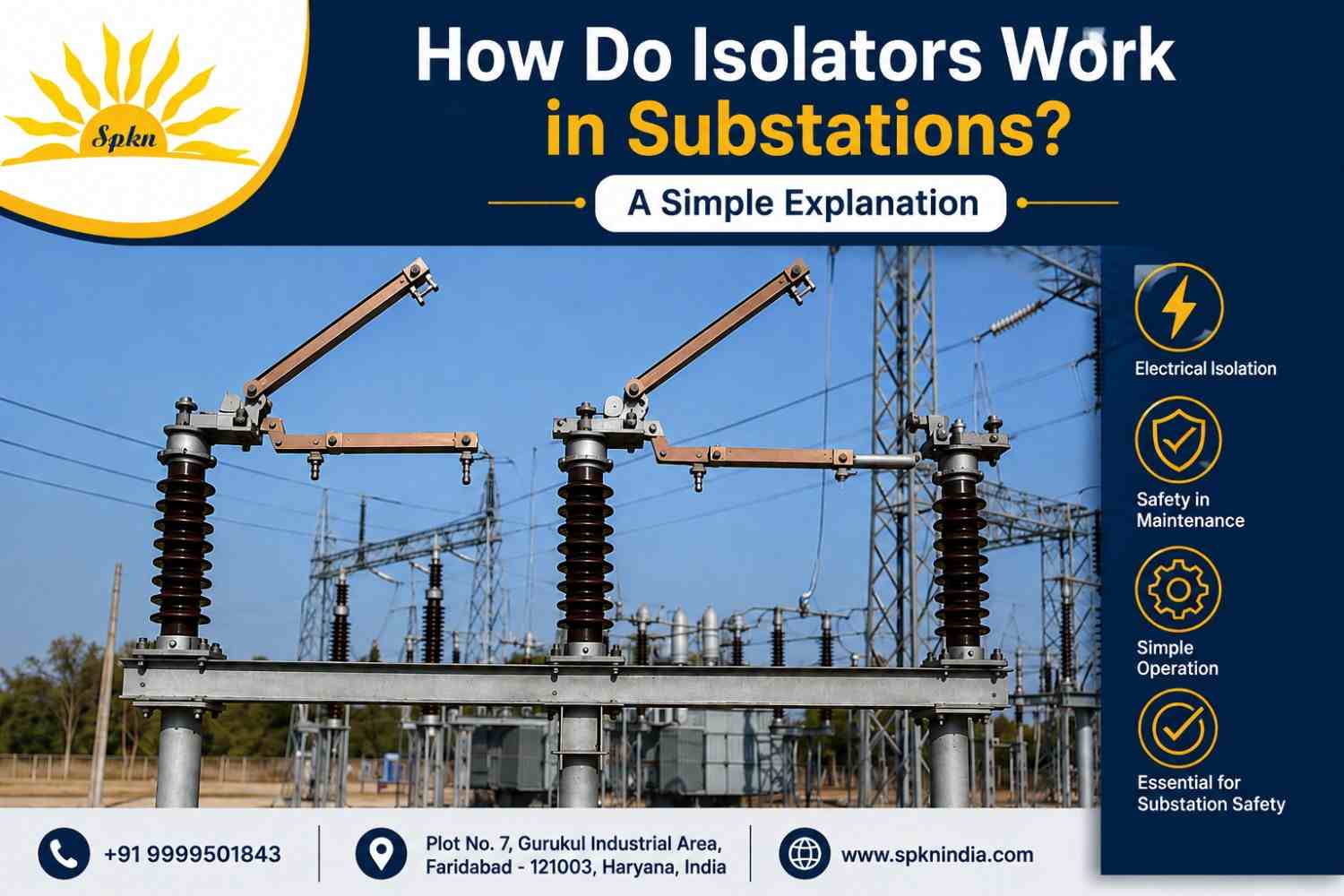
For related requirements, buyers often also review SPKN India's isolator range and lightning arrester solutions, since these components frequently work together within the same substation or transmission project.
Final Thoughts
Selecting the right supplier for disc insulators is not just a procurement task, it is a decision that affects grid reliability for decades. The best suppliers combine certified manufacturing, transparent testing, and genuine technical support, rather than just competitive quotes on a tender document.
If you are currently evaluating vendors for an upcoming transmission or substation project, take the time to run through the checklist above before finalizing your order. It is a small effort compared to the cost of managing a failed insulator string years down the line.
SPKN India remains a dependable choice for engineers and procurement teams who need certified, application-appropriate disc insulators backed by real technical support. Reach out to discuss your project requirements and get the right specification for your site conditions.