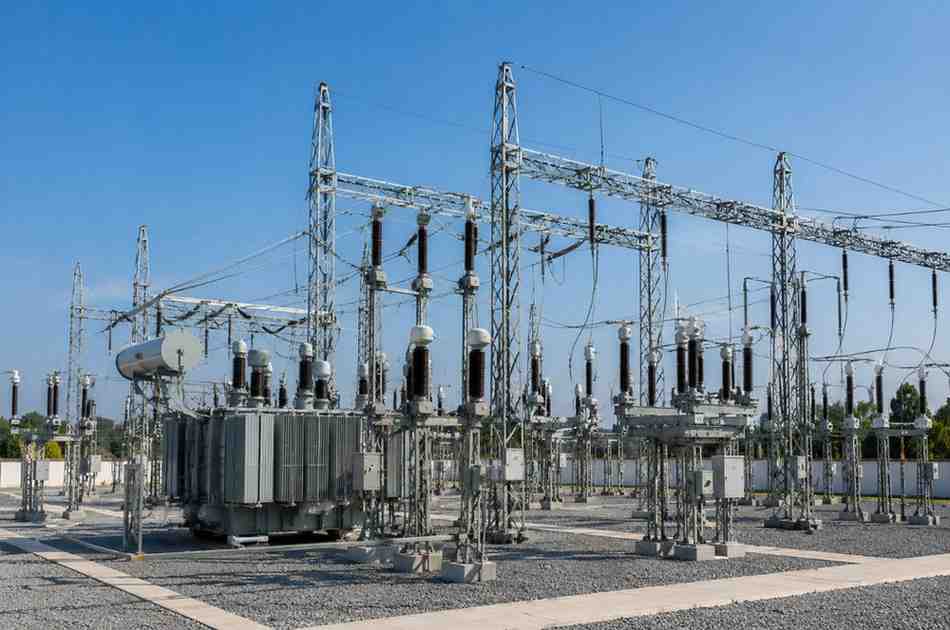
Without substations, modern electrical systems simply would not function efficiently or safely.
A power substation controls voltage levels, manages power flow, protects electrical equipment, and helps maintain grid stability. Whether it is a manufacturing plant, commercial complex, utility network, or renewable energy project, substations form the backbone of reliable power distribution.
At SPKN India, industrial electrical infrastructure solutions are designed to support dependable and efficient power systems across demanding applications.
What Is a Power Substation?
A power substation is a part of the electrical power system where voltage is transformed, controlled, switched, or distributed. It acts as an essential connection point between power generation, transmission, and distribution networks.
In simple terms, substations help move electricity safely and efficiently from one stage of the grid to another.
Substations perform several important functions:
- Step voltage up or down
- Control electrical flow
- Protect equipment from faults
- Isolate sections during maintenance
- Monitor system performance
- Improve grid reliability
You will find substations in cities, industrial plants, rural power networks, renewable energy installations, and utility transmission systems.
Why Power Substations Are Important
Electricity generated at power plants travels at very high voltages to reduce transmission losses. But factories, buildings, and homes cannot directly use those voltage levels safely.
That is where substations become essential.
They reduce voltage to usable levels while maintaining stable power distribution across the network.
I have noticed that facilities with properly designed substation systems usually experience better operational stability and fewer large-scale electrical disruptions.
Main Benefits of Power Substations
- Efficient power transmission
- Reduced energy losses
- Better voltage regulation
- Improved electrical safety
- Reliable power distribution
- Faster fault isolation
- Enhanced grid stability
Without substations, electrical infrastructure would become inefficient, unsafe, and extremely difficult to manage.
How a Power Substation Works
A substation receives electricity at one voltage level and transforms it to another depending on system requirements.
Here is a simplified process:
- Electricity enters the substation through transmission lines
- Transformers adjust voltage levels
- Switchgear controls and protects circuits
- Power gets distributed to outgoing feeders
- Monitoring systems track performance and safety
Modern substations also include automation systems for remote operation and real-time monitoring.
Main Components of a Power Substation
A power substation consists of several interconnected electrical systems working together.
Power Transformers
Transformers increase or decrease voltage levels depending on transmission or distribution requirements.
Circuit Breakers
Protect the system by interrupting fault currents automatically.
Isolators and Switches
Allow safe circuit isolation during maintenance.
Busbars
Conduct and distribute electrical power within the substation.
Protective Relays
Detect abnormal operating conditions and trigger protective actions.
Lightning Arresters
Protect equipment from voltage surges caused by lightning or switching operations.
Control Panels
Monitor and manage substation operations.
In my experience, the quality of these components directly affects overall substation reliability and long-term operational safety.
Types of Power Substations
Different applications require different substation configurations.
Transmission Substation
Connects transmission lines and handles high-voltage power transfer across long distances.
Distribution Substation
Reduces voltage for local distribution to industrial, commercial, and residential users.
Industrial Substation
Installed within manufacturing facilities or industrial plants to manage internal power requirements.
Switching Substation
Focuses mainly on switching operations without major voltage transformation.
Mobile Substation
Portable substations used during emergencies or temporary projects.
Indoor and Outdoor Substations
Depending on space availability and environmental conditions, substations may be installed indoors or outdoors.
Applications of Power Substations
Power substations are essential across nearly every sector of modern infrastructure.
Industrial Manufacturing
Factories rely on substations for stable and uninterrupted power supply.
Utility Power Networks
Electric utilities use substations for power transmission and regional distribution.
Commercial Buildings
Large complexes require substations to manage heavy electrical loads safely.
Renewable Energy Systems
Solar and wind farms connect to the grid through substations.
Railways and Transportation
Electric transportation systems depend heavily on reliable substations.
I once visited a manufacturing facility where voltage instability was damaging sensitive equipment repeatedly. After upgrading their internal power substation setup, equipment performance became far more stable.
Benefits of Modern Power Substations
Substation technology has improved significantly over the years.
Better Reliability
Modern systems improve power continuity and reduce outages.
Improved Safety
Advanced protection systems minimize electrical risks.
Higher Efficiency
Better voltage management reduces transmission losses.
Easier Monitoring
Digital systems allow remote supervision and diagnostics.
Faster Fault Detection
Protective relays respond quickly during abnormal conditions.
According to reports from the International Energy Agency, modernized electrical infrastructure including substations plays a major role in improving grid efficiency and reliability worldwide.
Power Substation vs Power Station
People sometimes confuse these two terms, but they serve different purposes.
| Feature | Power Substation | Power Station |
|---|---|---|
| Main Function | Voltage control and distribution | Electricity generation |
| Generates Electricity | No | Yes |
| Uses Transformers | Yes | Yes |
| Part of Transmission Network | Yes | Yes |
| Primary Role | Distribution and control | Power production |
Both systems work together to deliver electricity safely and efficiently.
How to Choose the Right Power Substation Setup
Designing or selecting a substation requires careful planning.
Understand Load Requirements
The system must support expected electrical demand safely.
Evaluate Voltage Levels
Choose appropriate transformer ratings and switchgear systems.
Consider Future Expansion
Industrial facilities often grow over time.
Focus on Safety Standards
Use equipment compliant with recognized electrical regulations.
Environmental Conditions Matter
Outdoor substations require weather-resistant construction.
Automation Requirements
Modern facilities may require smart monitoring and remote operation capabilities.
At SPKN India, electrical infrastructure solutions are developed to support practical industrial and utility applications where long-term reliability matters.
Maintenance Tips for Power Substations
Substations require regular inspection and preventive maintenance to ensure dependable operation.
Inspect Transformers
Check for overheating, oil leakage, or unusual noise.
Test Protective Relays
Ensure protection systems respond correctly during faults.
Inspect Connections
Loose terminals can create dangerous heat buildup.
Clean Insulators
Dust and contamination affect insulation performance.
Monitor Circuit Breakers
Routine testing helps maintain reliable operation.
When I tried troubleshooting repeated voltage fluctuations at an industrial site, the issue eventually traced back to neglected substation maintenance rather than external grid problems.
Why Industries Trust SPKN India
Industrial electrical systems need dependable infrastructure solutions capable of handling demanding operational conditions.
SPKN India focuses on delivering industrial electrical products designed for safety, durability, and reliable performance across multiple sectors.
Industries value:
- Quality-focused manufacturing
- Durable electrical equipment
- Reliable operational performance
- Strong engineering expertise
- Industrial-grade electrical solutions
- Long-term system dependability
Reliable substations are not just about electrical performance. They support operational continuity, safety, and business productivity every single day.
The Future of Power Substations
Electrical networks are changing rapidly as industries adopt automation, renewable energy, and smart grid technologies.
Modern substations are increasingly incorporating:
- Digital monitoring systems
- Smart grid integration
- Automated switching
- Remote diagnostics
- Energy efficiency improvements
- Advanced protection systems
As energy demand continues growing, the importance of efficient and reliable power substation infrastructure will only increase.