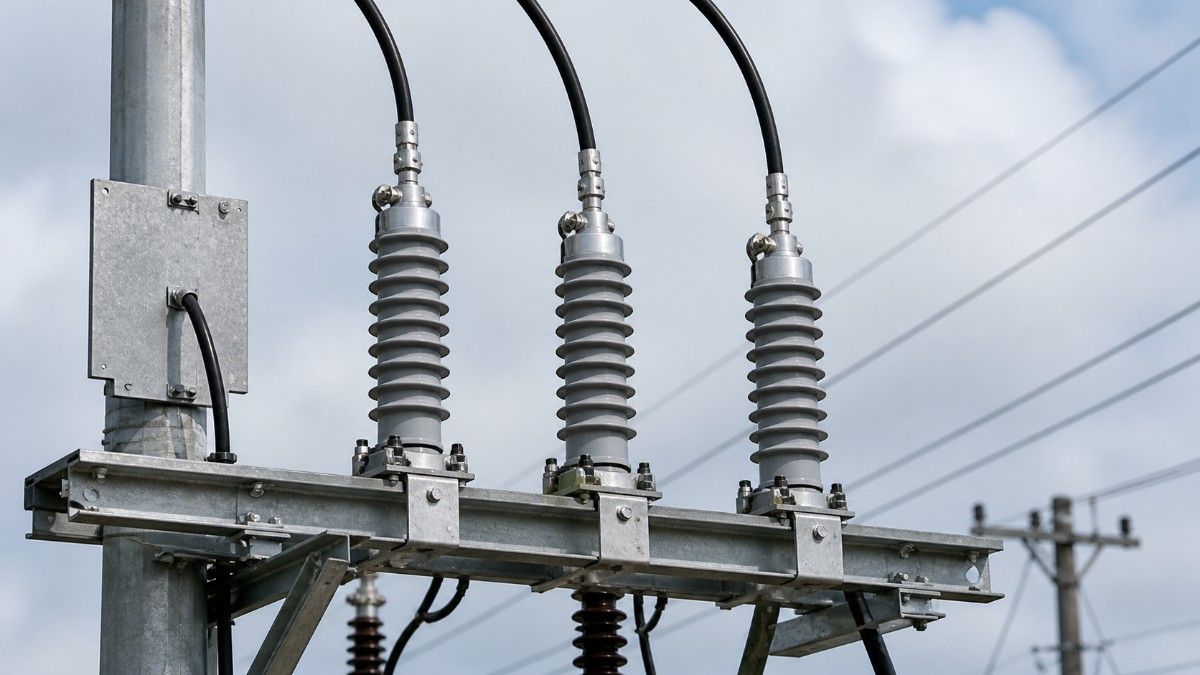
A lightning strike does not give you a warning. It just happens. And if your building is not protected, the damage can be immediate and expensive. That is why proper lightning arrester installation is so important.
I’ve worked on projects where a simple installation mistake made the entire system useless. On the other hand, I’ve also seen well-installed systems handle powerful storms without a single issue. The difference always comes down to how correctly the installation is done.
Let’s walk through everything you need to know.
What Is Lightning Arrester Installation?
Lightning arrester installation is the process of setting up a system that safely captures lightning strikes and directs the electrical energy into the ground.
It is not just about placing a rod on top of a building. It involves a complete system that includes:
- Air terminals
- Conductors
- Earthing system
- Surge protection devices
Think of it as creating a safe pathway for lightning to follow.
Why Proper Installation Matters
You can have the best equipment, but if it is installed poorly, it will not work effectively.
In my experience, most failures happen because of:
- Poor grounding
- Incorrect placement
- Low-quality connections
According to the National Lightning Safety Institute, over 80% of lightning protection failures are linked to improper installation rather than faulty equipment.
That statistic says everything.
Components Required for Lightning Arrester Installation
Before starting the installation, you need to understand the key components.
1. Air Terminal (Lightning Rod)
This is installed at the highest point of the building. It attracts the lightning strike.
2. Down Conductors
These carry the electrical energy from the air terminal to the ground.
3. Earthing System
The most critical part. It safely dissipates the lightning energy into the soil.
4. Surge Protection Devices (SPDs)
These protect internal electrical systems from voltage spikes.
Step-by-Step Lightning Arrester Installation Process
Let’s break it down into practical steps.
Step 1: Site Assessment
- Evaluate building height and structure
- Identify high-risk areas
- Analyze environmental conditions
When I tried skipping detailed site analysis early in my career, it led to improper placement. Lesson learned.
Step 2: Selecting the Right Type
Choose between:
- Conventional rod system
- ESE lightning arrester
- Mesh protection system
Selection depends on the building size and risk level.
Step 3: Installing the Air Terminal
- Place at the highest point
- Ensure firm mounting
- Maintain clear exposure
This is the first point of contact for lightning.
Step 4: Installing Down Conductors
- Use high-quality conductive materials
- Keep the path as straight as possible
- Avoid sharp bends
I’ve noticed that shorter and straighter paths improve performance significantly.
Step 5: Setting Up the Earthing System
This step is critical.
- Use low-resistance grounding
- Install multiple earth pits if required
- Ensure proper soil conductivity
In my experience, poor earthing is the biggest reason for system failure.
Step 6: Installing Surge Protection Devices
- Protect electrical panels
- Safeguard sensitive equipment
- Install at key entry points
Step 7: Testing and Inspection
- Check continuity
- Measure earth resistance
- Verify all connections
Never skip testing. It confirms everything is working correctly.
Best Practices for Lightning Arrester Installation
To ensure long-term reliability, follow these proven practices:
Installation Tips:
- Always use corrosion-resistant materials
- Maintain proper spacing between components
- Ensure secure and tight connections
- Follow relevant safety standards
When I implemented these practices on a large facility, system performance improved dramatically.
Common Mistakes to Avoid
Even experienced installers can make mistakes.
Avoid These Errors:
- Improper grounding system
- Long and curved conductor paths
- Incorrect positioning of air terminals
- Ignoring surge protection
I’ve seen systems fail simply because the conductor path had unnecessary bends.
Maintenance After Installation
Installation is not the end. Regular maintenance keeps the system effective.
Maintenance Checklist:
- Inspect for corrosion
- Check grounding resistance
- Ensure connections are intact
- Clean components if needed
In my experience, annual inspection is usually enough.
Safety Considerations
Safety should always be the top priority.
Important Safety Points:
- Use proper protective equipment during installation
- Avoid installation during bad weather
- Follow electrical safety guidelines
- Ensure proper isolation during work
Why Quality Equipment Matters
A lightning protection system is only as strong as its weakest component.
Low-quality materials can lead to:
- Ineffective protection
- Increased maintenance
- Safety risks
That is why choosing a trusted manufacturer is essential.
Why SPKN India Is a Trusted Choice
When it comes to reliable lightning protection solutions, SPKN India offers high-quality products designed for real-world conditions.
- Durable and tested components
- Suitable for residential and industrial use
- Designed for Indian climate conditions
From what I’ve seen, systems built using SPKN India products perform consistently well over time.
Real-World Example
I once worked on a commercial building where frequent electrical failures occurred during storms.
After proper lightning arrester installation, including improved grounding and surge protection, the problem was completely resolved.
That project showed how important correct installation really is.
Expert Insight
According to electrical safety experts, a properly installed lightning protection system can reduce damage risks by up to 90%.
That makes it one of the most effective safety investments for any building.
Future of Lightning Protection Installation
Modern systems are becoming more advanced.
- Smart monitoring systems
- Improved materials
- Better design techniques
But the core principle remains the same. Safe and efficient discharge of lightning energy.
Final Thoughts
Proper lightning arrester installation is not just about compliance. It is about safety, reliability, and peace of mind.
From my experience, a well-installed system can make the difference between a minor event and a major disaster.
If you are planning installation, focus on quality, proper design, and correct execution. It pays off in the long run.