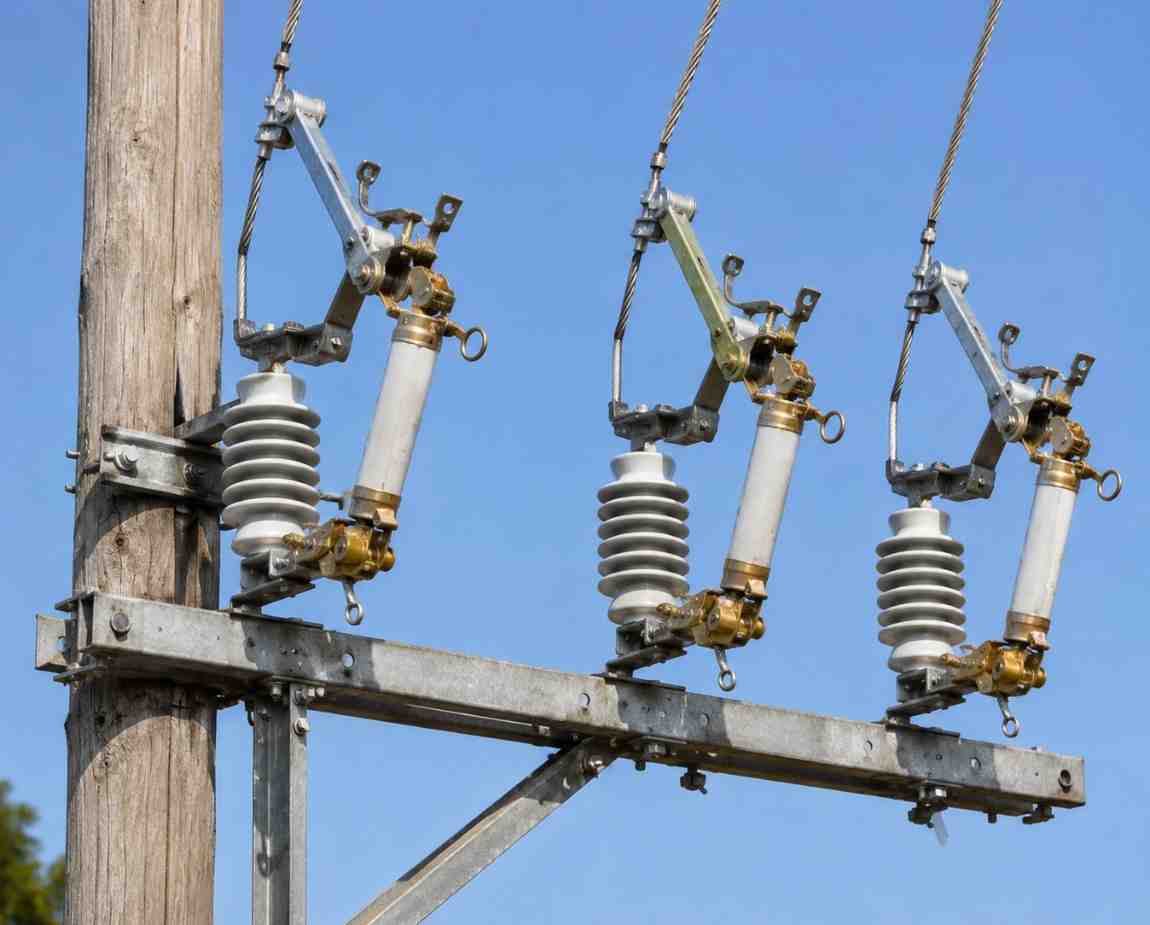
A fuse switch is not just another electrical component sitting inside a panel. It acts as both a protection device and an isolation tool. In simple terms, it helps prevent electrical damage while allowing operators to safely disconnect circuits during maintenance or emergencies.
At SPKN India, high-performance electrical solutions are designed to meet demanding industrial requirements where reliability matters every single day.
What Is a Fuse Switch?
A fuse switch is an electrical switching device that combines the functionality of a switch and a fuse into one compact unit. The switch allows you to manually open or close an electrical circuit, while the fuse protects the circuit from excessive current flow.
Think of it like a security guard and a gatekeeper working together.
If the electrical current exceeds safe limits, the fuse melts and breaks the circuit before expensive machinery or wiring gets damaged. Meanwhile, the switching mechanism lets technicians safely isolate equipment for repairs or inspection.
You will commonly find fuse switches in:
- Industrial plants
- Commercial buildings
- Power distribution systems
- Transformer installations
- Motor control centers
- Manufacturing facilities
- Renewable energy systems
Why Fuse Switches Matter in Electrical Systems
Many people underestimate how damaging electrical faults can be. I have noticed that even a brief short circuit can shut down an entire production line for hours. In some industries, that downtime costs far more than the equipment itself.
A quality fuse switch helps reduce these risks by offering:
Fast Fault Protection
The fuse reacts almost instantly during overload conditions. This quick response prevents overheating and protects sensitive equipment.
Safe Isolation
Technicians can safely disconnect circuits before maintenance work begins. This reduces the chance of accidental electric shock.
Improved System Reliability
Electrical systems perform more consistently when protected against faults and unstable current conditions.
Lower Maintenance Risks
A properly installed fuse switch can simplify inspection and maintenance procedures.
How a Fuse Switch Works
The working principle is surprisingly straightforward.
Electric current flows through the fuse element during normal operation. When the current exceeds the rated capacity, the fuse element heats up and melts. This interrupts the electrical flow and protects the connected system.
The switch portion allows manual operation. Operators can turn the circuit ON or OFF depending on operational needs.
Here’s a simple breakdown:
- Current flows normally through the fuse switch
- Excess current creates heat inside the fuse
- Fuse element melts during overload
- Circuit automatically disconnects
- Equipment stays protected from major damage
In my experience, facilities using reliable fuse switch systems face fewer unexpected electrical failures compared to setups with outdated protection devices.
Types of Fuse Switches
Different industries require different configurations. Choosing the right type depends on voltage levels, load capacity, and operational requirements.
HRC Fuse Switch
High Rupturing Capacity fuse switches are designed to interrupt very high fault currents safely. These are widely used in industrial applications where electrical loads are heavy.
Switch Fuse Unit (SFU)
A Switch Fuse Unit combines switching and protection in a compact enclosure. It is commonly used in low-voltage distribution systems.
Fuse Switch Disconnector
This type provides clear isolation along with overcurrent protection. It is especially useful where maintenance safety is a priority.
Load Break Fuse Switch
Designed to interrupt current under load conditions, these switches are commonly used in power distribution networks.
Key Components of a Fuse Switch
Understanding the major parts helps you choose better equipment for your facility.
Fuse Element
This is the sacrificial part that melts during excessive current flow.
Switch Mechanism
Allows manual opening and closing of the electrical circuit.
Arc Quenching Chamber
Helps extinguish electrical arcs safely when the switch operates.
Insulating Housing
Protects internal components and improves operational safety.
Terminal Connectors
Provide secure electrical connections between incoming and outgoing conductors.
Common Applications of Fuse Switches
A fuse switch plays a crucial role across several industries.
Manufacturing Plants
Machines with large motors require dependable protection against overload conditions.
Commercial Buildings
Used in electrical panels to protect HVAC systems, elevators, and lighting circuits.
Transformer Protection
Fuse switches help isolate transformers during maintenance and fault conditions.
Renewable Energy Systems
Solar and wind installations often use fuse switches for DC and AC protection.
Data Centers
Power stability is critical. Fuse switches help minimize risks associated with overloads and electrical faults.
I once visited a manufacturing facility where repeated electrical trips were damaging expensive CNC machines. After upgrading to properly rated industrial fuse switches, the downtime reduced significantly within a few months.
Benefits of Using High-Quality Fuse Switches
Not all electrical equipment performs equally. Quality makes a huge difference over time.
Enhanced Safety
Reliable fuse switches reduce the risk of electrical fires and equipment failure.
Better Durability
Industrial-grade materials can handle harsh operating environments.
Compact Design
Modern fuse switches save panel space while maintaining performance.
Easy Maintenance
Most units are designed for quick fuse replacement and inspection.
Compliance with Standards
Good-quality products meet national and international electrical safety standards.
According to a report published by the International Energy Agency, electrical system failures remain one of the leading causes of industrial downtime globally. Proper circuit protection devices significantly reduce these risks.
How to Choose the Right Fuse Switch
Selecting the right product is not just about voltage ratings. Several practical factors matter.
Consider Current Rating
Choose a fuse switch capable of handling the expected load safely.
Check Voltage Compatibility
Always ensure compatibility with your electrical system voltage.
Evaluate Breaking Capacity
The switch must safely interrupt possible fault currents.
Look for Build Quality
Durable materials improve performance and longevity.
Environmental Conditions Matter
Dust, moisture, and heat can affect electrical equipment performance.
Compliance and Certifications
Use products tested according to recognized standards.
At SPKN India, the focus remains on manufacturing dependable electrical equipment built for real industrial conditions rather than just laboratory specifications.
Fuse Switch vs Circuit Breaker
People often confuse these two devices because both provide protection. However, they work differently.
| Feature | Fuse Switch | Circuit Breaker |
|---|---|---|
| Protection Method | Fuse melts | Mechanical tripping |
| Replacement Needed | Yes after fault | Usually reusable |
| Speed | Very fast | Fast |
| Cost | Often lower | Generally higher |
| Maintenance | Simple | Moderate |
In my experience, fuse switches are still preferred in many industrial applications because of their simplicity and excellent fault-clearing performance.
Maintenance Tips for Fuse Switches
Even the best equipment needs regular inspection.
Inspect for Overheating
Discoloration or burning marks may indicate loose connections.
Tighten Connections
Loose terminals can create dangerous heat buildup.
Replace Damaged Fuses Promptly
Never use incorrect fuse ratings.
Keep Panels Clean
Dust accumulation affects performance and safety.
Schedule Routine Testing
Preventive maintenance helps identify issues early.
A well-maintained fuse switch can deliver reliable service for many years without major issues.
Why Industries Trust SPKN India
Electrical protection equipment is not something businesses can afford to compromise on. Industrial environments demand reliability, consistency, and long operational life.
SPKN India manufactures electrical products designed to meet modern industrial expectations while maintaining strict quality standards. From robust construction to dependable operational performance, the company focuses on practical solutions for real-world applications.
Customers across industries value:
- Reliable product quality
- Durable industrial designs
- Consistent electrical performance
- Application-focused engineering
- Strong technical expertise
When I tried comparing industrial-grade fuse switches from different suppliers during a plant upgrade project, the difference in material quality and switching smoothness became very obvious after installation.
Future of Fuse Switch Technology
Electrical systems are becoming smarter and more energy-intensive. As industries adopt automation, renewable energy, and digital infrastructure, protective devices must evolve too.
Modern fuse switch designs are increasingly focused on:
- Higher fault tolerance
- Compact modular designs
- Improved thermal management
- Safer operation
- Better integration with industrial systems
Manufacturers are also improving materials and insulation technologies to increase operational reliability.