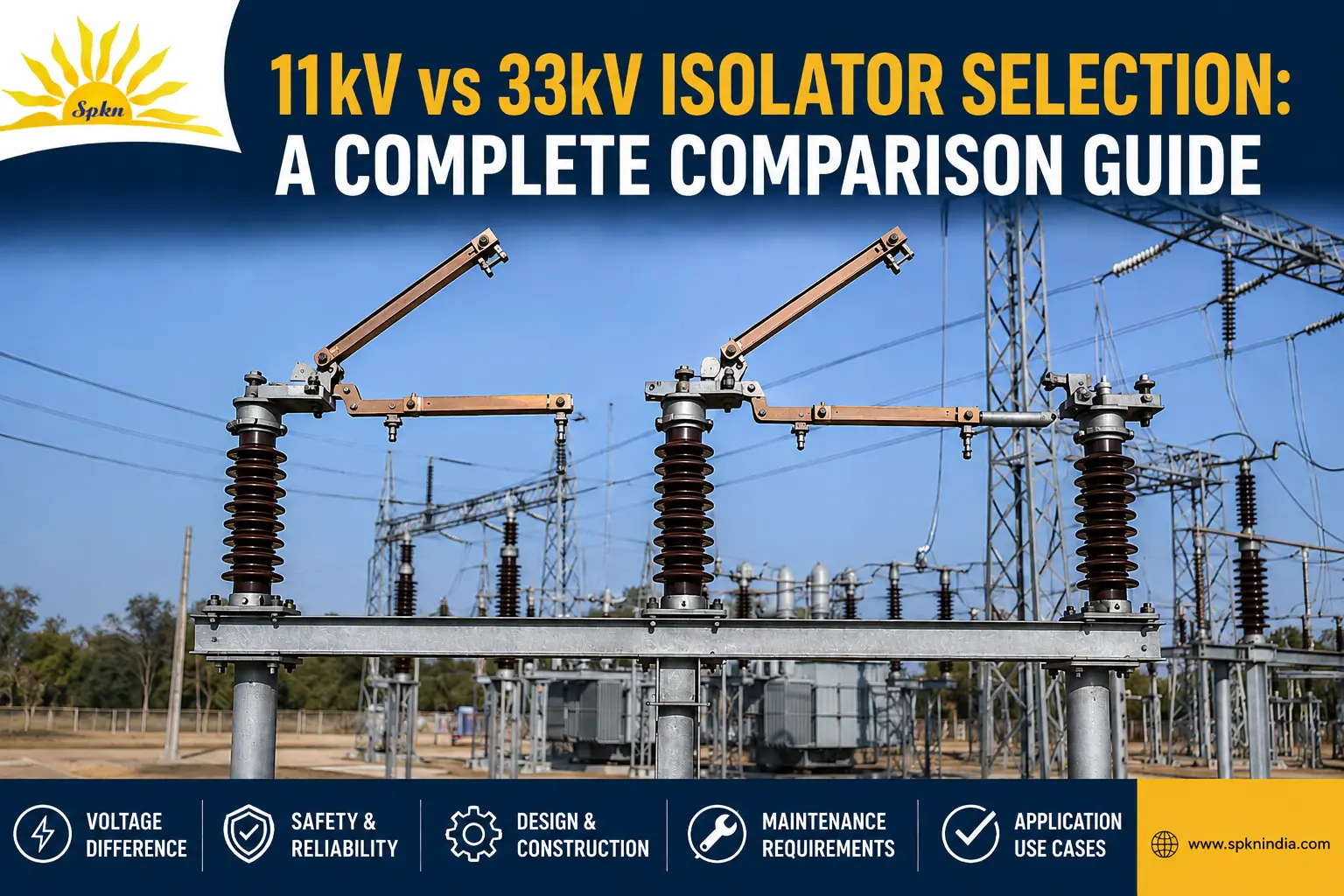
The electrical industry is constantly evolving, and one of the most significant advancements in recent years has been the shift from traditional porcelain insulators to modern polymer technology. If you're involved in power transmission, distribution, or substation projects, understanding polymer isolator disconnectors in India and their benefits can help you make smarter decisions for your infrastructure. In this comprehensive guide, we'll explore everything you need to know about these innovative devices, with insights into how companies like SPKN India are leading this technological transformation.
What is a Polymer Isolator Disconnector?
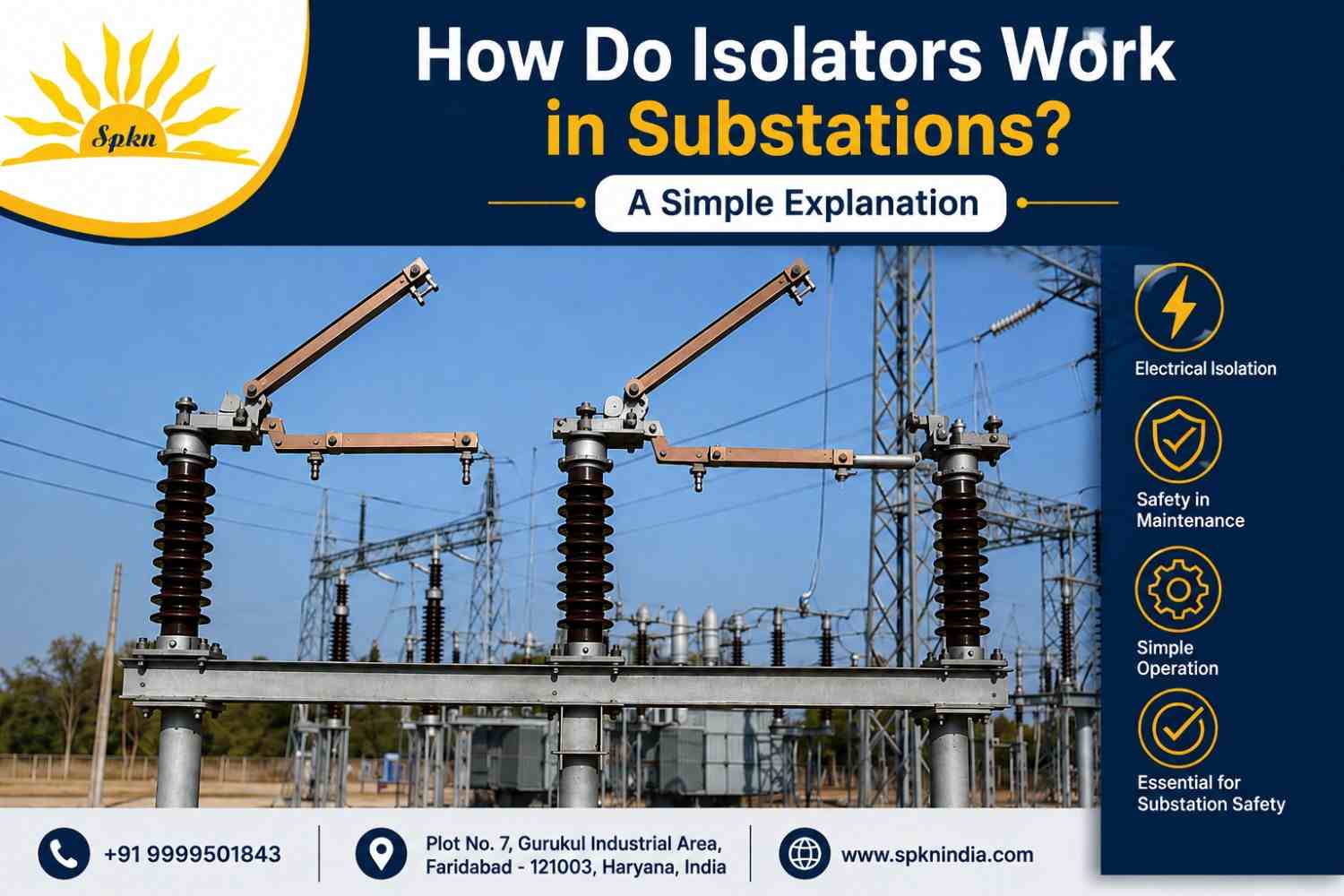
Let's start with the basics. An isolator disconnector, also called a disconnect switch, is a mechanical device used in electrical substations to isolate a section of the circuit for maintenance or safety purposes. Unlike circuit breakers that interrupt live currents, isolators are operated when the circuit is already de-energized, creating a visible break for worker safety.
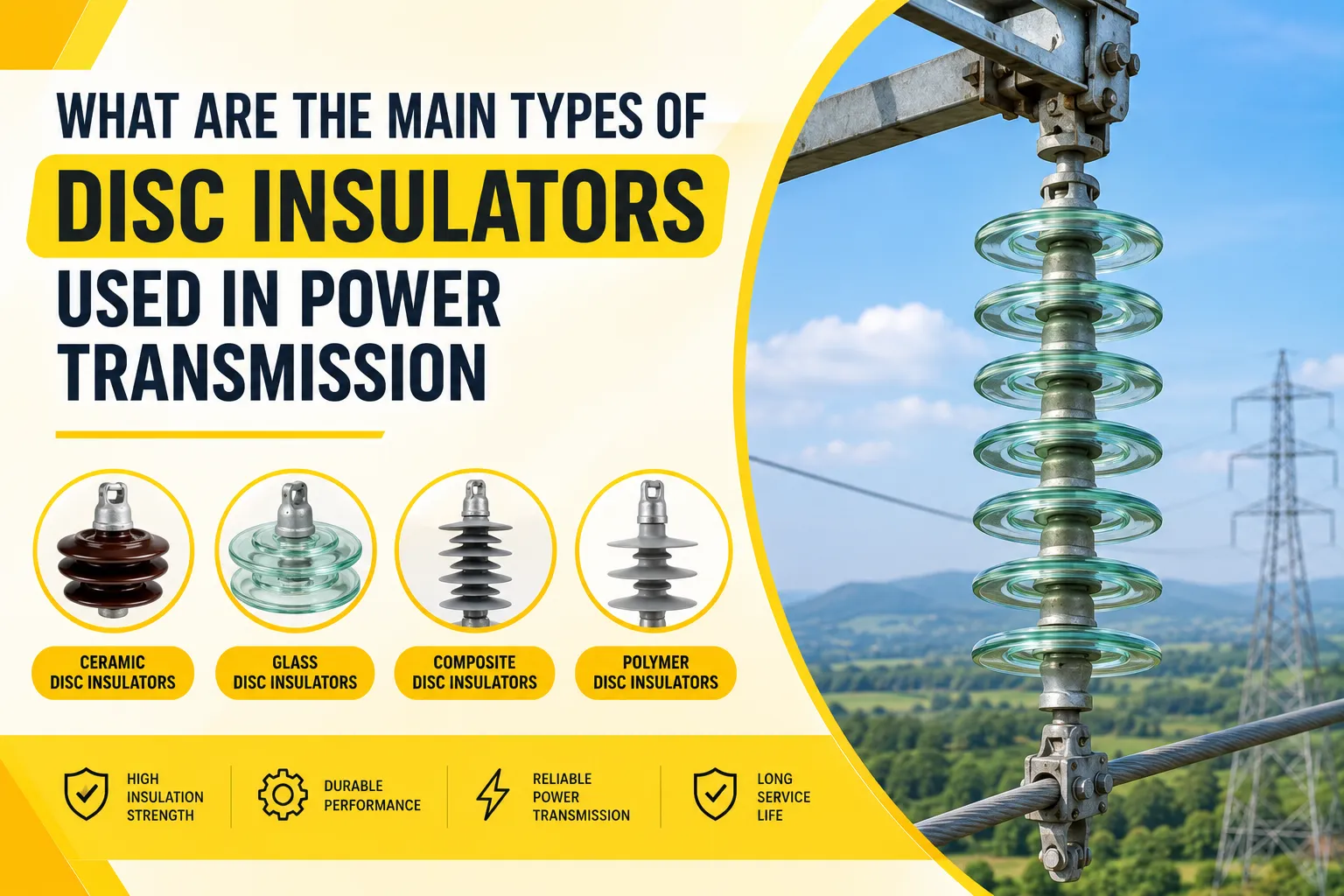
Now, what makes it "polymer"? Traditional isolators use porcelain or glass insulators to provide electrical insulation. Polymer isolator disconnectors use composite insulators made from silicone rubber or other polymer materials. This seemingly simple change brings remarkable benefits that are transforming the industry.
Think of it like the difference between old glass bottles and modern plastic ones—lighter, more durable, and better suited for various conditions. But in this case, we're talking about critical infrastructure that keeps our power systems running safely and reliably.
Why Polymer? The Game-Changing Advantages
The shift to polymer isolator disconnectors in India isn't just a trend—it's driven by real, tangible benefits that make them superior to traditional options in many applications:
Lightweight Design
Polymer insulators are significantly lighter than porcelain equivalents—sometimes up to 90% lighter! This weight reduction has several practical implications:
- Easier Transportation: Lower shipping costs and simpler logistics
- Simpler Installation: Less heavy lifting equipment required
- Reduced Structure Loading: Supporting structures can be lighter and less expensive
- Safer Handling: Reduced risk of injury during installation and maintenance
Superior Mechanical Strength
Don't let the light weight fool you. Polymer insulators are incredibly strong and resistant to mechanical damage. They can withstand impacts that would shatter porcelain insulators. This toughness is especially valuable during transportation and installation.
Excellent Hydrophobic Properties
Here's where polymer really shines. The silicone rubber surface is naturally hydrophobic, meaning water beads up and rolls off rather than forming a continuous film. Why does this matter?
In coastal areas, industrial zones, or places with heavy pollution, contaminants settle on insulator surfaces. When moisture is present, these contaminants can create conductive paths, potentially leading to flashovers. Polymer insulators' hydrophobic nature prevents this, maintaining excellent electrical performance even in contaminated environments.
Vandalism and Breakage Resistance
Unfortunately, vandalism is a real concern in some areas. Porcelain insulators can be easily broken by stones or gunshots. Polymer insulators are much more resilient to such damage, reducing maintenance costs and improving system reliability.
Reduced Maintenance Requirements
The combination of contamination resistance and mechanical toughness means polymer isolators require less frequent cleaning and maintenance compared to traditional insulators. This translates to lower lifecycle costs and fewer service interruptions.
Compact Design Possibilities
Polymer technology enables more compact designs, which is particularly valuable in space-constrained urban substations or when retrofitting existing facilities.
Understanding the Indian Market for Polymer Isolator Disconnectors
India's electrical infrastructure is expanding rapidly, driven by urbanization, industrialization, and the push for universal electrification. This growth, combined with the need to upgrade aging infrastructure, creates significant demand for modern solutions like polymer isolator disconnectors in India.
Why India is Embracing Polymer Technology
Several factors drive adoption in the Indian market:
Diverse Environmental Conditions: India's geography ranges from coastal areas with high salinity to industrial zones with heavy pollution and desert regions with dust storms. Polymer isolators handle all these conditions better than traditional insulators.
Cost Considerations: While initial costs might be comparable, the total lifecycle cost of polymer isolators is often lower due to reduced maintenance and longer service life.
Space Constraints: Urban substations often face space limitations. Compact polymer designs help maximize available space.
Safety Standards: Increasing focus on worker safety makes the lighter, easier-to-handle polymer isolators attractive.
Grid Modernization: As utilities upgrade their networks, they're increasingly choosing modern technologies that offer better performance and reliability.
SPKN India: Leading Polymer Isolator Technology
When discussing polymer isolator disconnectors in India, SPKN India stands out as a company that has embraced this technology and made it accessible to customers across various sectors. Their approach combines international quality standards with local manufacturing expertise.
Quality Manufacturing Standards
SPKN India understands that polymer isolators must meet stringent quality requirements. Their manufacturing processes ensure:
- High-quality silicone rubber materials that maintain hydrophobicity over time
- Precision manufacturing of metallic components
- Proper crimping and assembly techniques
- Rigorous quality control at every production stage
- Comprehensive testing before delivery
Range of Voltage Ratings
Whether you need isolators for 11kV distribution systems or 400kV transmission networks, experienced manufacturers like SPKN India offer comprehensive ranges. This variety ensures you can source all your requirements from a single, trusted supplier.
Customization Capabilities
Every substation and application has unique requirements. SPKN India can customize polymer isolator disconnectors based on:
- Specific voltage and current ratings
- Mounting configurations (vertical, horizontal, or pantograph style)
- Environmental conditions (pollution levels, wind loads, seismic requirements)
- Integration with existing switchgear and systems
Technical Support
Choosing the right isolator involves more than just voltage ratings. SPKN India's technical team helps customers with:
- Selection of appropriate specifications
- Installation guidelines and best practices
- Troubleshooting and maintenance advice
- Performance optimization recommendations
Types of Polymer Isolator Disconnectors
Understanding the different types helps you select the right solution for your application:
Based on Operating Mechanism
Center Break Type: The moving contact breaks in the center, creating two insulating gaps. Common in outdoor substations where space isn't constrained.
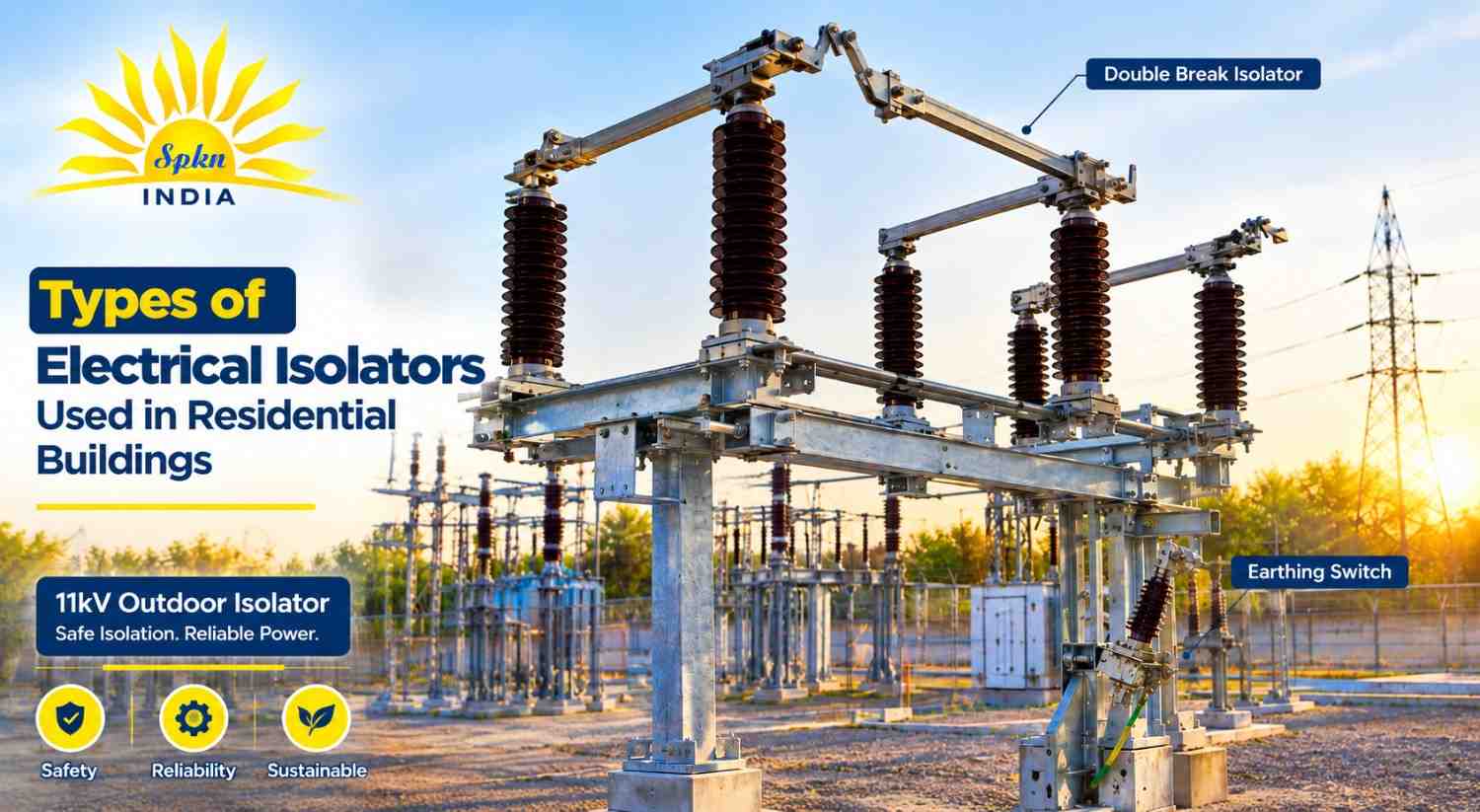
Double Break Type: Features two breaking points for enhanced safety and insulation. Used in higher voltage applications.
Vertical Break Type: The blade moves vertically, making them ideal for space-limited installations.
Pantograph Type: Used in high and extra-high voltage applications, featuring an extensible mechanism that provides large clearance distances.
Based on Voltage Class
- Medium Voltage (11kV - 36kV): Distribution networks and industrial substations
- High Voltage (66kV - 220kV): Transmission substations
- Extra High Voltage (400kV and above): Main transmission networks
Based on Application
- Outdoor Type: Designed for open-air substations with weather-resistant features
- Indoor Type: For GIS (Gas Insulated Switchgear) and indoor installations
- Hybrid Type: Combining features for versatile applications
Key Specifications to Consider
When selecting polymer isolator disconnectors in India, consider these critical specifications:
Electrical Characteristics
- Rated Voltage: Must match your system voltage
- Rated Current: Should handle normal and overload conditions
- Short-Time Current: Ability to withstand fault currents
- Lightning Impulse Withstand Voltage: Protection against lightning strikes
- Power Frequency Withstand Voltage: Insulation strength under normal conditions
Mechanical Characteristics
- Operating Force: Required force to operate the disconnector
- Mechanical Endurance: Number of operating cycles the device can handle
- Ice and Wind Loading: Ability to withstand environmental forces
Environmental Considerations
- Pollution Level: Must suit your installation environment (light, medium, heavy, or very heavy pollution)
- Temperature Range: Operating range for your climate
- Seismic Requirements: If applicable to your region
- Altitude: Derating may be required for high-altitude installations
Installation and Maintenance Best Practices
Even the best polymer isolator disconnectors in India require proper installation and maintenance:
Installation Guidelines
- Follow manufacturer's installation instructions carefully
- Ensure proper foundation and support structure
- Verify clearances meet standards
- Check all connections for tightness
- Perform commissioning tests before energizing
Maintenance Recommendations
While polymer isolators need less maintenance than porcelain types, some basic care ensures optimal performance:
- Visual Inspection: Regular checks for physical damage or unusual discoloration
- Cleaning: Though less frequent than porcelain, periodic cleaning in heavily polluted areas
- Mechanical Operation: Annual operation to ensure smooth movement
- Electrical Testing: Periodic contact resistance and insulation resistance measurements
- Hydrophobicity Check: Verify that water still beads up on the surface
Applications Across Industries
Polymer isolator disconnectors serve various sectors:
Power Utilities: Transmission and distribution networks benefit from reduced maintenance and improved reliability.
Industrial Facilities: Factories, refineries, and manufacturing plants use them in their electrical distribution systems.
Renewable Energy: Solar and wind farms utilize polymer isolators in their power evacuation systems.
Infrastructure Projects: Metro systems, airports, and commercial complexes incorporate them in their electrical infrastructure.
Mining Operations: Harsh environments in mines benefit from polymer insulators' durability.
Railways: Electrified railway systems use them in traction substations.
Comparing Polymer vs. Porcelain: Making the Right Choice
While polymer offers many advantages, understanding when each technology is most appropriate helps you make informed decisions:
Choose Polymer When:
- Operating in polluted or coastal environments
- Weight reduction is important
- Maintenance access is difficult
- Vandalism is a concern
- Space is limited
Consider Porcelain When:
- Operating in extremely high-temperature environments
- Very long proven track record is critical
- Cost is the absolute primary factor
- Traditional designs are specified
For most modern applications, especially in India's diverse environmental conditions, polymer isolator disconnectors in India offer compelling advantages.
Future Trends in Polymer Isolator Technology
The technology continues to evolve:
Smart Monitoring: Integration of sensors for condition monitoring and predictive maintenance.
Enhanced Materials: New polymer formulations for even better performance and longer life.
Compact Designs: Further size reductions for space-constrained installations.
Eco-Friendly Options: Development of more environmentally sustainable materials and processes.
Digital Integration: Compatibility with smart grid technologies and remote operation systems.
Companies like SPKN India stay at the forefront of these developments, ensuring customers benefit from the latest innovations.
Making Your Purchase Decision
When sourcing polymer isolator disconnectors in India, consider:
- Manufacturer Reputation: Track record and customer references
- Quality Certifications: ISO certifications and product compliance
- Technical Support: Availability of engineering assistance
- Warranty Coverage: Terms and support infrastructure
- Delivery Timeline: Realistic schedules and reliability
- Price vs. Value: Total cost of ownership, not just initial price
Conclusion: Embracing Modern Technology
The shift to polymer isolator disconnectors in India represents a significant advancement in electrical infrastructure technology. These devices offer superior performance in India's challenging environmental conditions, require less maintenance, and provide better value over their lifecycle.
Companies like SPKN India are making this technology accessible to utilities, industries, and infrastructure developers across the country. Their commitment to quality manufacturing, technical support, and customer service ensures that customers can confidently make the transition to polymer technology.